Moraceae
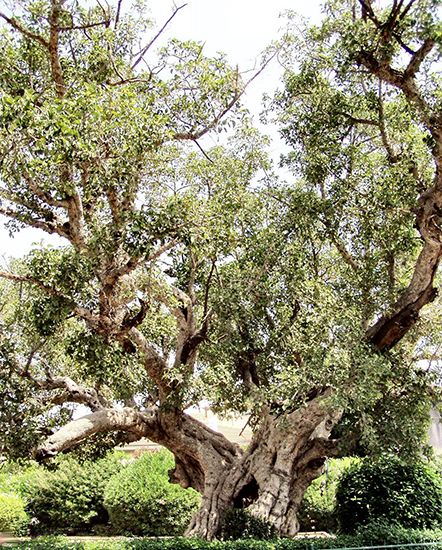
The Moraceae family, commonly known as the mulberry family, consists of approximately 40 genera and 1,000 species of deciduous or evergreen trees and shrubs.…
How are Moraceae plants distributed geographically?
The Moraceae family, commonly known as the mulberry family, consists of approximately 40 genera and 1,000 species of deciduous or evergreen trees and shrubs. These plants are distributed primarily throughout the tropical and subtropical regions of the world.12
While the family is widespread in these warmer climates, specific members have adapted to various environments. For instance, the common fig (Ficus carica) is indigenous to an area stretching from Asiatic Turkey to northern India, though it is now cultivated in warm climates globally and grows as natural seedlings throughout the Mediterranean region.3
It is important to distinguish the Moraceae family from the Moringaceae family (the horseradish tree family), which is a separate group of plants found in Madagascar, parts of Africa, Arabia, and India.4
How many genera and species are included in the Moraceae family?
The Moraceae family, commonly known as the mulberry family, consists of approximately 40 genera and about 1,000 species of deciduous or evergreen trees and shrubs.21
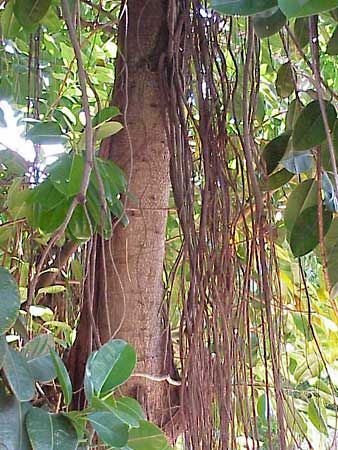
These plants are primarily found in tropical and subtropical regions and are characterized by the presence of milky latex and unique fruits formed by the fusion of multiple flower ovaries. The genus Ficus is the largest within the family, encompassing a wide variety of species including the banyan, fig, and India rubber plant.21
What are the main characteristics of plants in the Moraceae family?
The Moraceae family, or mulberry family, is characterized by several distinct botanical features:
- Physical Composition: These plants are primarily deciduous or evergreen trees and shrubs that contain a milky latex.15
- Foliage: The leaves are arranged in an alternate or opposite pattern.1
- Flowers: The family produces small, petalless flowers that are either male or female. These flowers are diclinous and possess a one-celled ovary.15
- Fruit Structure: A defining characteristic of many species is the formation of multiple fruits, which occur when the fruits from individual flowers join together.1
It is important to note that Moraceae is distinct from the Moringaceae family (the horseradish tree family), which is a separate group of woody plants characterized by compound leaves and explosively dehiscent fruits.4
How have plants from the Moraceae family been used in traditional medicine?
Plants from the Moraceae family have historically been utilized for various purposes, though the provided information focuses primarily on their roles in food, timber, and material production rather than specific medicinal applications.
It is important to clarify that Morinda citrifolia, which is frequently cited for its use in traditional medicine, is a member of the Rubiaceae family, not the Moraceae family. While some Moraceae species, such as the Antiaris toxicaria (upas tree), produce latex used as an arrow poison, and others like the mulberry and fig are valued for their nutritional content, the Britannica knowledge base does not contain specific details regarding the use of Moraceae plants in traditional medicine.16
We could dive deeper into the botanical properties of the Moraceae family or explore the traditional uses of other plant families if you are interested.
Sources
- Moraceae — Encyclopædia Britannica
- list of plants in the family Moraceae — Encyclopædia Britannica
- Fig — Encyclopædia Britannica
- Brassicales - Moringaceae — Encyclopædia Britannica
- Moraceae — Merriam-Webster
- Morinda citrifolia: Top Questions — Encyclopædia Britannica
Published on · 2 min read