Morecambe Bay
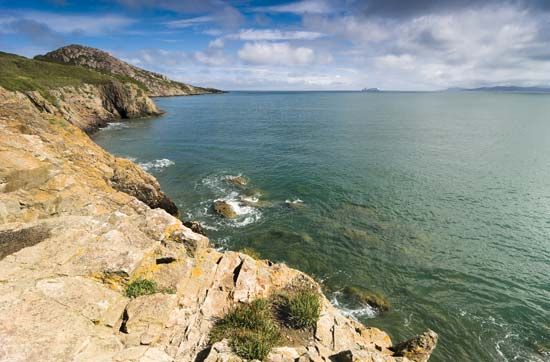
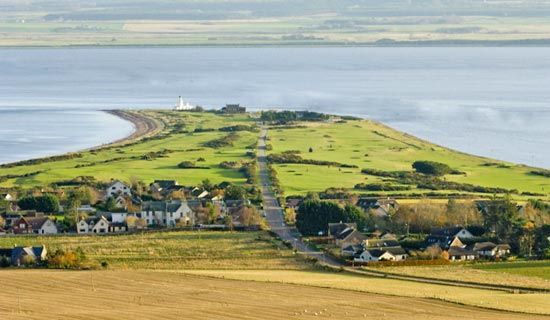
Morecambe Bay is a large inlet of the Irish Sea located on the northwest coast of England. It is situated between the port of Barrow-in-Furness to the north…
What is Morecambe Bay?
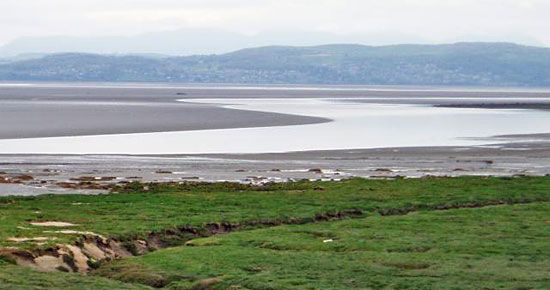
Morecambe Bay is a large inlet of the Irish Sea located on the northwest coast of England. It is situated between the port of Barrow-in-Furness to the north and the towns of Morecambe and Heysham to the south.12
The bay serves as a geographic divider, separating the Furness region—historically part of Lancashire but now within the administrative county of Cumbria—from the rest of Lancashire. Additionally, much of the Lake District massif drains into the bay, making it a significant hydrological feature of the region.1
What are the unique tidal dangers of Morecambe Bay?
How does the Lake District landscape influence the bay’s ecology?
The Lake District landscape significantly influences the ecology of Morecambe Bay primarily through its role as a drainage basin. Because much of the Lake District massif drains into the bay, the region acts as a major conduit for water and materials moving from the uplands to the coast.1
This drainage process transports various sediments—including clay, silt, and sand—into the bay. These materials, along with organic debris and chemical constituents, settle in the bay’s environment, shaping its physical and chemical characteristics. The composition of these sediments is heavily influenced by the geological history of the Lake District, which has been shaped by extensive glacial action that carved out deep valleys and rock basins.34
Furthermore, the interaction between freshwater runoff from the Lake District and the saline waters of the Irish Sea creates a dynamic environment where salinity levels fluctuate. This mixing of fresh and salt water is a critical factor in defining the local ecology, as it creates a brackish barrier that influences the distribution of marine and freshwater organisms.12
What wildlife species are commonly found in the bay’s mudflats?
The provided search results do not contain specific information regarding the wildlife species commonly found in the mudflats of Morecambe Bay. While the materials discuss the general plant and animal life of the United Kingdom and the geography of Morecambe Bay, they do not detail the specific fauna inhabiting the bay’s intertidal mudflats.
Sources
- Morecambe Bay — Encyclopædia Britannica
- Morecambe — Merriam-Webster
- lake - Sediments and sedimentation — Encyclopædia Britannica
- Lake District — Encyclopædia Britannica
- Inland water ecosystem - Saline lakes — Encyclopædia Britannica
- River Eden — Encyclopædia Britannica
- salinity — Encyclopædia Britannica
- United Kingdom - Plant and animal life — Encyclopædia Britannica
Published on · 2 min read