Mortes River
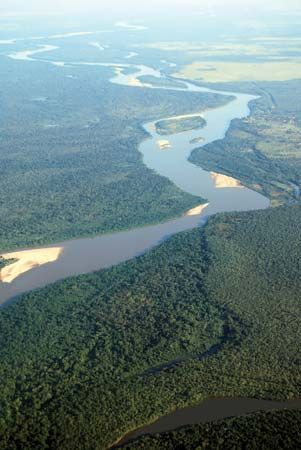
The Mortes River is a river located in central Brazil. It originates east of the city of Cuiabá and flows east-northeastward across the Mato Grosso Plateau.
What is Mortes River?
The Mortes River is a river located in central Brazil. It originates east of the city of Cuiabá and flows east-northeastward across the Mato Grosso Plateau.1
After passing the Roncador Uplands and the town of São Félix, the river shifts to a north-northeastward course before emptying into the Araguaia River, which is a major tributary of the Tocantins River. The Mortes River spans a total length of approximately 500 miles (800 km), and its banks are known for some diamond-washing activity.1
What is the significance of the Araguaia River in Brazil?
The Araguaia River is a significant waterway in central Brazil, rising in the Brazilian Highlands and flowing 1,632 miles (2,627 km) to join the Tocantins River.2 Its importance is defined by several key factors:
- Geographic and Ecological Role: The river drains a vast interior region and features Bananal Island, a massive river island that hosts the National Park of Araguaia. This park serves as a vital protected area for conservation.23
- Economic and Industrial Utility: While the river’s frequent falls and rapids limit its use for waterborne transportation, it has been harnessed for hydroelectric power since the late 20th century to support regional development.24
- Mineral Wealth: The upper course of the Araguaia flows through an area rich in unexploited mineral deposits, including uranium, copper, cobalt, zinc, and diamonds, representing significant potential for the mining sector.2
- Boundary Definition: The river serves as a natural border between several Brazilian states, including Mato Grosso, Goiás, Tocantins, and Pará, playing a role in the political geography of the nation.2
What are the characteristics of the Mato Grosso Plateau?
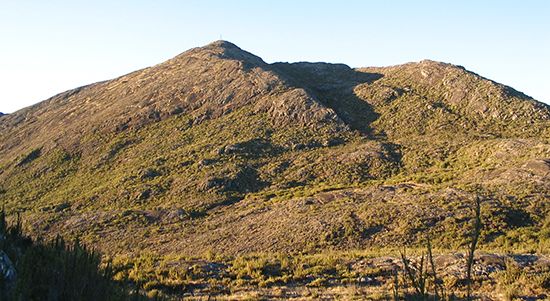
The Mato Grosso Plateau is an ancient erosional plateau situated within the Brazilian Highlands of central Brazil. Its primary characteristics include:78
- Geography and Elevation: Occupying much of the state of Mato Grosso, the plateau reaches an average elevation of approximately 3,000 feet (900 meters) above sea level. It extends from the border of Goiás state westward to the Parecis Mountains.79
- Watershed Function: The plateau serves as a critical divide, separating the Amazon River basin to the north from the Paraguay River basin to the south.79
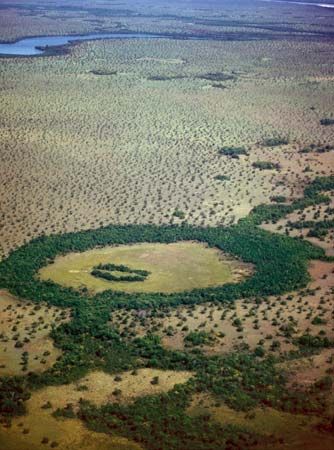
- Climate and Vegetation: The region is characterized by a hot and dry climate, with an average temperature of 79 °F (26 °C) and a distinct dry season from May to September. The landscape is covered by a mixture of savanna grasslands, woodland, and extensive plains known as campos.97
- Economy: Historically explored for gold and diamonds, the plateau’s modern economy is dominated by cattle raising, though mining remains significant in certain areas.79
How do rivers like the Mortes impact the local environment?
The Mortes River is a 500-mile (800 km) waterway in central Brazil that flows across the Mato Grosso Plateau before emptying into the Araguaia River.1
Regarding the environmental impact of the river, the available information is limited to its role in regional geography and human activity. Specifically, the banks of the Mortes River are sites for diamond washing, an activity that involves the extraction of minerals from river sediments. While this practice is a notable human interaction with the river, the provided data does not detail broader ecological consequences or specific environmental impacts on the surrounding landscape.1
Sources
- Mortes River — Encyclopædia Britannica
- Araguaia River — Encyclopædia Britannica
- Brazil - Rivers of Brazil — Encyclopædia Britannica
- Río de la Plata - Resource exploitation — Encyclopædia Britannica
- Brazil - Conservation and ecology — Encyclopædia Britannica
- Paraguaçu River — Encyclopædia Britannica
- Mato Grosso Plateau — Encyclopædia Britannica
- Mato Grosso — Encyclopædia Britannica
- Brazilian Highlands — Encyclopædia Britannica
Published on · 2 min read