Bananal Island
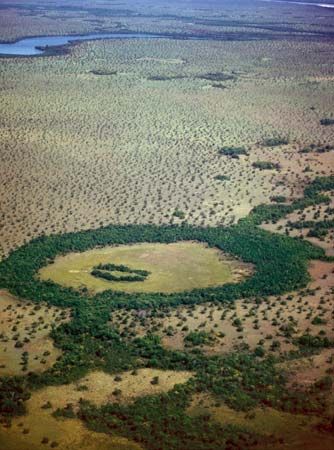
Bananal Island is the largest known inland river island in the world, located in the state of Tocantins in central Brazil.
What is Bananal Island?
Bananal Island is the largest known inland river island in the world, located in the state of Tocantins in central Brazil1.
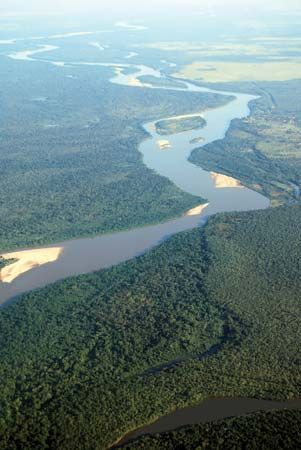
The island is formed by the Araguaia River, which splits into two branches for approximately 200 miles (320 km), with the island situated between them. The major western branch serves as a boundary between the states of Tocantins and Mato Grosso.1
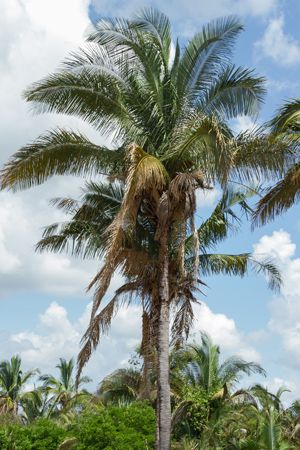
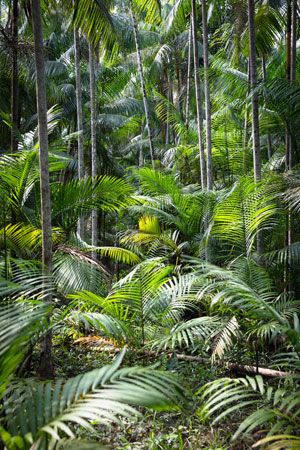
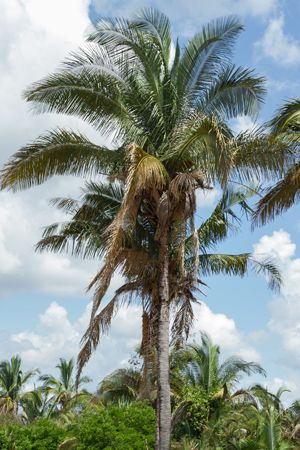
Characterized by its diverse ecosystem, the island is a habitat for babassu palms, tropical birds, and freshwater fish. It is also home to the Suyá people. In 1959, the area was designated as the Araguaia National Park, and it currently serves as a significant destination for ecotourism in the region.1
What makes the Araguaia River unique?
The Araguaia River is a significant waterway in central Brazil that possesses several unique geographical and developmental characteristics:
- Formation of Bananal Island: In its midcourse, the river divides into two distinct channels, creating Bananal Island. Stretching approximately 200 miles (320 km) in length, it is recognized as the largest inland river island in the world and serves as the site of the Araguaia National Park.213
- Navigational Challenges: The river’s course is frequently interrupted by falls and rapids, which significantly limits its utility for waterborne transportation. While the smaller eastern channel around Bananal Island can be navigated by small boats, the major western arm is largely obstructed.21
- Hydroelectric Development: During the late 20th century, the river became a focus for hydroelectric power projects, reflecting its importance as an energy resource for the region.23
- Mineral Wealth: The area surrounding the river’s upper course is notable for its unexploited mineral deposits, including copper, cobalt, zinc, diamonds, and uranium.2
What are some characteristics of the Araguaia National Park?
Araguaia National Park is located on Bananal Island in the state of Tocantins, Brazil. Established in 1959, the park encompasses the entirety of the island, which is formed by the split of the Araguaia River into two branches.124
Key characteristics of the park include:
- Geography: It occupies the world’s largest inland river island, which measures approximately 200 miles (320 km) in length and up to 35 miles (55 km) in width.12
- Biodiversity: The park serves as a habitat for a variety of species, including babassu palms, numerous tropical birds, and diverse freshwater fish.1
- Human Presence: The island is home to the Suyá people, reflecting the park’s role in preserving both ecological and cultural landscapes.1
- Accessibility and Tourism: The area is a recognized destination for ecotourism and includes an airstrip to facilitate access to the region.1
How do indigenous groups like the Suya live on the island?
While the Suyá people are known to inhabit Bananal Island, specific details regarding their unique daily lifestyle on the island are not provided in the available search results.
More broadly, indigenous groups in the tropical forests of South America often employ a mix of hunting, fishing, and slash-and-burn agriculture. These societies typically organize their lives around village structures that reflect their social organization, such as circular village layouts or communal houses known as malocas. Economic life is generally egalitarian, with land managed by the group and resources shared among families. These cultures are highly inventive, utilizing diverse tools for fishing and hunting, and they maintain complex systems of trade and social exchange with neighboring groups.
Sources
- Bananal Island — Encyclopædia Britannica
- Araguaia River — Encyclopædia Britannica
- Brazil - Rivers of Brazil — Encyclopædia Britannica
- Brazil - Conservation and ecology — Encyclopædia Britannica
- South American forest Indian - Economic systems — Encyclopædia Britannica
Published on · 3 min read