Mule
A mule is a hybrid animal created by breeding a male ass (also known as a jackass or jack) with a female horse (a mare).
What is a mule and how is it created?
A mule is a hybrid animal created by breeding a male ass (also known as a jackass or jack) with a female horse (a mare).1
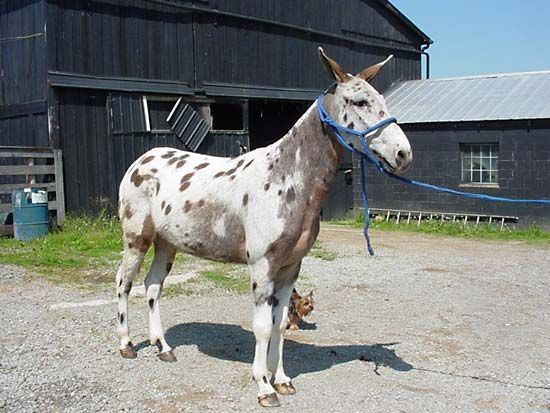
Because they combine the physical traits of both parents, mules are valued as hardy beasts of burden capable of performing work in conditions that are often too severe for other draft animals. While they resemble horses in height and coat uniformity, they inherit the long ears, short thick head, and thin limbs characteristic of an ass. Mules are typically sterile, meaning they cannot reproduce.12
It is important to distinguish the mule from the hinny, which is the result of the less common cross between a female ass and a male horse.1
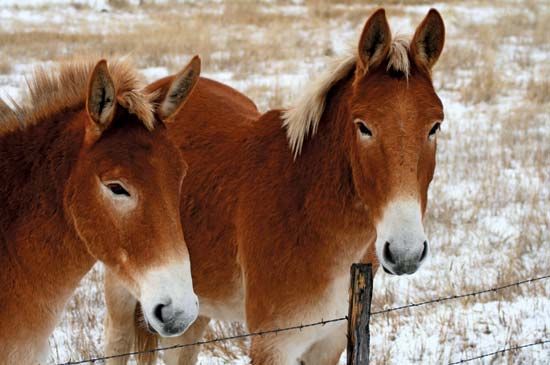
What are the physical characteristics that distinguish mules from horses and donkeys?
Mules are distinct hybrids that exhibit a combination of physical traits inherited from their parents: the horse and the ass (or donkey).12
Physical Distinctions
The mule’s appearance is a blend of these two species, often described by the following characteristics:
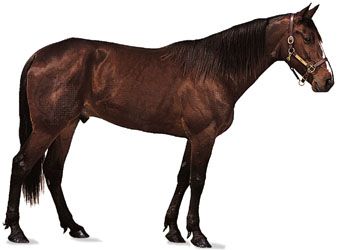
- Resemblance to the Horse: Mules typically inherit the horse’s height, uniformity of coat, and the general shape of the neck and croup.1
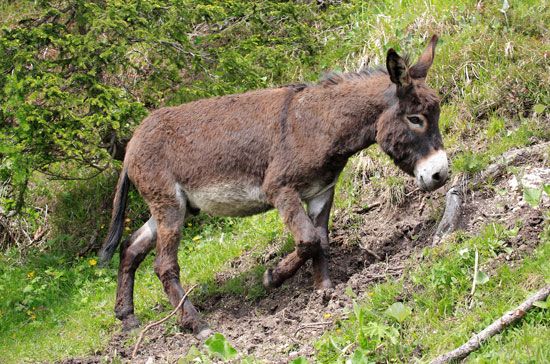
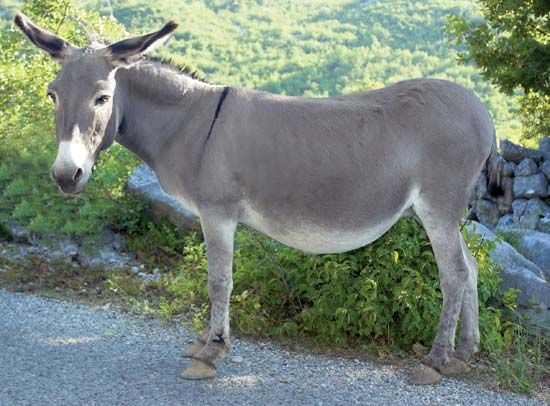
- Resemblance to the Ass: Mules inherit the donkey’s short, thick head, long ears, thin limbs, small hooves, and short mane.1
- Size and Build: Mules range from 12 to 17.5 hands in height and weigh between 275 and 700 kg. They are generally noted for being surer-footed than horses.12
Unlike horses, mules are known for their self-preservation instincts; they typically refuse to overeat or thrash when in cramped or tangled situations. While they are often compared to the hinny—the offspring of a male horse and a female ass—mules are generally larger.21
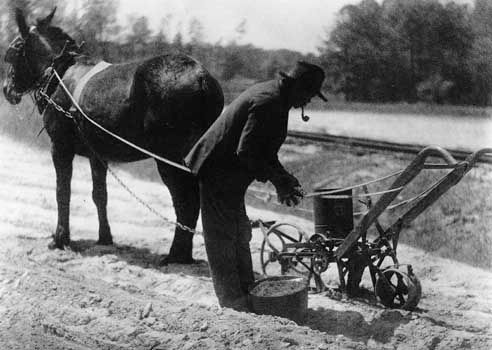
How do mules compare to horses and donkeys in terms of intelligence and behavior?
Mules are often considered more intelligent than horses, a trait that contributes to their reliability as pack animals in precarious terrain. Their behavior is marked by a strong sense of self-preservation, which distinguishes them from horses in several key ways:3
- Self-Preservation: Unlike horses, mules typically refuse to overeat or thrash when they become tangled or find themselves in cramped quarters, helping them avoid self-inflicted injury.3
- Resilience: Mules are noted for their ability to withstand significant stress, including heat, irregular feeding, and harsh treatment.3
- Temperament: While donkeys are sometimes perceived as obstinate, this behavior is often a reaction to neglect or brutal treatment. Naturally, donkeys are patient and persevering, and they respond to gentle care with affection and attachment to their owners.3
Because of their sure-footedness and intelligence, mules remain a preferred choice for navigating difficult landscapes where horses might struggle.3
What is the difference between a mule and a hinny?
The primary difference between a mule and a hinny lies in the parentage of the hybrid animal:
- Mule: The offspring of a male ass (jackass) and a female horse (mare).13
- Hinny: The offspring of a male horse (stallion) and a female ass (jenny).13
While both hybrids are typically sterile, they differ in physical stature. A hinny is generally smaller than a mule. Mules are more commonly bred and utilized as beasts of burden due to their notable strength, sure-footedness, and ability to withstand harsh conditions, whereas the hinny is a less frequent cross.13
Sources
- mule — Encyclopædia Britannica
- mule — Merriam-Webster
- Livestock farming - Donkeys and mules — Encyclopædia Britannica
- mule — Merriam-Webster
- donkey — Encyclopædia Britannica
Published on · 3 min read