Are Donkeys Intelligent?
Donkeys are highly intelligent animals, though they are frequently mischaracterized as stubborn or slow. Their perceived obstinacy is actually a…
Are donkeys intelligent?
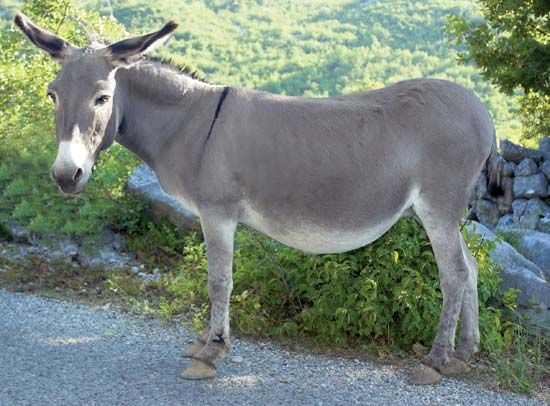
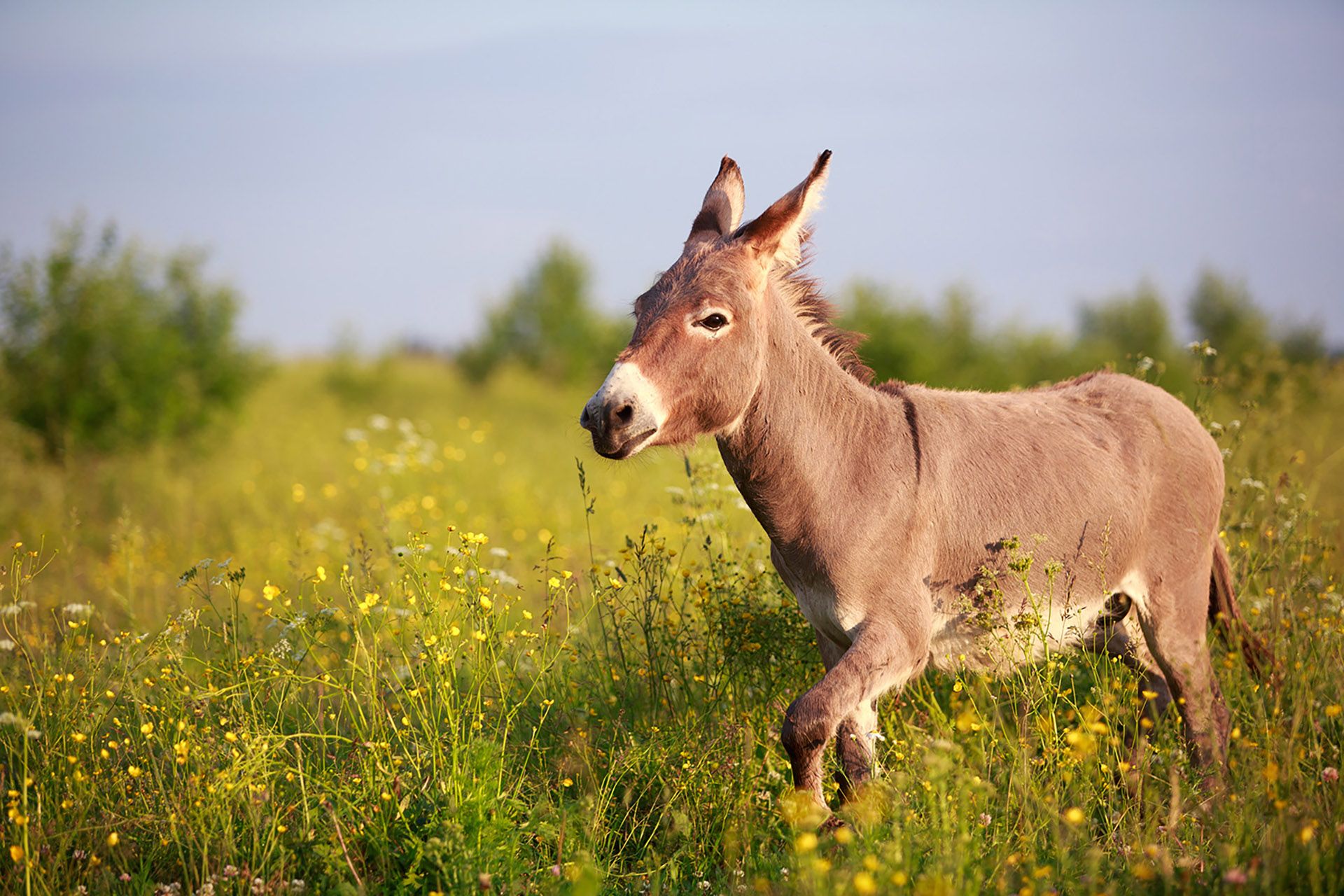
Donkeys are highly intelligent animals, though they are frequently mischaracterized as stubborn or slow. Their perceived obstinacy is actually a manifestation of their survival instinct; rather than reacting impulsively to danger, donkeys pause to assess their surroundings to ensure their safety. This deliberate decision-making process is a clear indicator of their cognitive abilities.1
Donkeys demonstrate intelligence through several key traits:
- Memory: They possess excellent recall for people, places, and events, allowing them to navigate familiar paths and avoid previously encountered hazards.1
- Problem-Solving: They are capable of adapting to new challenges, such as finding water in unknown environments or manipulating objects like gates to access necessities.1
- Emotional Intelligence: They form strong social bonds with their handlers and respond positively to gentle treatment.12
While donkeys are naturally patient and persevering, their behavior is often influenced by their environment. Treating these animals with kindness is essential, as their reputation for “stupidity” is often a direct result of neglect or harsh treatment.12
How does the intelligence of a mule compare to that of a donkey?
Mules are generally considered to be more intelligent than donkeys. While both animals are known for their hardiness and ability to navigate difficult terrain, the mule—a hybrid offspring of a male donkey and a female horse—is frequently noted for its superior cognitive capacity.32
This perceived difference in intelligence is a primary reason why mules are often preferred as saddle and pack mounts in precarious or challenging environments. Beyond their intelligence, mules are recognized for being surer-footed than horses and for possessing a self-preservation instinct that prevents them from overeating or causing themselves harm when in cramped or tangled situations.3
In contrast, while the donkey is often unfairly labeled as “stupid” or “stubborn,” these traits are typically misunderstood reactions to neglect or harsh treatment. Donkeys are naturally patient, persevering, and capable of forming strong, affectionate bonds with their handlers. Their tendency to pause in the face of danger is a calculated survival strategy rather than a lack of intelligence.3
Why are donkeys often mistaken for being stubborn?
Donkeys are frequently mischaracterized as stubborn, but this reputation is largely a misunderstanding of their natural survival instincts. Rather than reacting impulsively to potential threats, donkeys pause to assess their surroundings to ensure their safety. This deliberate, thoughtful approach to decision-making is a sign of their intelligence, not a lack of it.1
Furthermore, what is often perceived as “stupidity” or extreme obstinacy is frequently a reaction to brutal treatment or neglect. When treated with kindness, donkeys are naturally patient, persevering, and capable of forming strong, affectionate bonds with their handlers. Their behavior is a testament to their cognitive ability to prioritize their well-being and learn from past experiences, such as avoiding places where they have previously encountered harm.21
What are the main differences between wild asses and domestic donkeys?
The primary distinction between wild asses and domestic donkeys lies in their lineage and human interaction. The donkey (Equus asinus) is a domesticated descendant of the African wild ass, whereas wild asses—such as the African wild ass and the Asiatic wild ass—are undomesticated species within the family Equidae.742
Key differences include:
- Physical Traits: Wild asses are generally adapted to arid, sparse environments. The Asiatic wild ass, for instance, is characterized by extremely long, slender legs, larger hooves, and shorter ears compared to the donkey. While most asses have a dark stripe from the mane to the tail, the prominent shoulder stripe is a consistent feature of the domestic donkey and the Nubian ass.74
- Behavior: Wild asses are territorial and often live in small family groups or as solitary stallions. In contrast, domestic donkeys have been bred for thousands of years as beasts of burden, valued for their hardiness and ability to work in conditions where horses cannot thrive.742
- Status: Many populations described as “wild” today are often feral donkeys—descendants of escaped or released domestic animals—which can complicate conservation efforts and the identification of true wild species.48
Sources
- Are donkeys intelligent? — Encyclopædia Britannica
- Livestock farming - Donkeys and mules — Encyclopædia Britannica
- mule — Encyclopædia Britannica
- donkey — Encyclopædia Britannica
- 'When Pigs Fly' and Other Barnyard Idioms | As Stubborn as a Mule — Merriam-Webster
- donkeys — Merriam-Webster
- ass — Encyclopædia Britannica
- perissodactyl - Asses — Encyclopædia Britannica
Published on · 3 min read