Do All Donkeys Have a Cross on Their Back?
Not all donkeys have a cross on their back, though it is a common feature for many. The marking consists of a dark stripe running along the spine from the…
Do all donkeys have a cross on their back?
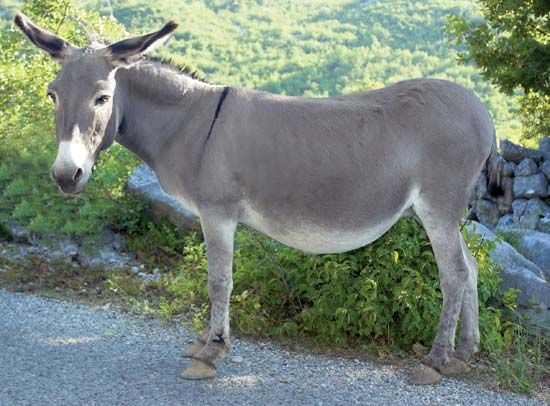
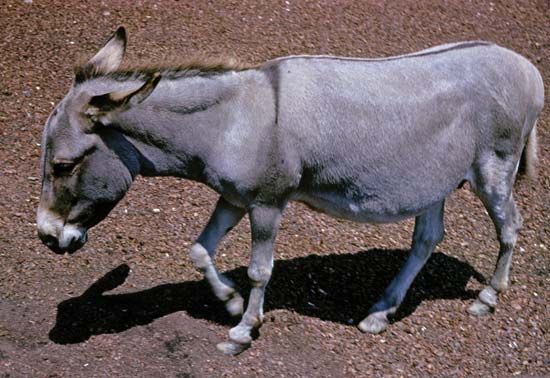
Not all donkeys have a cross on their back, though it is a common feature for many. The marking consists of a dark stripe running along the spine from the mane to the tail, intersected by a perpendicular stripe across the shoulders.1
The visibility of this pattern is largely determined by the animal’s coat color, which can range from white to gray or black. While the cross is often attributed to the species’ genetic makeup, some researchers suggest these markings may have evolved as a form of camouflaging to help the animals blend into their natural environments, similar to the striping seen in horses and zebras.1
Beyond biology, the marking is the subject of various legends. A well-known Christian folktale suggests the cross appeared after a donkey carried Jesus into Jerusalem and later stood by during his Crucifixion, with the shadow of the cross falling upon the animal’s back as a sign of its loyalty and grief.1
How does camouflage help wild donkeys survive?
Camouflage, or concealing coloration, aids wild animals by masking their location, identity, and movement, which helps protect them from predators and avoid recognition by prey. While the provided search results do not explicitly detail the specific survival mechanisms of camouflage in wild donkeys, they note that concealing coloration generally functions through several strategies:
- Background matching: An animal resembles its environment in color, form, or movement to avoid detection.3
- Disruptive coloration: Patterns that do not align with the animal’s body shape or outline, making it difficult for observers to identify or locate the individual.3
- Countershading: A pattern where the upper body is darker than the lower, unilluminated areas, which reduces depth relief and makes the animal appear more uniform against its surroundings.3
In the case of the donkey, which is descended from the African wild ass, these natural colorations and markings may have historically served as a means of blending into arid or rugged habitats.
What is the difference between a donkey and a mule?
A donkey (Equus asinus) is a distinct species belonging to the horse family, descended from the African wild ass. In contrast, a mule is a hybrid animal produced by crossing a male donkey (jackass) with a female horse (mare).24
Key differences include:
- Biological Status: Donkeys are a species, whereas mules are the sterile offspring of two different species.24
- Physical Traits: Donkeys are generally smaller with long ears and a cowlike tail. Mules often exhibit a combination of traits from both parents, typically being more sure-footed and intelligent than horses, while possessing the donkey’s ability to withstand stress and harsh conditions.24
- Terminology: The reverse cross—a stallion mated with a female donkey (jenny)—results in a hinny, which is typically smaller than a mule.2
While donkeys are valued for their hardiness as beasts of burden in arid or mountainous terrain, mules were historically bred for their strength and endurance in various industries, including farming and mining.24
Are there other animals with similar natural coat markings?
Many animals utilize natural coat markings and coloration strategies similar to those found in wild asses and donkeys to survive in their environments. These adaptations generally fall into several categories of concealing coloration:
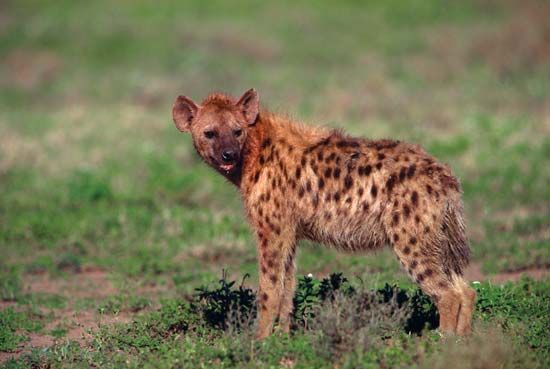
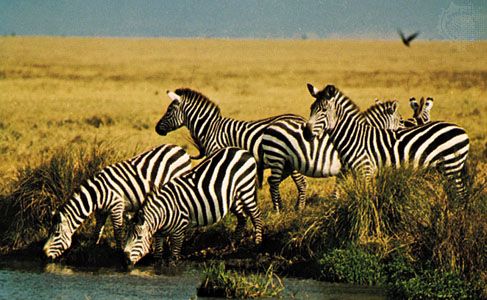
- Disruptive Coloration: Like the stripes of a zebra, which create a dazzling effect to confuse predators like lions and hyenas, many fish use mottled patterns or stripes to break up their body outlines, making it difficult for predators to single out an individual in a group.78
- Countershading: This common strategy involves having a darker upper body and a lighter underside, which reduces the appearance of depth and shadows. It is widespread among vertebrates and helps animals blend into their surroundings by appearing more uniform.910
- Seasonal Color Changes: Some animals, such as Arctic foxes, hares, and ptarmigans, undergo dramatic shifts in their coat or plumage, turning white in winter to match snowy landscapes and brown or gray during warmer months to blend with earth-toned environments.11
Sources
- Do all donkeys have a cross on their back? — Encyclopædia Britannica
- Livestock farming - Donkeys and mules — Encyclopædia Britannica
- concealing coloration — Encyclopædia Britannica
- donkey — Encyclopædia Britannica
- horse - Colour and pattern — Encyclopædia Britannica
- mule — Merriam-Webster
- coloration - Disruptive coloration — Encyclopædia Britannica
- Why do zebras have stripes? — Encyclopædia Britannica
- 7 Animals That Turn White in Winter — Encyclopædia Britannica
- coloration - Countershading — Encyclopædia Britannica
- countershading — Merriam-Webster
- ass — Encyclopædia Britannica
Published on · 3 min read