Mung Bean
The mung bean (Vigna radiata) is an annual legume belonging to the pea family (Fabaceae). Likely native to the Indian subcontinent, this fast-growing plant…
What is Mung bean?
The mung bean (Vigna radiata) is an annual legume belonging to the pea family (Fabaceae). Likely native to the Indian subcontinent, this fast-growing plant is widely cultivated in tropical and subtropical regions for its edible seeds and sprouts.12
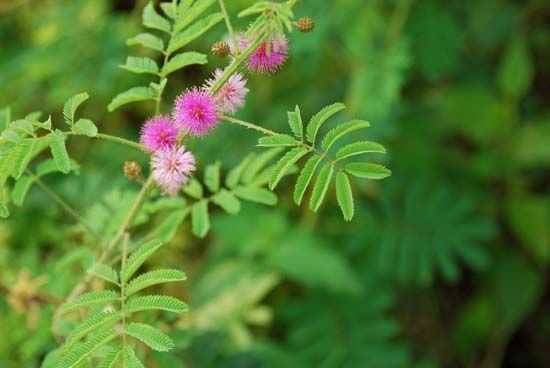
The plant features sturdy stems, compound leaves, and small yellow or greenish flowers. It is highly valued in agriculture as a cover crop and green manure because it enriches the soil through nitrogen-fixing bacteria in its roots.1
Nutritionally, mung beans are a rich source of protein, dietary fibre, and essential minerals. They are versatile in cooking, used in soups, curries, and dal, or processed into flour and noodles. Additionally, their sprouts are commonly consumed raw or cooked in various dishes.12
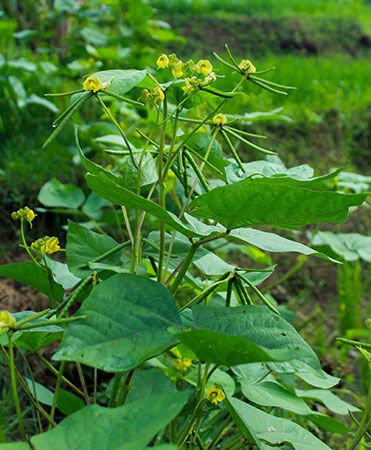
How do mung beans help improve soil health?
Mung beans contribute to soil health primarily through their ability to enrich the earth as a cover crop and green manure.1
The key mechanism behind this benefit is the plant’s symbiotic relationship with nitrogen-fixing bacteria. These bacteria reside in nodules located on the plant’s roots and actively convert atmospheric nitrogen into a form that can be absorbed by plants, thereby increasing the nitrogen content of the soil. Because of this, mung beans are highly valued in agricultural systems for their capacity to naturally improve soil fertility.1
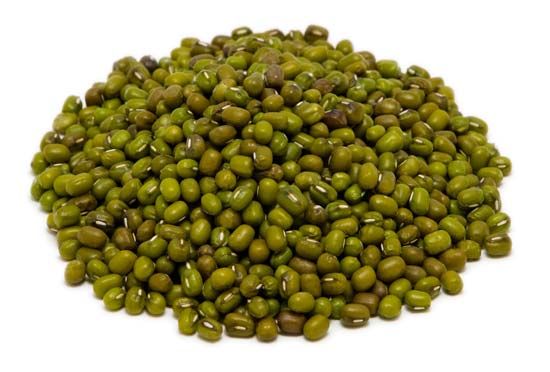
What are the differences between mung bean sprouts and mature beans?
The primary differences between mature mung beans and their sprouts lie in their developmental stage, culinary application, and texture.
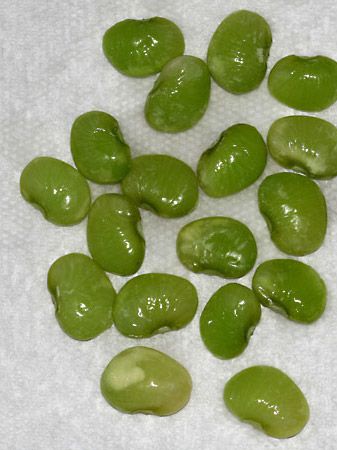
- Mature Beans: These are the fully developed seeds harvested from the plant’s pods once they have matured and darkened. They are dense, high in protein and dietary fibre, and require cooking. They are typically used in curries, soups, or dal, or processed into flour for noodles and bread.1
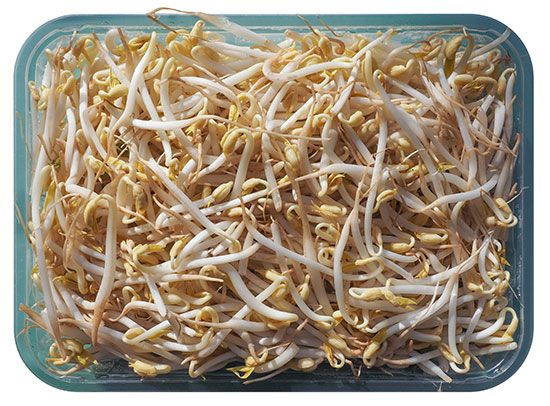
- Mung Bean Sprouts: These are harvested just a few days after the seeds have germinated. Unlike the mature beans, which are often boiled or stewed, sprouts are tender and can be eaten raw or lightly cooked in stir-fries, sandwiches, and soups.1
While both forms are derived from the same legume plant, the mature bean serves as a shelf-stable, nutrient-dense pantry staple, whereas the sprout is treated as a fresh vegetable with a crisp texture.1
How are mung bean noodles made from the seeds?
Mung bean noodles, often called cellophane noodles or bean threads, are produced by extracting the starch from the mung bean seeds.
The process involves isolating the starch from the beans, which is then processed into a dough or slurry. This mixture is typically extruded into thin strands and dried. Because they are made from bean starch rather than wheat or rice flour, these noodles are naturally translucent and have a distinct, firm texture when cooked. They are highly valued in various cuisines for their ability to absorb the flavors of the broths, sauces, or stir-fry ingredients they are cooked with.
Sources
- Mung bean — Encyclopædia Britannica
- mung bean — Merriam-Webster
- cellophane noodle — Merriam-Webster
Published on · 2 min read