Murzuk
Murzuk is an oasis located in southwestern Libya, situated on the northern edge of the Murzuk Sand Sea.
What is Murzuk?
Murzuk is an oasis located in southwestern Libya, situated on the northern edge of the Murzuk Sand Sea.1
Historically, it served as a vital assembly point for caravans traveling toward Lake Chad and the Niger River. Between the 16th and 19th centuries, it functioned as the capital of the Fezzan province and became a significant center for the slave and arms trade. Known as the “Paris of the Desert,” the town provided a base for notable explorers such as Friederich Konrad Hornemann and Gustav Nachtigal.1
Following the decline of traditional caravan routes, the town’s prominence waned. Today, it remains a local trade center linked to Sabhā, featuring historical sites like an old Turkish fort and an Italian fort currently used as a police station.1
What is the significance of the Fezzan region in Libyan history?
The Fezzan region has played a pivotal role in Libyan history as a strategic crossroads and a distinct administrative province. Historically, it was the territory of the Garamantes, a civilization conquered by the Romans in 19 BCE and incorporated into the Roman Empire as Phazania.2
Following the Arab conquest in 666 CE, the region was integrated into the Islamic world and governed by various Arab and native dynasties before being annexed by the Ottoman Empire in 1842. During the 19th century, the Sanūsīyah religious brotherhood exerted significant influence across the region.2
Economically and culturally, Fezzan served as a vital hub for trans-Saharan trade. Its traditional capital, Murzuk, functioned as a major center for the slave and arms trade and a base for European explorers. In 1912, Fezzan was amalgamated with Cyrenaica and Tripolitania under Italian rule, eventually becoming one of the three provinces of the United Kingdom of Libya upon its independence in 1951.12
How did the trans-Saharan caravan trade shape desert cities?
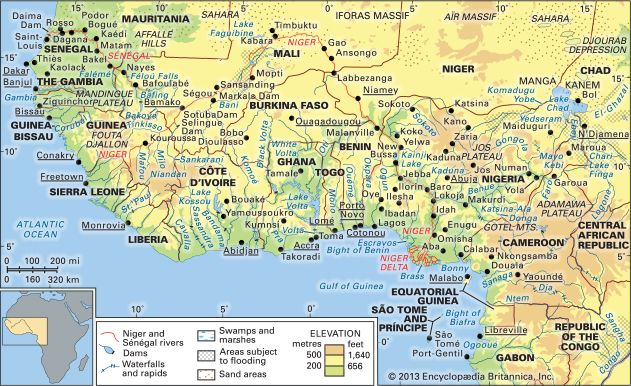
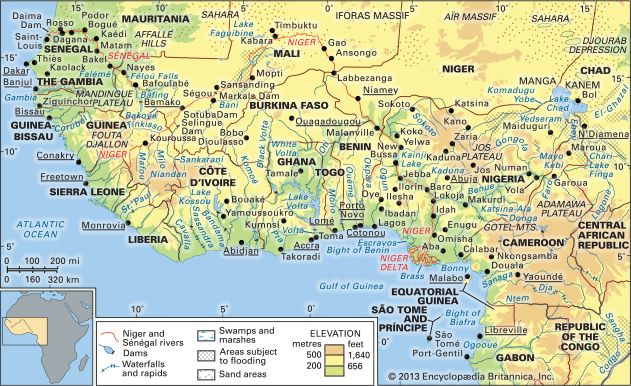
The trans-Saharan caravan trade was a fundamental driver of urbanization, economic growth, and political development across the desert and its southern fringes. By linking the Mediterranean world with the bilād al-sūdān (the territory of the Black peoples south of the Sahara), these routes transformed isolated settlements into thriving commercial and intellectual hubs.34
Economic and Political Impact
The exchange of high-value commodities—notably gold, ivory, slaves, and salt—provided the wealth necessary for local rulers to consolidate power. Kings taxed this trade, using the revenue to maintain military forces and administrative hierarchies, which in turn allowed them to expand their territories and secure further trade routes. This commercial activity stimulated internal trade and the growth of monarchical governments in kingdoms such as Ghana and Kanem.34
Urban Development
Cities like Timbuktu and Djenné flourished as meeting points between desert nomads and agricultural societies. These cities became centers of Islamic culture and scholarship, attracting merchants and scholars from across North Africa. Architecture in these regions, such as the distinctive Sudanese style featuring mud walls and wooden frameworks, evolved to support these growing urban populations and facilitate maintenance in the harsh desert environment.567
What are the unique geographical features of the Murzuk Sand Sea?
The Murzuk Sand Sea, also known as the Idhān Murzuk, is a vast erg located in the southwestern Fezzan region of Libya. As a major component of the Saharan plateau, it represents a significant portion of the country’s sand desert.19
The unique geographical features of this area include:
- Mobile Sand Dunes: The region is characterized by extensive fields of shifting, mobile sand dunes that can reach heights of up to 300 feet (90 metres).9
- Basin Topography: Like other ergs, the Murzuk Sand Sea is situated within a large basin, a landscape often formed where ancient rivers once deposited alluvium.10
- Oasis Settlements: The northern edge of the sand sea is home to oases, such as the town of Murzuk, which historically served as a vital assembly point for trans-Saharan caravan routes.1
- Arid Environment: The area is part of a broader landscape of “unmitigated sandy waste,” where low rainfall and wind-driven sand accumulation create a challenging environment for travel and habitation.10119
Sources
- Murzuk — Encyclopædia Britannica
- Fezzan — Encyclopædia Britannica
- Sahara - Transportation — Encyclopædia Britannica
- Western Africa - Muslims in western Africa — Encyclopædia Britannica
- Mali: Top Questions — Encyclopædia Britannica
- Timbuktu — Encyclopædia Britannica
- Mali - Settlement patterns — Encyclopædia Britannica
- El- Oued — Encyclopædia Britannica
- erg — Encyclopædia Britannica
- sand dune — Encyclopædia Britannica
- Libya - Relief — Encyclopædia Britannica
Published on · 3 min read