Mýkonos
Mýkonos is a rugged island located in the southeastern Aegean Sea and is part of the eastern Cyclades group in Greece. It is situated near the island of…
What is the geographical location and size of Mykonos island?
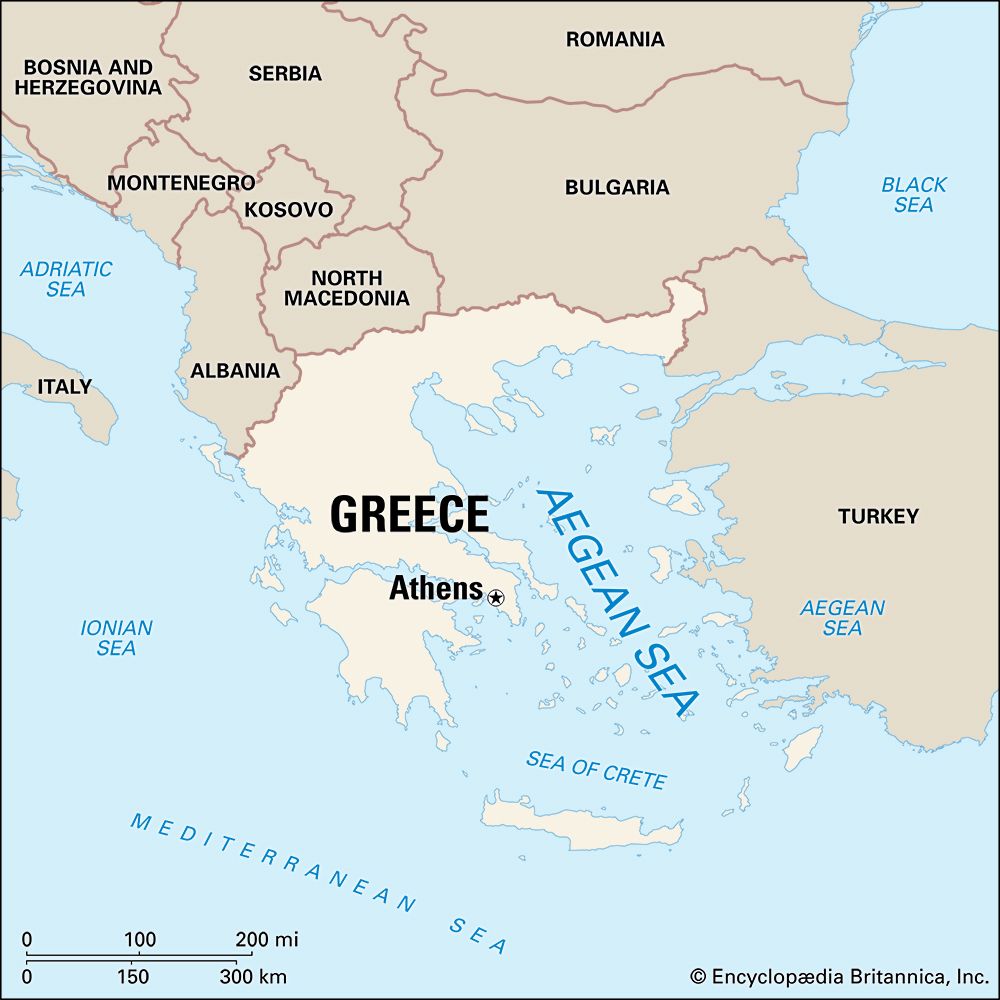
Mýkonos is a rugged island located in the southeastern Aegean Sea and is part of the eastern Cyclades group in Greece. It is situated near the island of Delos, positioned between Tínos to the northwest and Náxos and Páros to the south.1
Regarding its size, sources provide slightly varying measurements:
- Britannica reports the island covers an area of approximately 33 square miles (85 square km).1
- Other records indicate an area of 35 square miles (91 square km).2
The island is characterized by its granite terrain and limited agricultural capacity, with tourism serving as its primary economic activity.1
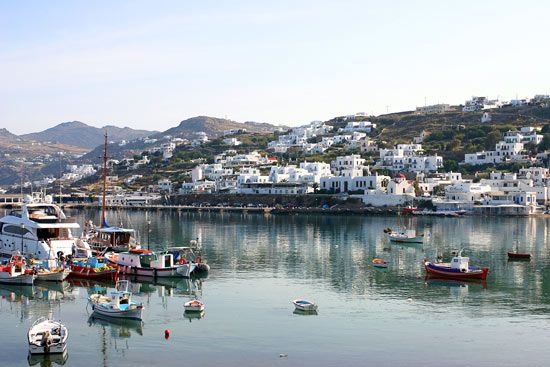
What are the main attractions and landmarks on Mykonos island?
Mykonos is home to a variety of cultural and architectural landmarks that reflect its rich history and maritime traditions. Key attractions include:
- Church of Paraportiani: This Rococo-style structure is the island’s main church. It is uniquely composed of four chapels featuring curved vaults and colorful cupolas located near the seashore.1
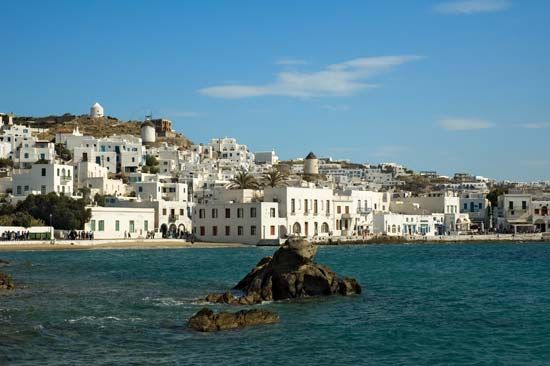
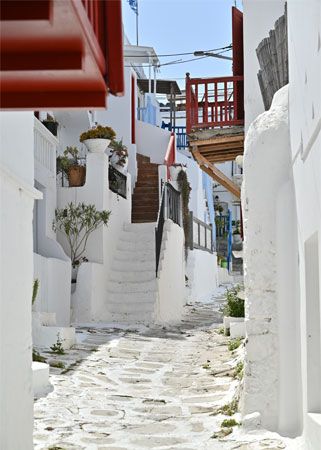
- Venetia (Little Venice): A picturesque line of historic houses characterized by their distinctive wooden balconies overlooking the water.1
- Windmills: Situated on a prominent hill, these iconic structures are among the most recognizable architectural features of the island.1
- Tria Pighadia (Three Wells): A historic site consisting of three wells that serve as a notable landmark.1
- Religious Heritage: Beyond the main church, the island features approximately 360 smaller churches, many of which were built by sailors and their families to fulfill vows made during storms at sea.1
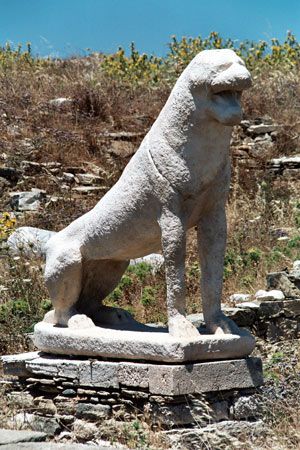
- Delos: Mykonos serves as the primary departure point for the sacred island of Delos, a major archaeological site.1
What are some traditional Mykonian dishes and local specialties?
Mykonos is known for its limited agricultural output due to poor soil and water scarcity, which has historically influenced its local culinary offerings. The island’s most famous local specialty is:
- Amygdalota: These are traditional almond cookies that are well-known throughout Greece as a signature treat from the island.1
While the island’s primary crops are limited to barley, grapes, and figs, its culinary identity is often tied to these traditional sweets rather than large-scale agricultural production. Beyond food, the island is also celebrated for its artisanal crafts, including handwoven garments, napkins, and rugs, which are considered local specialties alongside its culinary delights.1
How did Mykonos get its name, and what is its significance in Greek mythology?
According to Greek mythology, the island of Mykonos is said to be the piece of rock that Heracles threw to destroy the Giants during their battle for supremacy, known as the Gigantomachy.2
Regarding the origin of its name, the provided search results do not contain information explaining how the island specifically received the name “Mykonos.” The name is a variation of the Modern Greek Mýkonos and is historically associated with the Cyclades island group in the Aegean Sea2.2
Sources
- Mýkonos — Encyclopædia Britannica
- Mykonos — Merriam-Webster
- Athena - Role in the Gigantomachy — Encyclopædia Britannica
Published on · 2 min read