Narcissus
In Greek mythology, Narcissus was the son of the river god Cephissus and the nymph Liriope, celebrated for his extraordinary beauty. He is best known for his…
What is Narcissus?
In Greek mythology, Narcissus was the son of the river god Cephissus and the nymph Liriope, celebrated for his extraordinary beauty. He is best known for his rejection of those who loved him, including the nymph Echo, which ultimately led to his downfall.123
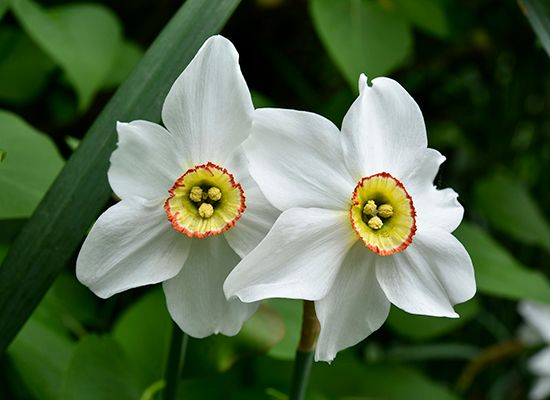
As punishment for his pride and cruelty, the goddess Nemesis caused Narcissus to fall in love with his own reflection in a pool of water. He eventually pined away or took his own life, and a flower—the narcissus—sprang up where he died.12
The name carries several meanings today:
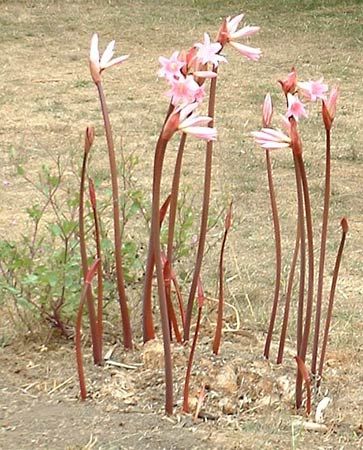
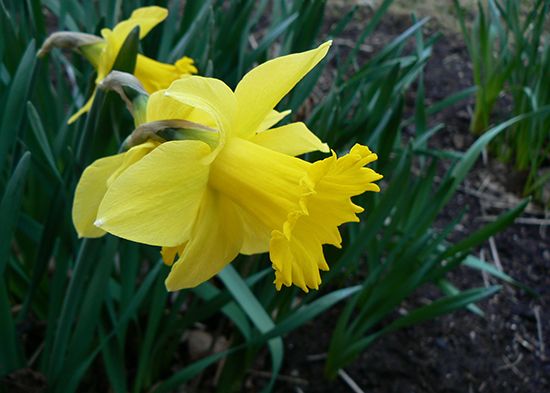
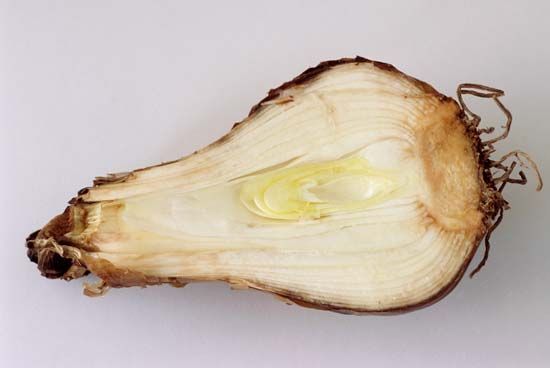
- Botany: Narcissus is a genus of plants in the amaryllis family, which includes daffodils.2
- Psychology: In psychoanalysis, narcissism refers to an inflated self-image or excessive self-involvement, often viewed as a form of emotional immaturity.12
Why did the goddess Hera punish the nymph Echo?
In Greek mythology, the goddess Hera punished the mountain nymph Echo for her role in deceiving the goddess. According to Ovid’s Metamorphoses, Echo intentionally kept Hera engaged in long conversations to prevent her from discovering one of Zeus’s extramarital affairs.3
As retribution for this interference, Hera stripped Echo of her ability to speak freely. Thereafter, Echo was cursed to only repeat the final words spoken by others. This punishment left her unable to express her own feelings, eventually leading to her tragic, unrequited love for Narcissus, which caused her to fade away until only her voice remained.32
What is the difference between the mythological Narcissus and the psychological term narcissism?
The distinction between the mythological figure Narcissus and the psychological term narcissism lies in the difference between an ancient narrative archetype and a modern clinical diagnosis.
The Mythological Narcissus
In Greek mythology, Narcissus is a specific character—the son of a river god and a nymph—distinguished by his extraordinary beauty and his rejection of those who loved him, such as the nymph Echo. His story is a classic tale of metamorphosis: as punishment for his pride, he was cursed to fall in love with his own reflection in a pool. He eventually perished, and a flower, the narcissus, grew where he died.21
The Psychological Term Narcissism
In psychology and psychoanalysis, narcissism refers to a personality trait or a mental disorder characterized by an inflated self-image, grandiosity, and a constant need for admiration. While the term is named after the mythological figure, it describes a complex behavioral pattern where individuals may exploit others to maintain their self-esteem and often struggle with impaired empathy. Unlike the myth, which focuses on a singular tragic event, clinical narcissism is viewed as a stable, long-term pattern of interpersonal functioning.26
Are there other examples of metamorphosis in Greek mythology?
Metamorphosis is a recurring theme in Greek mythology, often serving as a mechanism for divine punishment, protection, or the consequence of tragic pride. These transformations are famously chronicled in Ovid’s Metamorphoses.89
Common examples include:
- Protection: To escape the unwanted pursuit of Apollo, the nymph Daphne was transformed into a laurel tree. Similarly, Zeus turned his lover Io into a white heifer to shield her from the wrath of Hera.10911
- Punishment: Arachne was turned into a spider by Athena after challenging the goddess to a weaving contest. Actaeon was transformed into a stag after accidentally seeing Artemis bathing, and Midas was cursed with ass’s ears for failing to appreciate Apollo’s musical superiority.121391411
- Pride and Tragedy: Narcissus was changed into a flower after falling in love with his own reflection.9
Additionally, gods frequently assumed animal forms—such as bulls or swans—to deceive mortals, though these were temporary disguises rather than permanent transformations.11
Sources
- Narcissus — Encyclopædia Britannica
- Narcissus: Top Questions — Encyclopædia Britannica
- Echo — Encyclopædia Britannica
- narcissistic — Merriam-Webster
- Echo — Merriam-Webster
- narcissism — Merriam-Webster
- narcissism — Encyclopædia Britannica
- Did you know? — Merriam-Webster
- Daphne — Encyclopædia Britannica
- Midas — Encyclopædia Britannica
- Arachne — Encyclopædia Britannica
- Athena - Punishment of Arachne — Encyclopædia Britannica
- Metamorphoses — Encyclopædia Britannica
- Greek mythology - Myths involving animal transformations — Encyclopædia Britannica
- Greek mythology - Other types — Encyclopædia Britannica
- Ovid - Legacy of Ovid — Encyclopædia Britannica
Published on · 3 min read