Spider
The life cycle of a typical spider begins when a female deposits eggs into a protective silk egg sac. Depending on the species, the female may abandon the…
What is the life cycle of a typical spider, from egg to adult?
The life cycle of a typical spider begins when a female deposits eggs into a protective silk egg sac. Depending on the species, the female may abandon the sac, guard it, or carry it with her.12
Upon hatching, spiderlings are generally independent, though some species exhibit parental care, such as wolf spiderlings riding on their mother’s back. Young spiders resemble adults but possess undeveloped reproductive organs. Because their exoskeleton does not grow, they must molt—shedding their old skin—to increase in size. This process is hazardous, as the spider is vulnerable until its new cuticle hardens.132
The number of molts varies by species and sex; males typically mature faster and undergo fewer molts than females. While some spiders reach maturity in a few weeks, others may take years, often overwintering in an immature stage. Many spiderlings eventually disperse by ballooning. Most spiders live for one or two years, though some species, such as tarantulas, can live significantly longer.3214
What are some of the most common types of spiders found around the world?
With over 51,500 species described, spiders are found on every continent except Antarctica and occupy diverse habitats ranging from high-altitude mountains to aquatic environments. While there are approximately 132 families, several groups are particularly notable for their prevalence or unique behaviors:5678
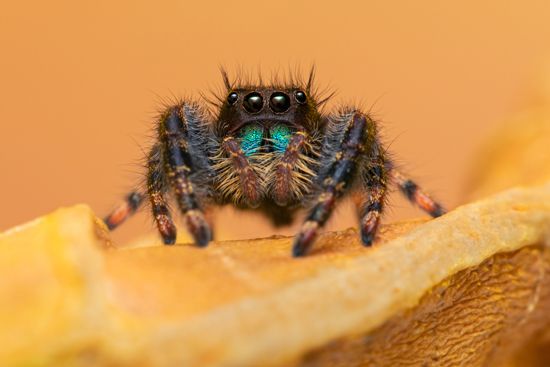
- Jumping spiders (Salticidae): The largest spider family, these active hunters possess excellent vision and stalk their prey during daylight hours.6
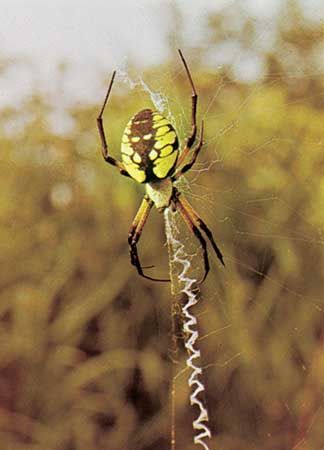
- Orb weavers (Araneidae): Famous for constructing intricate, circular webs, these spiders are widespread and include common species like the garden spider5.6
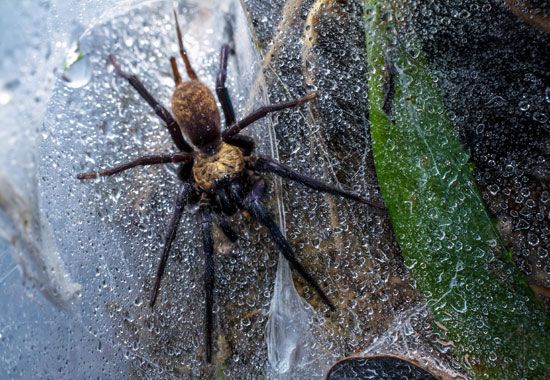
- Wolf spiders (Lycosidae): These ground-dwelling hunters are known for their maternal care; females often carry their egg sacs attached to their spinnerets and transport their young on their abdomens.6
- Comb-footed spiders (Theridiidae): This family includes the black widow, known for its potent venom, and others that use a specialized comb on their hind legs to wrap prey in silk.569
- Crab spiders (Thomisidae): Often found on flowers, these spiders are known for their ability to wait for prey and, in some species, change color to blend into their surroundings.56
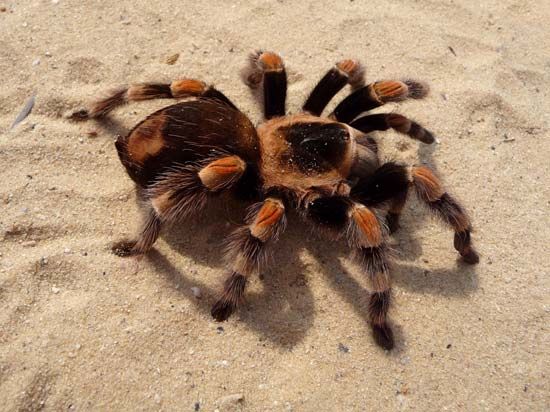
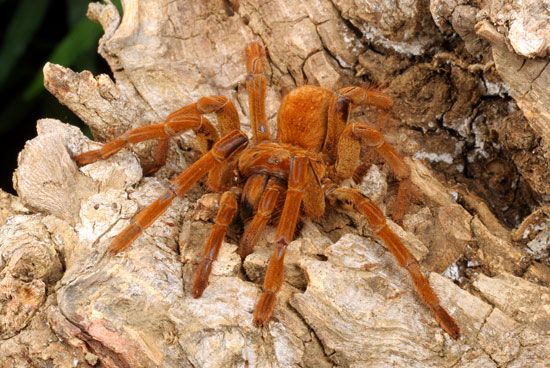
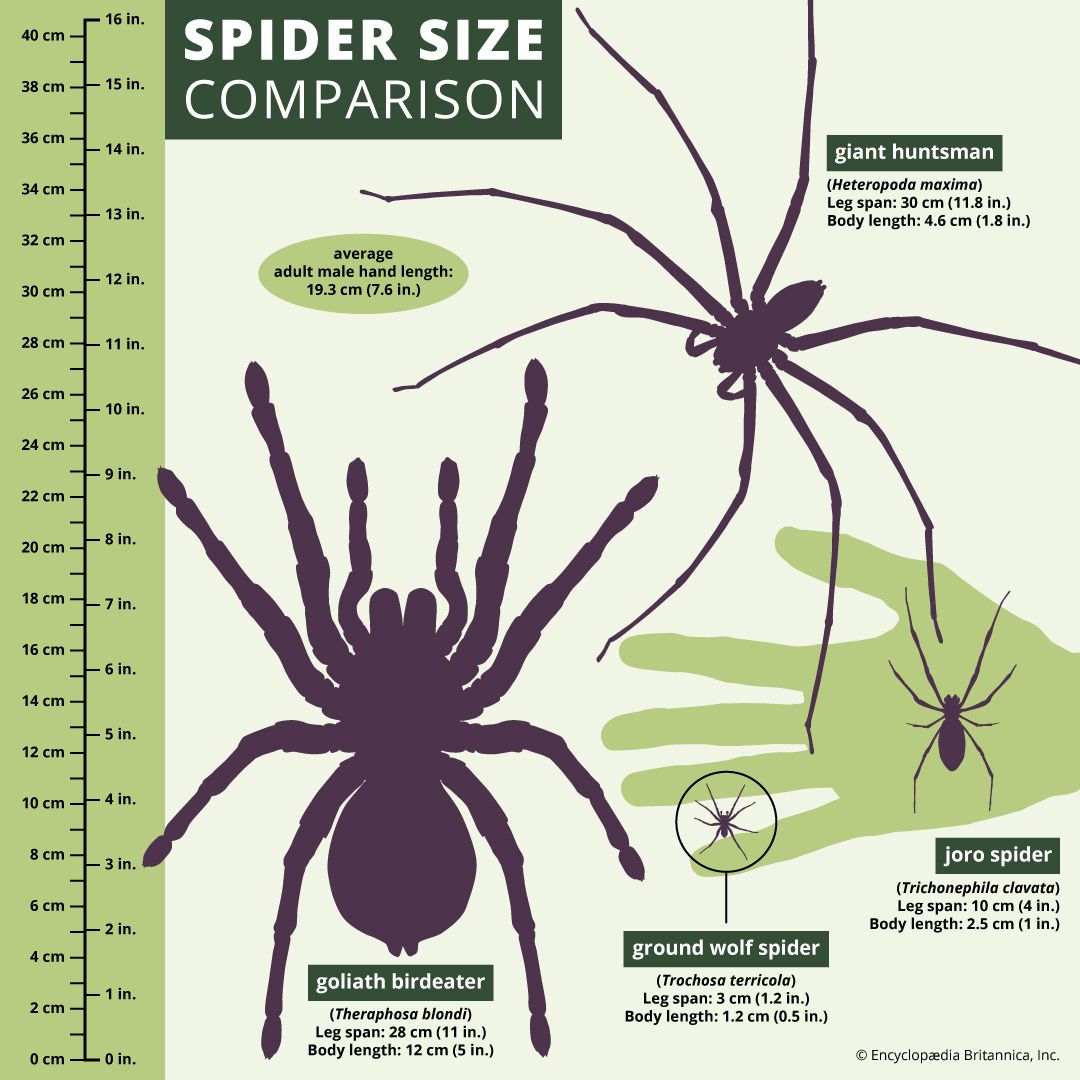
- Tarantulas (Theraphosidae): These large, hairy, and long-lived spiders are primarily found in warm climates and are well-known for their size, which includes the massive goliath birdeater.5610
How do spiders defend themselves against predators?
Spiders have evolved a variety of sophisticated strategies to defend themselves against predators, ranging from physical combat and chemical deterrents to behavioral adaptations.
Physical and Chemical Defenses
- Venom: While primarily used for subduing prey, the venom of some spiders can also serve as a deterrent against vertebrate predators.7
- Defensive Hairs: Certain species of tarantulas possess specialized abdominal hairs with tiny barbs. When threatened, they can “throw” these hairs, which penetrate the skin or mucous membranes of a predator, causing intense itching and allergic reactions.12
- Autotomy: Some spiders, along with other arachnids like daddy longlegs, practice autotomy, the ability to voluntarily shed a limb if it is grasped by a predator, allowing the spider to escape.1314
Behavioral and Evolutionary Adaptations
- Mimicry: Some spiders, such as the jumping ant spider, have evolved to resemble other animals that predators typically avoid. By mimicking the appearance and movement of ants—which are often protected by their aggressive colony behavior and formic acid—these spiders significantly reduce their risk of being eaten.15
- Warning Coloration: Certain species, such as widow spiders, display conspicuous markings, like a red hourglass, to signal their toxicity to potential threats.7
How do spiders produce silk, and what are its various uses?
Spiders are unique in the animal kingdom as true silk specialists. This material is composed of proteins called fibroin, which are produced by specialized glands located in the abdomen.20
Production Mechanism
Silk is forced through ducts and exits the body via spinnerets, which are modified appendages. While primitive spiders possess only two types of glands, more complex species like orb weavers have at least seven, each producing a distinct type of silk for specific purposes, such as draglines, prey wrapping, or egg protection. The silk typically solidifies upon exiting the spigot or due to tension forces.20
Various Uses
Spiders utilize silk for a wide array of survival functions:
- Prey Capture: Many species build intricate webs to entrap insects. Others use silk for specialized hunting, such as constructing silk-lined trap-door tubes, creating “trip threads” to detect vibrations, or even casting nets of silk over prey.1714
- Reproduction: Silk is essential for creating protective egg sacs, which shield developing eggs from the environment. Males also use silk to create surfaces for sperm induction.120
- Mobility and Safety: Spiders produce “draglines” that act as safety lines, and they use silk threads to travel via wind, a process known as ballooning.2014
Sources
- spider - Eggs and egg sacs — Encyclopædia Britannica
- spider - Maturation — Encyclopædia Britannica
- arachnid - Reproduction and life cycle — Encyclopædia Britannica
- spider: Top Questions — Encyclopædia Britannica
- list of spiders — Encyclopædia Britannica
- spider - Annotated classification — Encyclopædia Britannica
- spider - Importance — Encyclopædia Britannica
- 9 of the World’s Deadliest Spiders — Encyclopædia Britannica
- house spider — Merriam-Webster
- spider - Size range — Encyclopædia Britannica
- spider - Distribution — Encyclopædia Britannica
- Nine Incredible Jumping Spiders - Jumping ant spider: A masterful mimic — Encyclopædia Britannica
- spider - Venom — Encyclopædia Britannica
- spider - Spiderwebs — Encyclopædia Britannica
- Autotomy — Encyclopædia Britannica
- spider — Encyclopædia Britannica
- spider - Stalking prey — Encyclopædia Britannica
- Reproductive behaviour - Arachnids — Encyclopædia Britannica
- daddy longlegs: Top Questions — Encyclopædia Britannica
- spider - Silk — Encyclopædia Britannica
Published on · 4 min read