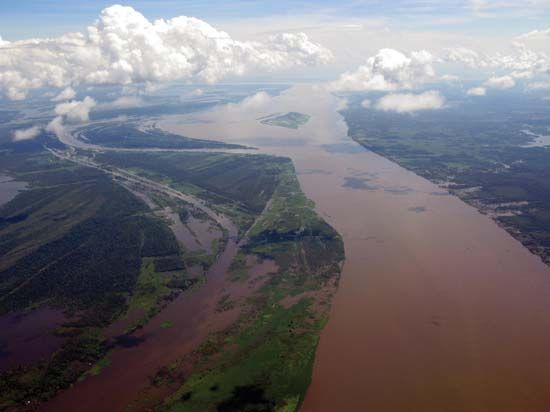
Negro River
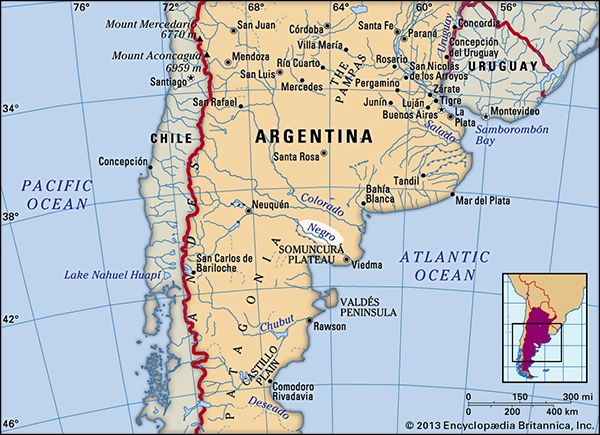
There are two distinct rivers in South America named the Negro River. It is important to distinguish between them to avoid confusion:
What is the length of the Negro River, and how does it compare to other major rivers in South America?
There are two distinct rivers in South America named the Negro River. It is important to distinguish between them to avoid confusion:
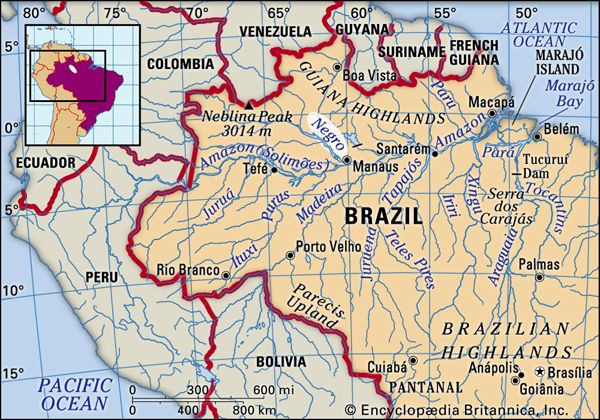
- Negro River (Amazon Tributary): This major Amazon River tributary is approximately 1,400 miles (2,250 km) long. It is the largest of all Amazon tributaries, accounting for about one-fifth of the Amazon’s total discharge. In comparison to other major South American rivers, it is shorter than the Paraná River (3,032 miles), the Orinoco River (1,700 miles), and the Paraguay River (1,584 miles), but it remains a vital transportation artery and a significant hydrological feature of the continent.123
- Negro River (Uruguay): This river, located in Uruguay, is approximately 500 miles (800 km) long. It is significantly shorter than the major continental drainage systems and is primarily utilized for hydroelectric power through a series of dams.43
What are some of the major cities or settlements along the Negro River?
Settlements along the two major rivers named Negro in South America vary significantly in size and character.
Negro River (Amazon Tributary)
Settlement along this river is generally sparse, as it flows primarily through remote rainforest regions. Key locations include:1
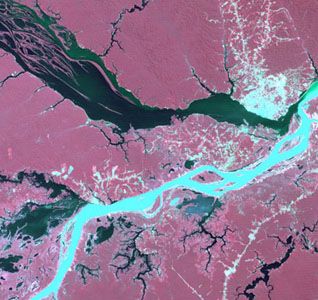
- Manaus, Brazil: Located at the confluence of the Negro and Solimões rivers, this is the most significant urban center on the river and serves as a major hub for the Amazon region.1
- San Carlos de Río Negro, Venezuela: Situated near the junction with the Casiquiare canal, this is a notable settlement in the upper reaches of the river system.1
Negro River (Uruguay)
This river features more concentrated human activity, particularly related to energy production and agriculture. Key locations include:2
- Paso de los Toros, Uruguay: A town located near the Rincón del Bonete Reservoir, which is a major site for hydroelectric infrastructure.2
- Mercedes, Uruguay: A city situated in the lower reaches of the river, downstream from the major dams.2
- Soriano, Uruguay: Located at the river’s confluence with the Uruguay River.2
Are there any significant human-made structures, such as dams or bridges, along the Negro River?
Significant human-made structures are primarily concentrated on the Negro River in Uruguay, where the river has been extensively developed for energy production.
Dams and Reservoirs in Uruguay
The Uruguayan Negro River is heavily dammed to provide hydroelectric power for the country. The major structures include:
- Rincón del Bonete Dam: Located near Paso de los Toros, this dam creates the Rincón del Bonete Reservoir (also known as the Gabriel Terra or Rio Negro Reservoir). Covering 413 square miles (1,070 square km), it is one of the largest artificial lakes in South America.2
- Baygorria Dam: Situated downstream from the Rincón del Bonete, this facility is a key component of the river’s hydroelectric infrastructure.2
- Palmar Dam: Located further downstream, this is the third major dam on the river, contributing to the regional power supply.2
In contrast, the Negro River that serves as a major tributary to the Amazon River remains largely free of major dams, functioning primarily as a natural transportation artery through the rainforest.1
What are the unique characteristics of the Negro River’s water, and why is it called ‘black water’?
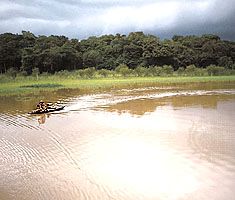
The Negro River is distinguished by its unique “black water,” a characteristic that gives the river its name. This dark, jet-black appearance is primarily the result of two factors:
- Decomposition of Organic Matter: The water contains high levels of humic acids, which are released during the decomposition of vegetation in the marginal swamps and forests through which the river flows.12
- Low Silt Content: Unlike “whitewater” rivers that carry heavy sediment loads from the Andes, the Negro originates in nutrient-poor, sandy uplands. Because it carries little to no silt or dissolved solids, the water remains clear despite its dark color.12
These black waters contrast sharply with the silt-laden, yellowish waters of other tributaries and the main Amazon River. When the Negro meets the Amazon at Manaus, the two water types do not mix immediately, creating a striking color boundary where the warmer, sediment-free black water is often overrun by the heavier, turbid waters of the Amazon.12
Sources
- Negro River — Encyclopædia Britannica
- Negro River — Encyclopædia Britannica
- South America - Rivers of South America — Encyclopædia Britannica
- Amazon River - Physiography of the river course — Encyclopædia Britannica
- Río de la Plata - Physiography of the Uruguay basin — Encyclopædia Britannica
- Río de la Plata - The people of the Río de la Plata — Encyclopædia Britannica
Published on · 3 min read