Neoglaziovia
Neoglaziovia is a genus of perennial herbs belonging to the pineapple family (Bromeliaceae). Native to Brazil, the genus consists of two species…
What is Neoglaziovia?
Neoglaziovia is a genus of perennial herbs belonging to the pineapple family (Bromeliaceae). Native to Brazil, the genus consists of two species characterized by their purple flowers.1
One notable species, N. variegata, is a reedlike plant that can grow leaves up to 1.2 meters (4 feet) in length. These leaves are the source of a durable fiber known as caroa, which is harvested for the production of rope, fabric, netting, and various packing materials.1
What are some other plants in the Bromeliaceae family?
The Bromeliaceae family, commonly known as the pineapple family, encompasses approximately 56 genera and 3,000 species of perennial flowering plants. These plants are primarily native to the tropical New World and the West Indies, often growing as epiphytes on trees or as terrestrial plants.23
Some notable genera and species within this family include:
- Aechmea: Includes species like A. magdalenae, which is used for its fibers.23
- Ananas: The genus containing the common pineapple (A. comosus).23
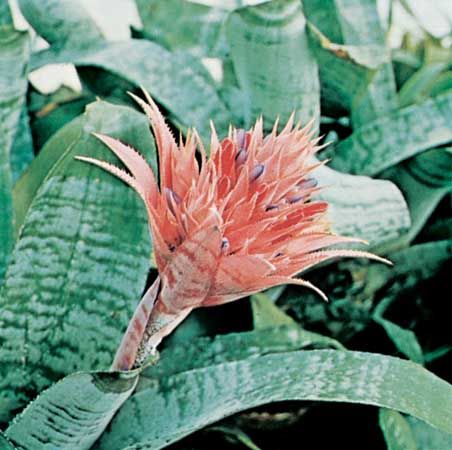
- Billbergia: A genus of bromeliads often grown for their ornamental foliage and flowers.2
- Brocchinia: Includes rare carnivorous species such as B. reducta and B. hectioides.3
- Catopsis: Another genus containing carnivorous species, specifically C. berteroniana.3
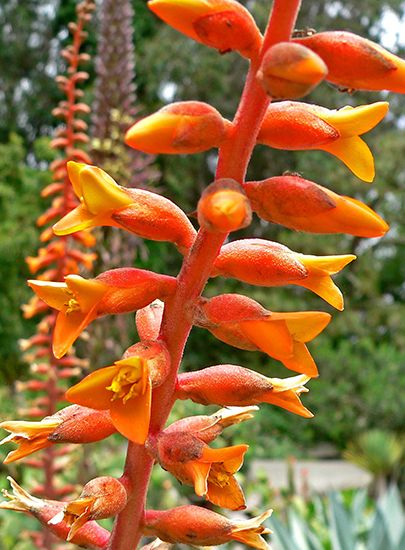
- Dyckia: A genus of terrestrial bromeliads.2
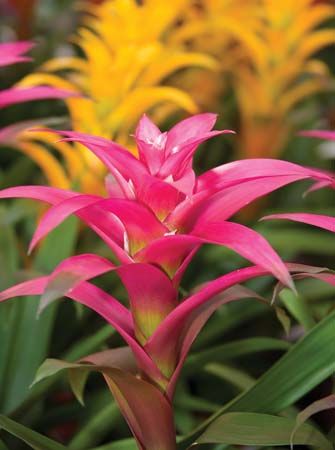
- Guzmania: Popularly cultivated as indoor ornamentals.2
- Puya: Includes the giant P. raimondii, which can reach heights of over 10 meters.23
- Tillandsia: Known for “air plants” and Spanish moss (T. usneoides).23
How is caroa fiber processed for industrial use?
Sorry, the Britannica knowledge base does not contain specific information regarding the industrial processing methods for caroa fiber. While it is known that the silky, resistant leaves of Neoglaziovia variegata are harvested for the local production of cordage, coarse cloth, and paper, the technical details of how these fibers are extracted or processed are not provided in the available sources.45
What are the environmental conditions in Brazil where these plants grow?
The caroa plant (Neoglaziovia variegata) is native to the dry interior of northeastern Brazil, a region characterized by a specific type of vegetation known as the Caatinga (or white forest).56
The environmental conditions in this region include:
- Aridity: The Caatinga is a dry environment where vegetation must be able to resist prolonged periods of drought.5
- Vegetation Structure: The landscape is defined by stunted, sparse, and often thorny plant life. While trees in this area may remain leafless for long periods to conserve moisture, the undergrowth is frequently composed of thickets, cacti, and bromeliads, the family to which caroa belongs.5
- Topography: These plants are particularly characteristic of the basin of the São Francisco River, where they thrive alongside other drought-resistant species.5
In areas where water availability is higher, the vegetation can grow significantly taller, reaching heights of up to 9 meters (30 feet) and forming dense, impenetrable thickets.5
Sources
- Neoglaziovia — Encyclopædia Britannica
- list of plants in the family Bromeliaceae — Encyclopædia Britannica
- Bromeliaceae — Encyclopædia Britannica
- cotton - Cotton fiber processing — Encyclopædia Britannica
- caroa — Merriam-Webster
- South America - Caatinga — Encyclopædia Britannica
Published on · 2 min read