Neva River
The Neva River is a significant waterway located in the Leningrad oblast of northwestern Russia. It flows for approximately 46 miles (74 km) from Lake Ladoga…
What is Neva River?
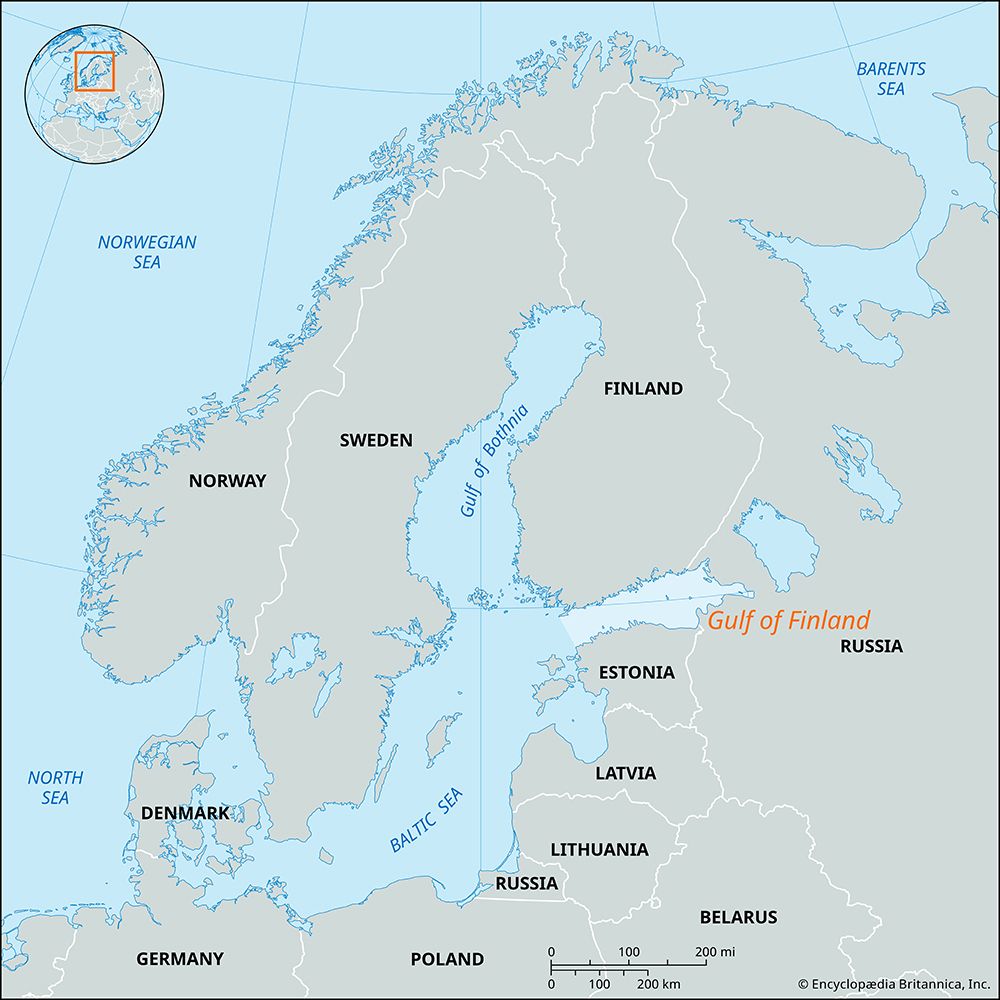
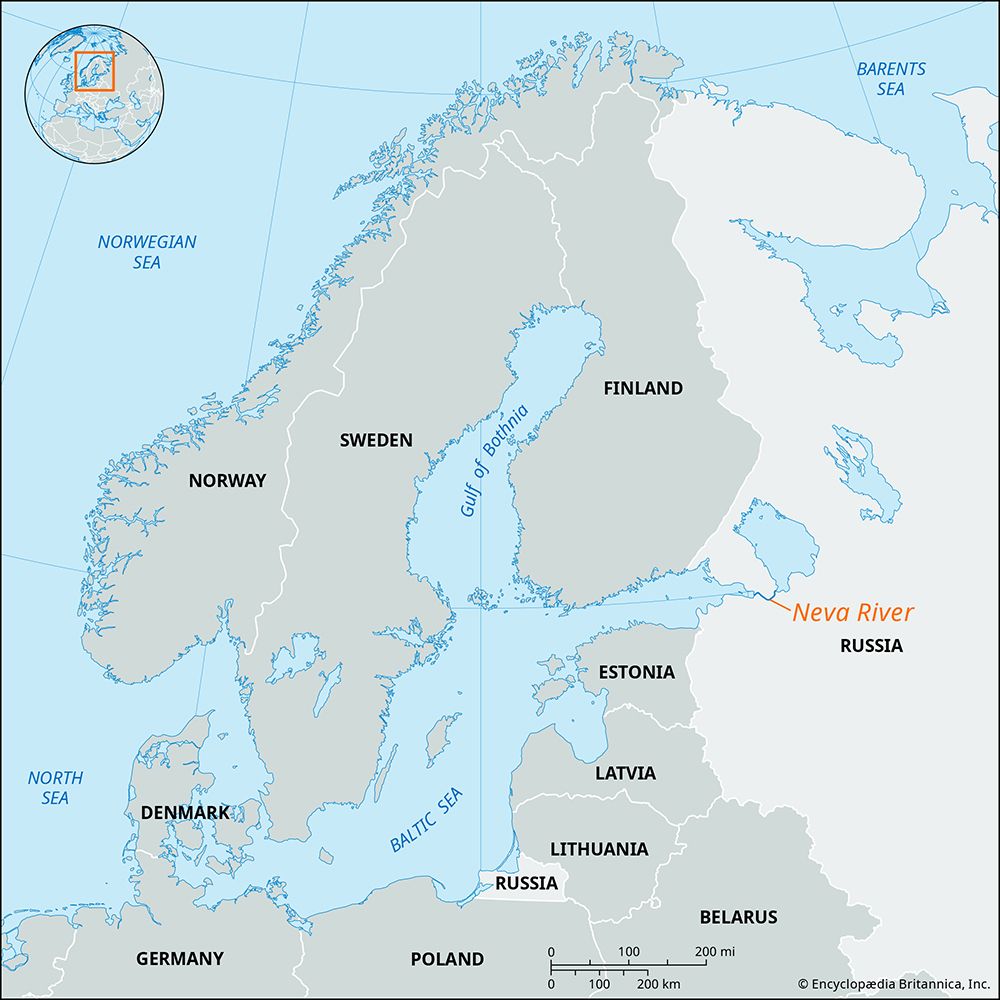
The Neva River is a significant waterway located in the Leningrad oblast of northwestern Russia. It flows for approximately 46 miles (74 km) from Lake Ladoga at Shlisselburg westward to the Gulf of Finland in the Baltic Sea.1
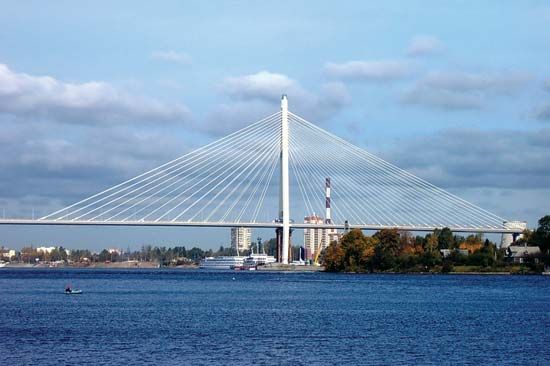
The river is vital for navigation, serving as a key component of the Volga-Baltic and White Sea–Baltic waterways. It is perhaps most famous for its connection to St. Petersburg, which is situated at the river’s mouth. The Neva’s network of tributaries and canals is integral to the city’s identity, earning St. Petersburg the nickname “Venice of the North”. During the summer “White Nights,” the bridges spanning the river are raised nightly to accommodate maritime traffic. The river typically experiences a freeze-up period lasting from early December to late April.12
Why is Saint Petersburg called the Venice of the North?
St. Petersburg, located in northwestern Russia, is famously nicknamed the “Venice of the North” primarily due to its extensive network of waterways.45
The city’s landscape is defined by the Neva River and its numerous distributaries and canals, which are inseparable from its urban panorama. These waterways divide the central part of the city into several sections, including the Admiralty Side, Vasilyevsky Island, and the Petrograd Side.64
The nickname reflects several key features:
- Waterways and Canals: The city was built with a system of canals, originally cut through the marshy land for drainage, which, combined with the river channels, created a unique aquatic layout.34
- Bridges: The city features numerous bridges spanning these canals and river channels, which are essential to the city’s infrastructure and character.34
- Architectural Integration: Many of the city’s most renowned architectural landmarks are situated directly along the historic embankments of the Neva, mirroring the way buildings in Venice are integrated with its canals.4
What are the White Nights in Saint Petersburg?
The “White Nights” are a celebrated natural phenomenon in St. Petersburg occurring annually from June 11 to July 2. Due to the city’s extreme northerly latitude, the sun does not fully set, resulting in extended daylight that lasts for nearly 19 hours.3
This period is a significant cultural highlight for the city, marked by various festivities and artistic events. Notable celebrations include festivals hosted by the Mariinsky Theatre, the Hermitage Museum, and the Rimsky-Korsakov St. Petersburg State Conservatory.3
Beyond the cultural programming, the White Nights are characterized by the nightly raising of the bridges spanning the Neva River. This operation allows maritime traffic to pass through the city’s waterways, creating a distinct visual experience that has become synonymous with the city’s identity.3
How does Lake Ladoga connect to the Neva River?
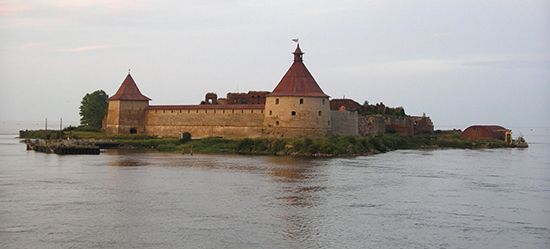
The Neva River serves as the primary outlet for Lake Ladoga, originating from the lake at the town of Shlisselburg. From this point, the river flows westward for approximately 46 miles (74 km) before emptying into the Gulf of Finland in the Baltic Sea.1
This connection is a vital component of the Volga-Baltic Waterway, a major navigation system that links the Volga River to the Baltic Sea. As part of this route, vessels travel through the Svir River into Lake Ladoga, navigate via the Novoladozhsky Canal, and then enter the Neva River to reach St. Petersburg.9
Sources
- Neva River — Encyclopædia Britannica
- Neva — Merriam-Webster
- St. Petersburg - Character of the city — Encyclopædia Britannica
- St. Petersburg: Top Questions — Encyclopædia Britannica
- St. Petersburg - City layout — Encyclopædia Britannica
- St. Petersburg - Foundation and early growth — Encyclopædia Britannica
- St. Petersburg — Encyclopædia Britannica
- St. Petersburg — Encyclopædia Britannica
- Lake Ladoga — Encyclopædia Britannica
- Volga-Baltic Waterway — Encyclopædia Britannica
Published on · 3 min read