Gulf of Finland
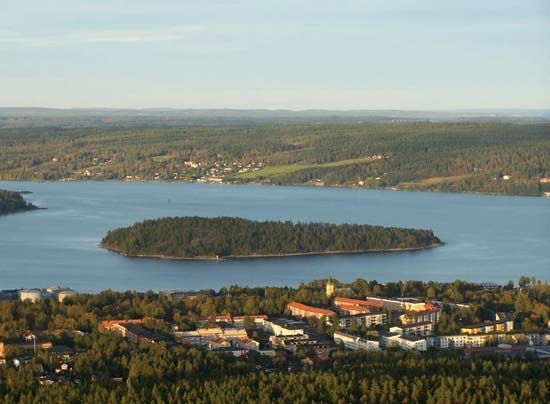
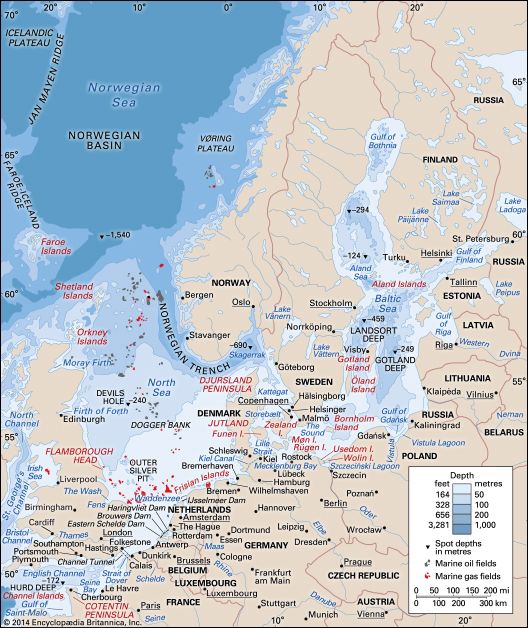
The Gulf of Finland, an eastern arm of the Baltic Sea, serves as a vital maritime corridor connecting Finland, Russia, and Estonia. Several major cities and…
What are some of the major ports and cities located along the Gulf of Finland?
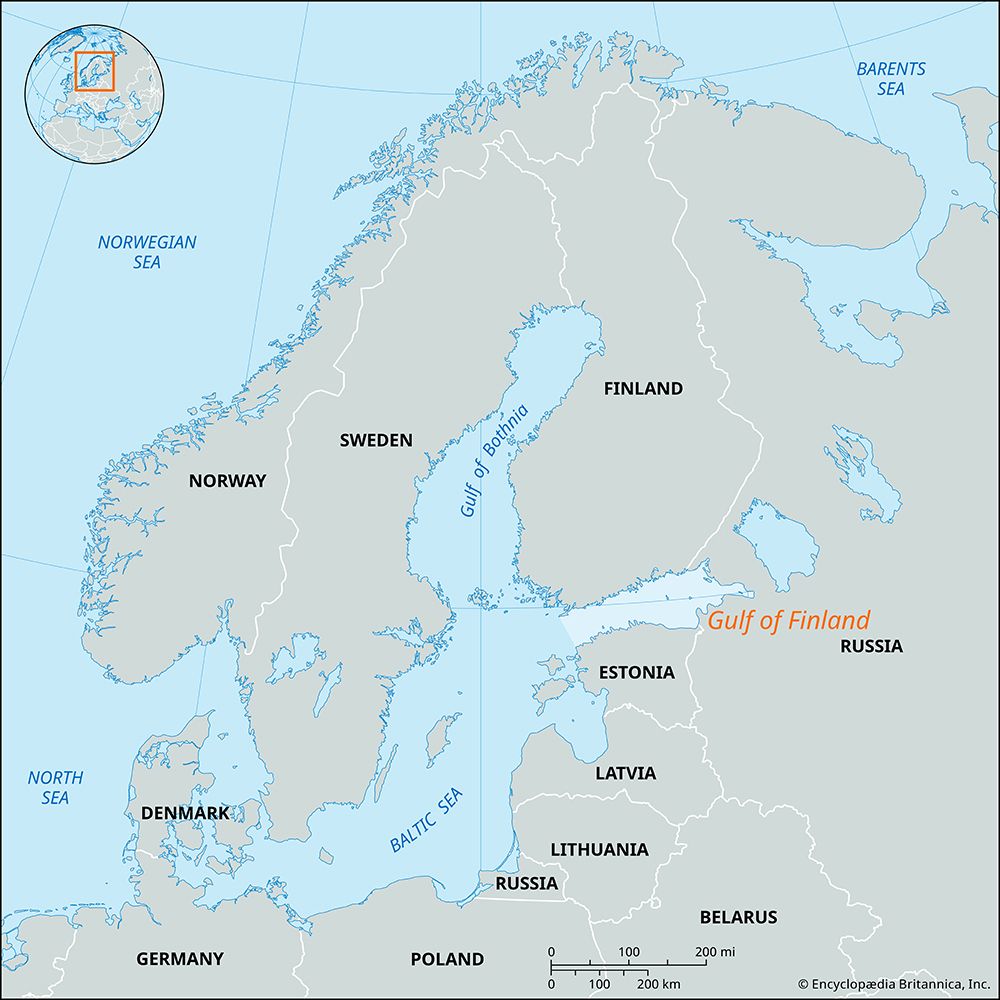
The Gulf of Finland, an eastern arm of the Baltic Sea, serves as a vital maritime corridor connecting Finland, Russia, and Estonia. Several major cities and ports are situated along its coastline, facilitating significant trade and industrial activity.1
Key ports and cities include:
- Finland: Helsinki, Kotka, and Porkkala. Kotka, in particular, is a major industrial center specializing in the export of lumber, pulp, and cellulose.12
- Russia: St. Petersburg, Vyborg, and Kronshtadt.1
- Estonia: Tallinn.1
These locations are essential to the region’s shipping routes, though the gulf’s low salinity causes it to freeze for several months each winter, impacting navigation.1
What are the major rivers that flow into the Gulf of Finland?
The Gulf of Finland, an eastern arm of the Baltic Sea, receives water from several significant river systems. The primary rivers that flow into the gulf include:
- Neva River: This is the most prominent river entering the gulf, emptying at St. Petersburg. It serves as a critical link in the Volga-Baltic Waterway, connecting the gulf to a vast drainage basin that includes Lake Ladoga, Lake Onega, and the Svir and Volkhov rivers.145
- Narva River: This river also discharges into the Gulf of Finland, forming part of the border between Estonia and Russia.1
Additionally, while many of Finland’s rivers flow into the Gulf of Bothnia or inland lakes, various other rivers in the region drain southward into the Gulf of Finland, contributing to its low salinity.167
How do the salinity levels in the Gulf of Finland compare to other parts of the Baltic Sea?
The Baltic Sea is characterized by remarkably low salinity due to its nearly landlocked nature and the significant influx of fresh water from rivers and surface runoff. However, salinity levels vary considerably across its different regions:15
- Western Baltic: This area records the highest salinity in the sea, measuring approximately 10 parts per thousand at the surface and up to 15 parts per thousand near the bottom.1
- Gulf of Finland: This region maintains a low salinity level of approximately six parts per thousand.8
- Gulf of Bothnia: This northern arm exhibits the lowest salinity levels in the entire Baltic system. At its head, the water is nearly fresh, with salinity levels less than one-third of those found in the western Baltic.15
The salinity gradient is primarily driven by the distance from the North Sea, the volume of river discharge, and the limited exchange of water through the sea’s shallow outlets.15
How does the Gulf of Finland’s ecosystem differ from other parts of the Baltic Sea?
The ecosystem of the Gulf of Finland is defined by its specific hydrological conditions, which distinguish it from other regions of the Baltic Sea.
Key factors influencing its environment include:
- Low Salinity: With a salinity of approximately six parts per thousand, the gulf is significantly fresher than the western Baltic, though it remains more saline than the head of the Gulf of Bothnia, where water is nearly fresh due to extensive river discharge.178
- Seasonal Ice Cover: The gulf experiences freezing conditions for three to five months each winter. This ice formation, which can reach depths of about three feet (one meter) in inner reaches, is a recurring environmental stressor that limits navigation and shapes the seasonal cycle of the local marine habitat.18
- Riverine Influence: The ecosystem is heavily influenced by the influx of fresh water from major rivers, most notably the Neva River and the Narva River. These rivers carry significant runoff from large drainage basins, which helps maintain the gulf’s low-salinity environment.15
Sources
- Gulf of Finland — Encyclopædia Britannica
- Finland - Land — Encyclopædia Britannica
- Kotka — Encyclopædia Britannica
- Finland - Drainage and soils — Encyclopædia Britannica
- Baltic Sea - Hydrology — Encyclopædia Britannica
- Volga-Baltic Waterway — Encyclopædia Britannica
- Neva River — Encyclopædia Britannica
- Gulf of Bothnia — Encyclopædia Britannica
- Atlantic Ocean - Salinity — Encyclopædia Britannica
Published on · 3 min read