Lake Ilmen
Lake Ilmen is a lake located in the Novgorod province of northwestern Russia. Situated in the center of the Ilmen Plain, it occupies a shallow glacial basin…
What is Lake Ilmen?
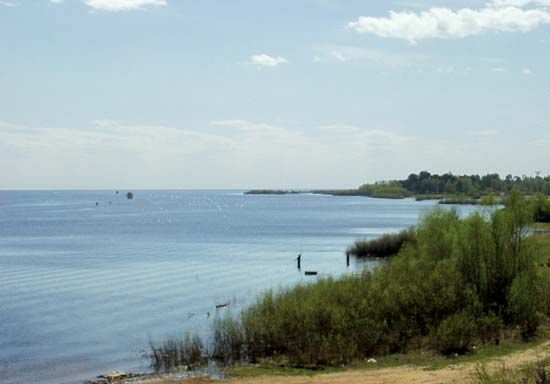
Lake Ilmen is a lake located in the Novgorod province of northwestern Russia. Situated in the center of the Ilmen Plain, it occupies a shallow glacial basin that is significantly influenced by riverine deposits.1
The lake’s surface area is highly variable, ranging from 283 to 807 square miles (733 to 2,090 square km) depending on seasonal river flow. It serves as a vital hydrological hub, receiving water from nearly 50 rivers—most notably the Msta, Pola, Lovat, Psizha, and Shelon—and acting as the headwaters for the Volkhov River. With an average depth of about 33 feet (10 meters), the lake remains navigable during the summer months.1
What is the historical importance of the Volkhov River?
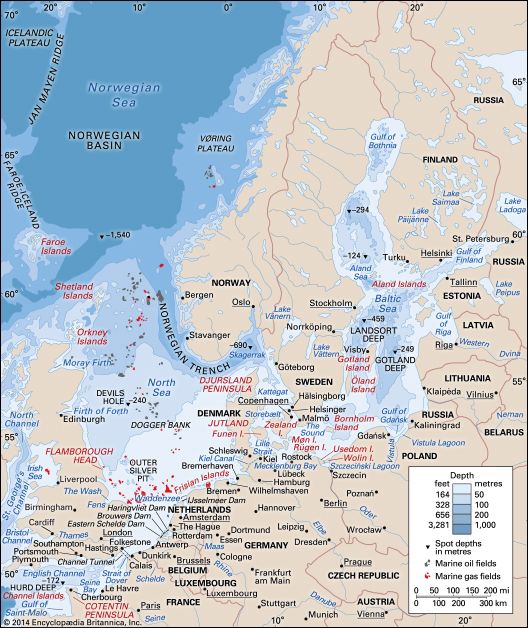
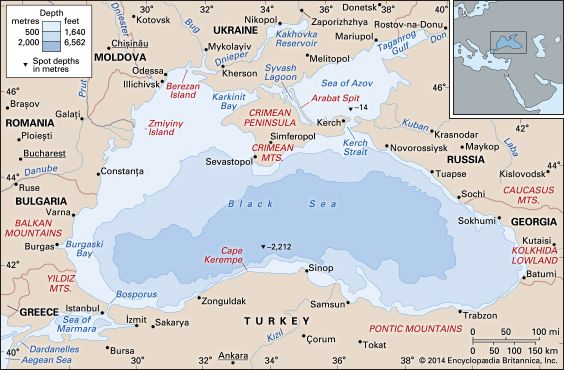
The Volkhov River has served as a vital artery in Russian history, primarily as a key component of the ancient trade route connecting the Baltic Sea to the Black Sea and Byzantium.34
Its historical importance is most closely tied to the city of Veliky Novgorod, which was established on its banks just below the outflow from Lake Ilmen4. As a major trading center, Novgorod utilized the river to link its economy with Central Asia and various parts of European Russia, flourishing through trade with the Hanseatic League.4
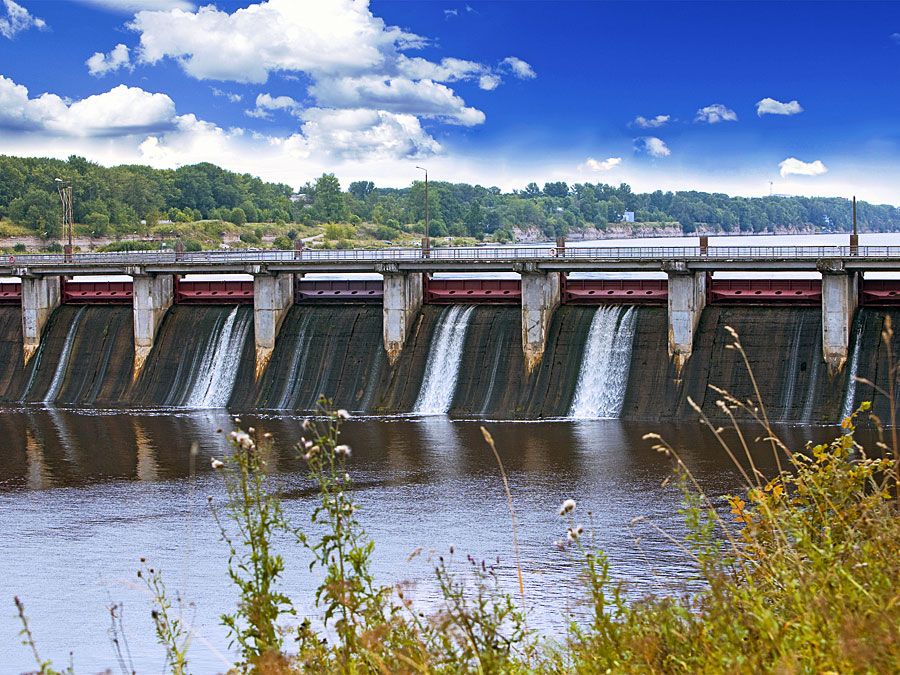
Beyond commerce, the river was central to the region’s defense and political development. Under Alexander Nevsky, the area’s defenders successfully repulsed Swedish attacks on the Neva River in 1240, protecting the northern territories. Furthermore, the river banks are home to significant cultural heritage, including the historic kremlin and numerous medieval cathedrals, which have been recognized as a UNESCO World Heritage site. In the modern era, the river also marked a milestone in industrial development with the construction of the Soviet Union’s first hydroelectric station in 1926.43
How do glacial processes shape lowland lakes?
Glacial processes shape lowland lakes primarily through the mechanical action of ice sheets and the deposition of glacial materials. These processes create diverse lake basins across relatively level landscapes.78
Erosional Processes
As continental ice sheets move over low-relief terrain, they scour the underlying bedrock, creating numerous small, shallow depressions known as ice-scour lakes. While continental glaciers generally have less erosional capacity than valley glaciers, they can locally remove significant amounts of bedrock, especially where flow is channelized or where they move from hard, resistant rock onto softer sedimentary layers. These basins are often aligned with the direction of regional ice flow.78
Depositional Processes
Glacial deposits also play a critical role in forming and confining lake basins:
- Moraine Damming: Heterogeneous sedimentary deposits, or moraines, left at the margins of retreating glaciers can block existing valleys or depressions, creating dams that trap postglacial waters.79
- Kettle Lakes: When blocks of stagnant ice are buried by glacial debris and subsequently melt, they leave behind steep-sided depressions called kettles, which often fill with water to form kettle lakes form kettle lakes.710
These combined erosional and depositional actions frequently derange pre-existing drainage systems, resulting in the tens of thousands of lakes found in regions like Minnesota, Canada, and Scandinavia.9
What is the significance of Novgorod in Russian history?
Veliky Novgorod, one of Russia’s oldest cities, holds immense historical significance as a major commercial, political, and cultural center that shaped the development of the Russian state.
A Hub of Trade and Independence
Established in the 9th century, Novgorod flourished as a vital link in river trade routes connecting the Baltic Sea to Byzantium and Central Asia. It served as the primary mart for Russian trade with the Hanseatic League, exporting furs and other resources from the northern forests. Unlike other Russian centers, Novgorod developed a unique political system where sovereignty resided in the town assembly, or veche, which elected its own officials and maintained independence from princely power for centuries.41314
Military and Cultural Legacy
Novgorod played a crucial role in defending northern Russia. Under Alexander Nevsky, the city successfully repelled Swedish and Teutonic Knight invasions in the 13th century. Culturally, it was a bastion of early Russian architecture and art, housing medieval monuments and frescoes that are now designated as a UNESCO World Heritage site.) World Heritage site.4
Integration into Muscovy
The city’s long struggle for supremacy with Moscow ended in 1478 when Ivan III the Great annexed Novgorod, marking a decisive step toward the unification of the Russian state.415
Sources
- Lake Ilmen — Encyclopædia Britannica
- Il'men' — Merriam-Webster
- Volkhov River — Encyclopædia Britannica
- Veliky Novgorod — Encyclopædia Britannica
- Russia - Prehistory and the rise of the Rus — Encyclopædia Britannica
- Russia - The Mongol invasion — Encyclopædia Britannica
- lake - Basins formed by glaciation — Encyclopædia Britannica
- glacial landform - Glaciolacustrine deposits — Encyclopædia Britannica
- Quaternary - Landforms — Encyclopædia Britannica
- glacial landform - Erosional landforms of continental glaciers — Encyclopædia Britannica
- Pleistocene Epoch - Glaciation — Encyclopædia Britannica
- glacial landform - Glaciofluvial deposits — Encyclopædia Britannica
- Russia - Novgorod of Russia — Encyclopædia Britannica
- Moscow - The rise of Moscow as capital — Encyclopædia Britannica
- Hanseatic League — Encyclopædia Britannica
- Hanseatic League - Merging of the associations — Encyclopædia Britannica
Published on · 3 min read