Nightingale
The term "Nightingale" refers to several distinct subjects:
What is Nightingale?
The term “Nightingale” refers to several distinct subjects:
- Florence Nightingale: A British nurse, statistician, and social reformer who is considered the foundational philosopher of modern nursing. Known as the “Lady with the Lamp” for her care of soldiers during the Crimean War, she established the first scientifically based nursing school in 1860.1
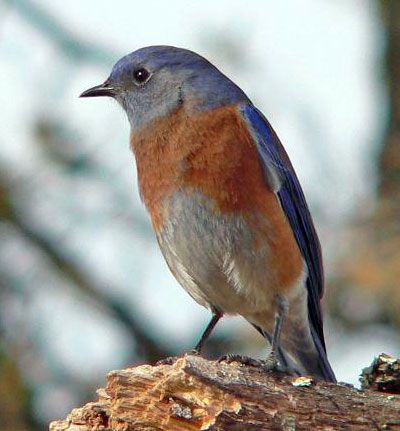
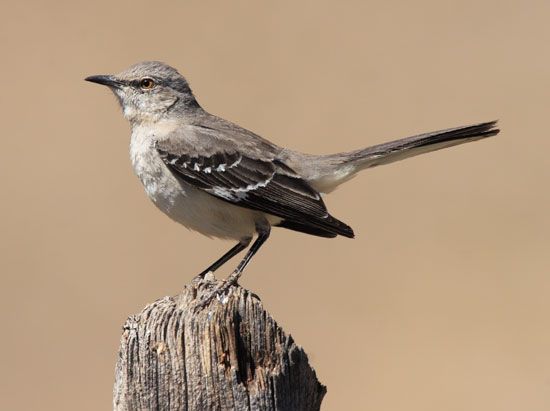
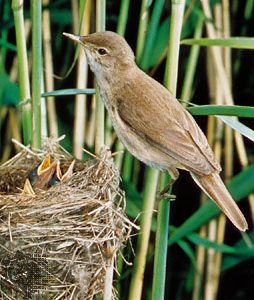
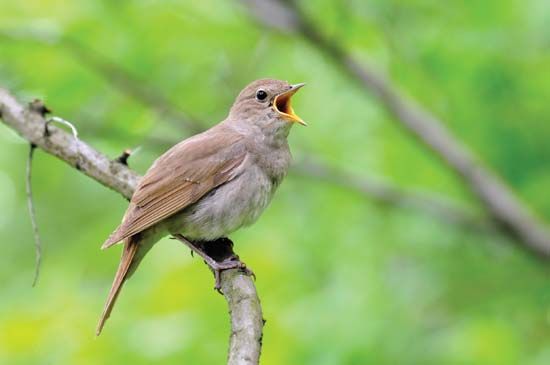
- The Bird: A group of small Old World thrushes (family Turdidae) renowned for their complex and beautiful songs, which are often performed at night. The name is also applied to other melodious birds, such as the mockingbird in the West Indies.2
- Literature: “Ode to a Nightingale,” a famous poem by John Keats, uses the bird’s song as a symbol for the enduring nature of art in contrast to human mortality.3
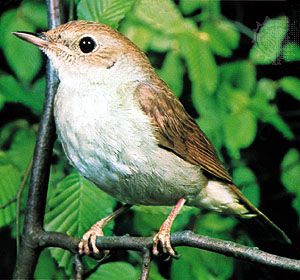
Why is the nightingale’s song considered unique among birds?
The nightingale’s song is widely considered unique due to its exceptional strength, variety, and complex structure. As a member of the oscine group, the Eurasian nightingale possesses a highly developed vocal organ known as the syrinx, which allows for a rich and melodious output.25
Key features that distinguish its song include:
- Musical Complexity: The bird utilizes approximately twenty-four basic songs, achieving vast variety by altering the internal arrangement of phrases and the duration of pauses between them.6
- Dynamic Range: Its song is characterized by prominent crescendo effects, which contribute to its dramatic and powerful quality.4
- Nocturnal Performance: While many birds sing primarily during the day, the nightingale is noted for singing both day and night, a trait reflected in its name.46
- Cultural Significance: Its reputation as a premier songster is deeply embedded in literature, where it is often celebrated for its sweet, rich, and enduring vocalizations.25
How did Florence Nightingale change the field of modern medicine?
Florence Nightingale fundamentally transformed modern medicine by establishing nursing as a scientifically based, respected profession and by pioneering the use of statistical analysis to drive healthcare reform.17
Her contributions include:
- Sanitation and Clinical Practice: During the Crimean War, she reorganized military hospitals by implementing rigorous sanitation, ventilation, and nutritional standards. These evidence-based interventions caused mortality rates to plummet, proving the critical link between environment and patient recovery.8
- Professional Education: In 1860, she opened the Nightingale School of Nursing at St. Thomas’ Hospital in London. This institution formalized secular nursing education, creating a model that was adopted worldwide and established nursing as a viable career for women.17
- Statistical Reform: Nightingale was a pioneer in using data to influence policy. She developed innovative tools like the “Coxcomb” chart to analyze mortality and health outcomes. Her meticulous records and statistical analysis were instrumental in convincing the British government to enact major reforms in military medical systems and public health in India.7
- Public Health Advocacy: Through her influential publication, Notes on Nursing, and her promotion of district nursing, she extended the reach of professional care into the home, focusing on preventative health and the needs of the poor.7
What role does the nightingale play in famous works of literature?
In literature, the nightingale frequently serves as a powerful symbol of artistic immortality and tragic transformation.
One of the most famous literary treatments is Ode to a Nightingale by John Keats. In this poem, the bird’s song represents an eternal, transcendent beauty that contrasts sharply with the suffering, sickness, and transience of human life. For Keats, the nightingale’s song is a symbol of art that survives long after the mortal creator has passed away.3
The bird is also deeply rooted in classical tradition through the myth of Philomela. In Greek mythology, Philomela was an Athenian princess who, after being silenced by a brutal act of violence, was transformed by the gods into a nightingale. Consequently, the name “Philomel” became a poetic synonym for the bird, often used to evoke themes of sorrow, beauty, and the voice reclaimed through song.94
Sources
- Florence Nightingale — Encyclopædia Britannica
- Nightingale — Encyclopædia Britannica
- Ode to a Nightingale — Encyclopædia Britannica
- nightingale — Merriam-Webster
- Songbird — Encyclopædia Britannica
- Passeriform - Sound production — Encyclopædia Britannica
- Florence Nightingale - Homecoming and legacy of Florence Nightingale — Encyclopædia Britannica
- Nursing - History of nursing — Encyclopædia Britannica
- Philomela — Merriam-Webster
- Philomel — Merriam-Webster
Published on · 3 min read