Nova Scotia
Nova Scotia’s identity is inextricably linked to its maritime heritage, which has shaped its history, economy, and culture since the arrival of early…
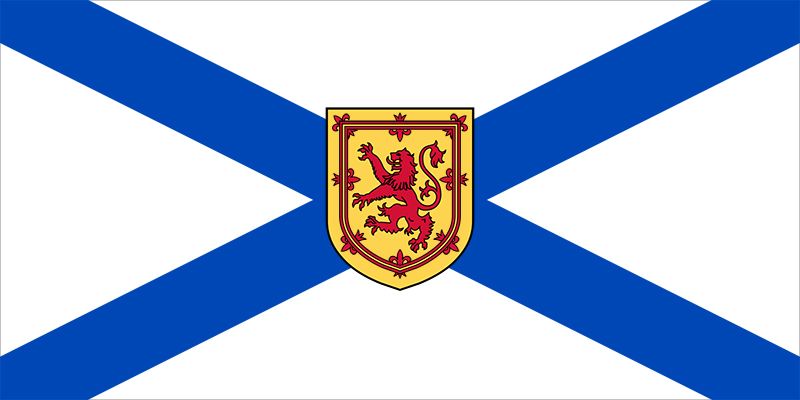
What is the significance of Nova Scotia’s maritime history and its connection to the fishing industry?
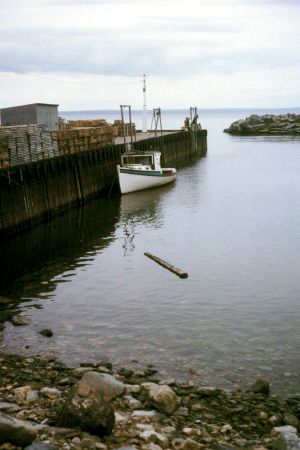
Nova Scotia’s identity is inextricably linked to its maritime heritage, which has shaped its history, economy, and culture since the arrival of early European settlers. The province’s rich coastal fisheries served as the primary motivation for European involvement in the region, leading to the establishment of the first permanent settlement at Port Royal in 1605.12
The fishing industry remains a vital, though evolving, component of the provincial economy. While the traditional cod fishery was decimated by the collapse of stocks, the industry has adapted to focus on lobster, scallops, haddock, and herring4. Furthermore, aquaculture has emerged as an increasingly significant facet of the sector.3
Beyond fishing, Nova Scotia’s maritime significance is defined by:
- Shipbuilding and Shipping: The province has a long history of shipbuilding and remains a hub for modern maritime transport, with Halifax serving as a major year-round, ice-free port.14
- Strategic Importance: Throughout history, the region’s ports have been critical for transatlantic trade and military logistics, particularly during the 20th-century World Wars.12
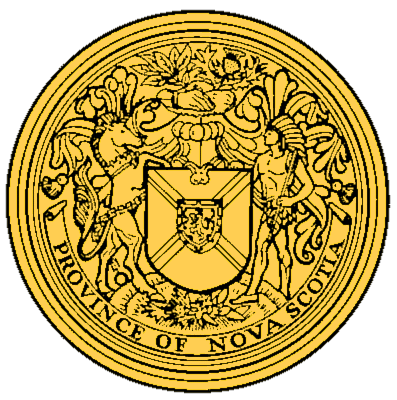
What role does Nova Scotia play in Canada’s political landscape, and how many seats does it have in the federal parliament?
Nova Scotia holds a foundational place in Canada’s political landscape as one of the four original provinces that formed the Dominion of Canada in 18672. Its governmental structure mirrors the broader Canadian model, featuring a lieutenant governor as the representative of the Crown and a premier who leads the provincial government.7
In the federal parliament, Nova Scotia is represented by 11 seats in the Canadian House of Commons. Historically, the province’s political scene has been dominated by the Liberals and the Progressive Conservatives, though the New Democratic Party saw significant growth during the late 20th century.87
The province maintains a distinct administrative balance, where the federal government appoints judges to higher courts, while the provincial government manages lower court appointments and operates through a nonpolitical civil service.7

How has Nova Scotia’s demographic composition changed over the years, and what impact has this had on the province?
Nova Scotia’s demographic composition has evolved from its original Mi’kmaq inhabitants to a diverse population shaped by centuries of migration. Following European arrival, the province saw waves of Acadian French, British, Scottish, Irish, and German settlers, alongside the arrival of Black Loyalists and enslaved people in the 18th century. More recently, the 20th century introduced smaller migrations from various global regions, particularly to urban centers like Halifax and Sydney.9
These shifts have significantly impacted the province’s social and economic landscape:
- Urbanization: While early settlement was coastal and resource-based, the 20th century saw a major shift toward urban centers driven by industrialization in coal, steel, and manufacturing.10
- Migration Trends: The province has experienced long-term out-migration to the United States and other parts of Canada, though the population has grown to over 1,000,000 in recent years.107
- Cultural Renaissance: Despite the dominance of English, there has been a notable revival of Gaelic and Mi’kmaq languages.9
How does Nova Scotia’s economy contribute to Canada’s overall economic landscape?
Nova Scotia’s economy is a diversified mix of traditional resource extraction and a growing service-based sector. While historical industries like fishing, forestry, and coal mining have declined, they remain foundational to the province’s identity and economic structure.1412
Key Economic Contributions
- Resources and Energy: The province is a major supplier of gypsum, providing approximately three-fourths of Canada’s total supply. Additionally, the province utilizes the Bay of Fundy for tidal energy and extracts natural gas from offshore wells near Sable Island12.12
- Service Industries: The economy has shifted heavily toward services, with tourism attracting over a million visitors annually. Knowledge-based sectors, including computer technology, telecommunications, and education, now employ more than one-fourth of the provincial workforce.113
- Manufacturing: A solid base exists in food processing, metal production, and wood-related industries.13
- Public Sector: The presence of Canadian Forces military bases and a large workforce in education and public services are vital to the provincial economy.13
Sources
- Nova Scotia - Economy — Encyclopædia Britannica
- Nova Scotia — Encyclopædia Britannica
- Nova Scotia - Transportation and telecommunications — Encyclopædia Britannica
- Nova Scotia - Agriculture, forestry, and fishing — Encyclopædia Britannica
- Nova Scotia - History of Nova Scotia — Encyclopædia Britannica
- Nova Scotia - Relief, drainage, and soils — Encyclopædia Britannica
- Nova Scotia: Country Facts — Encyclopædia Britannica
- Nova Scotia - Constitutional framework — Encyclopædia Britannica
- Nova Scotia - Population composition — Encyclopædia Britannica
- Nova Scotia - Settlement patterns and demographic trends — Encyclopædia Britannica
- Nova Scotia - Health and welfare — Encyclopædia Britannica
- Nova Scotia - Resources and power — Encyclopædia Britannica
- Nova Scotia - Manufacturing, services, labour, and taxation — Encyclopædia Britannica
Published on · 3 min read