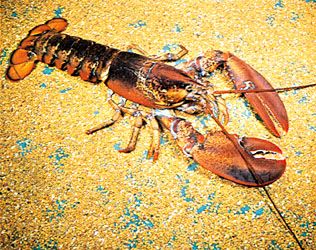
Lobster
Lobsters grow through a process called molting, or ecdysis, which involves the periodic shedding of their rigid exoskeleton. Because this shell is nonliving…
How do lobsters molt and grow throughout their lifecycle?
Lobsters grow through a process called molting, or ecdysis, which involves the periodic shedding of their rigid exoskeleton. Because this shell is nonliving and inflexible, it prevents growth except immediately after it is cast off.12
The molting process is hormonally controlled and consists of four main stages:
- Proecdysis (premolt): The lobster resorbs calcium from the old shell into its blood. The epidermis separates from the old exoskeleton and secretes a new, soft one beneath it.12
- Ecdysis: The old shell splits along specific lines—in lobsters, between the carapace and abdomen—and the animal withdraws its body.12
- Metecdysis (postmolt): The lobster absorbs water to swell its body, stretching the new, soft cuticle. The shell then begins to harden through calcification and tanning.12
- Intermolt: A period of variable duration where the lobster remains in its hardened shell.1
Unlike many arthropods that stop molting upon reaching maturity, lobsters continue to molt throughout their lives, allowing for continual growth.2
What are the different types of lobsters found around the world?
Lobsters are marine crustaceans categorized into four primary families, each with distinct physical characteristics:
- True Lobsters (Homaridae): These are characterized by large claws on their first three pairs of legs, with the first pair being the most prominent. Notable species include the American lobster and the Norway lobster. They are found in most non-polar seas and are highly valued commercially.4
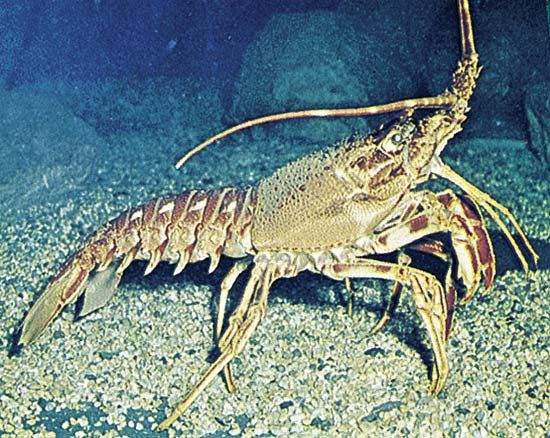
- Spiny Lobsters (Palinuridae): Named for their spiny bodies, these lobsters lack large claws. They possess long antennae and are primarily found in tropical waters, though some species inhabit temperate regions. Their abdomen is the primary part consumed, often marketed as lobster tail.4
- Slipper Lobsters (Scyllaridae): These are mainly tropical, flat, and clawless creatures. Their antennae are flattened into broad plates. Most species are small and hold little economic importance.4
- Deep-sea Lobsters (Polychelidae): These are soft, weak animals that possess claws. Some species are blind, and none are considered commercially important.4
What role do lobsters play in their marine ecosystems?
Lobsters serve as essential components of marine ecosystems, primarily functioning as benthic (bottom-dwelling) invertebrates that occupy various roles in the food web. As opportunistic feeders, they act as both scavengers and predators. Their diet consists of dead animals, live fish, small mollusks, and seaweed, which helps regulate the populations of other bottom-dwelling organisms and contributes to the cycling of nutrients within their habitat.4
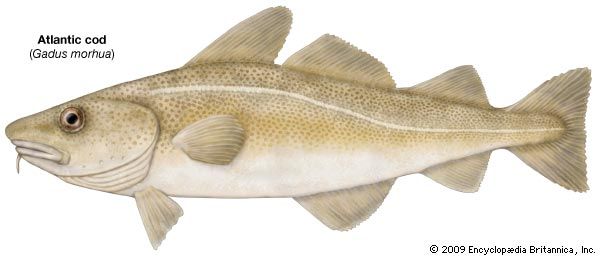
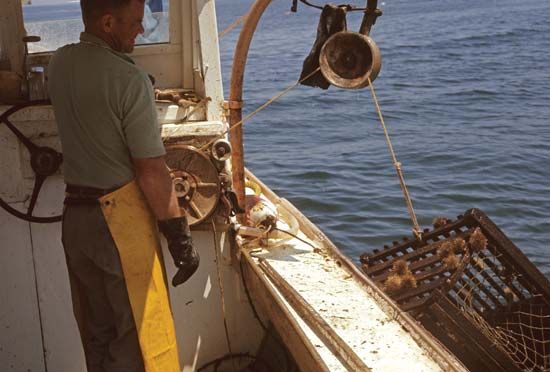
In turn, lobsters are integrated into the marine food chain as prey. During their younger stages, they are particularly vulnerable to predation by various marine species, including dogfish, skates, and cod. Once they reach adulthood, humans become their primary predators, significantly impacting their populations through commercial fishing practices.4
How long can lobsters live, and what factors affect their lifespan?
In the wild, the lifespan of a lobster can be quite extensive. While some individuals may live for approximately 50 years, the oldest specimens are capable of reaching 100 years or more.4
Several factors influence their longevity and survival:
- Predation: Young lobsters face significant threats from various marine predators, including dogfish, skates, and cod. For adult lobsters, humans are the principal predators, as commercial fishing activities significantly impact population numbers.4
- Molting: As arthropods, lobsters must periodically shed their rigid exoskeleton to grow, a process known as molting or ecdysis. Unlike many other arthropods that stop molting upon reaching sexual maturity, lobsters continue this process throughout their lives. This cycle is essential for growth but also leaves them vulnerable while their new shell is soft.317
- Environmental Factors: The timing of molts and overall growth are regulated by hormonal control and environmental conditions.31
Sources
- crustacean - Exoskeleton — Encyclopædia Britannica
- Endocrine system - Molting — Encyclopædia Britannica
- arthropod - The exoskeleton and molting — Encyclopædia Britannica
- lobster — Encyclopædia Britannica
- crustacean - Reproduction and life cycles — Encyclopædia Britannica
- Atlantic Ocean: Top Questions — Encyclopædia Britannica
- Do lobsters mate for life? — Encyclopædia Britannica
Published on · 3 min read