Grizzly Bear
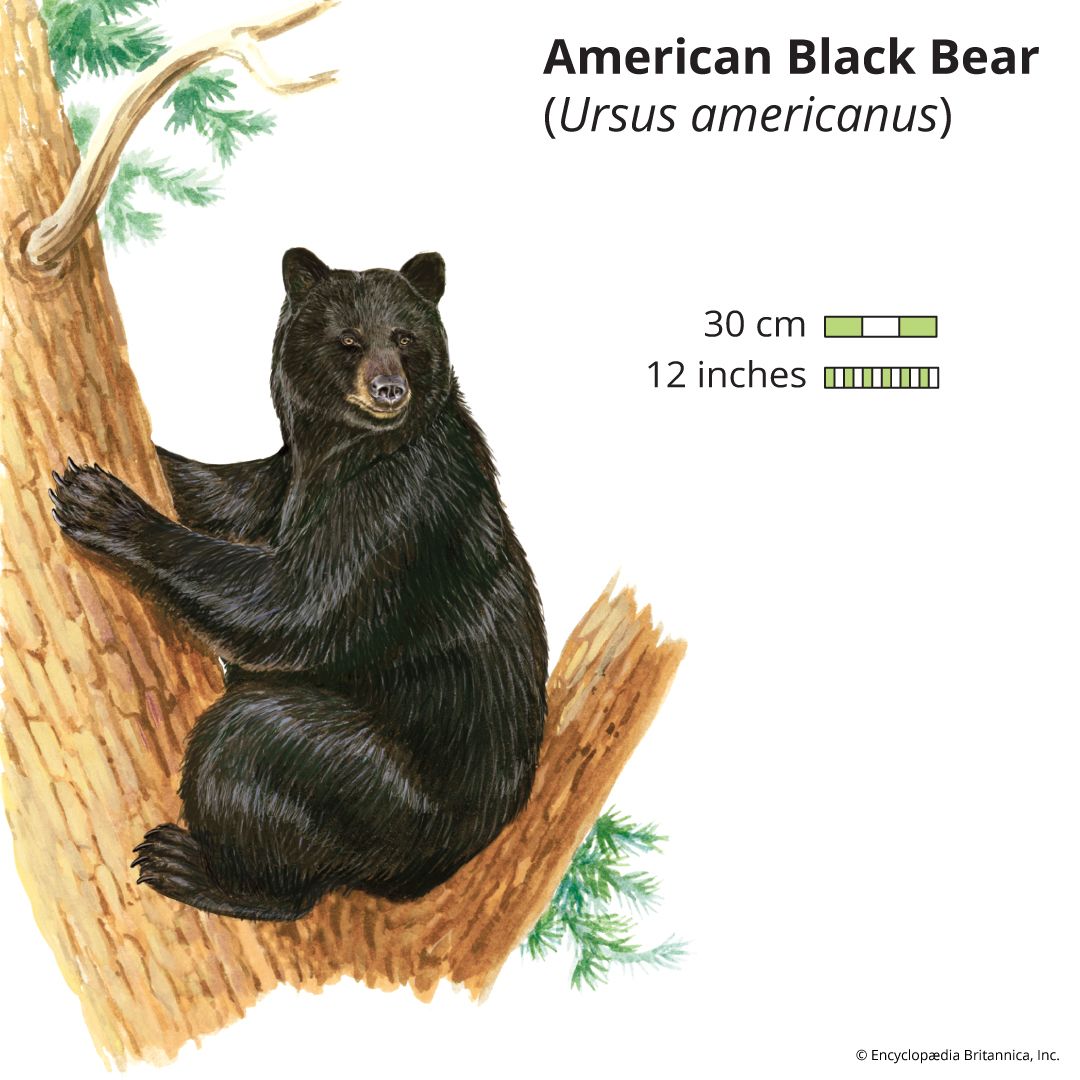
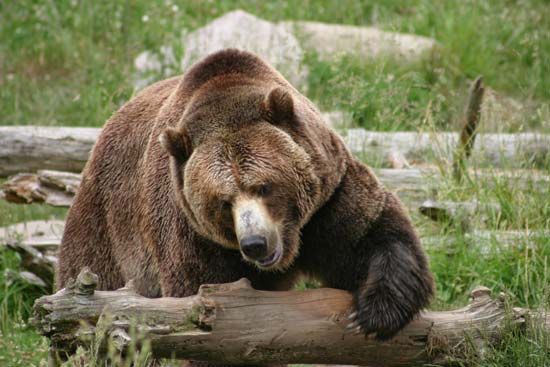
The grizzly bear (Ursus arctos horribilis) is physically distinguished from other species, such as the American black bear, by several key features:
What are the physical characteristics that distinguish grizzly bears from other bear species?
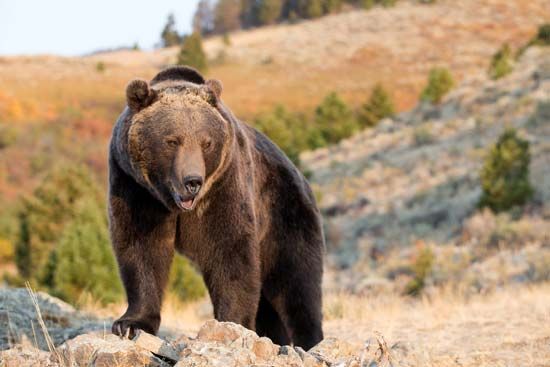
The grizzly bear (Ursus arctos horribilis) is physically distinguished from other species, such as the American black bear, by several key features:
- Shoulder Hump: Grizzlies possess a distinctive hump of muscle on their shoulders, which is absent in black bears.12
- Facial Profile: They have an elevated forehead that creates a somewhat concave or “dished” facial profile.1
- Claws: Grizzlies have long, straight claws adapted for digging, whereas black bears have shorter, curved claws.12
- Fur Appearance: Their coat ranges from brownish to buff, with hairs often tipped in silver or pale colors, creating the “grizzled” effect for which they are named.1
- Size: While size can overlap, grizzlies are generally much larger and more massive than black bears.12
Because of their heavy build and long claws, grizzly bears are less adept at climbing trees compared to black bears. While Kodiak bears share some superficial similarities, they are distinct in size and geographic range.1
How long do grizzly bears typically live in the wild and in captivity?
In the wild, the lifespan of bears, including the grizzly bear, typically ranges from 15 to 30 years. When kept in captivity, these animals can live considerably longer than they would in their natural habitats.34
While these figures provide a general estimate for the species, individual longevity in the wild is influenced by factors such as food availability, environmental conditions, and human impact, which remains the primary cause of mortality for bears. In captivity, while animals may avoid natural threats like starvation or predation, they can face different challenges, such as health issues related to enclosure size or lifestyle, which may impact their overall well-being.31
What are some common myths or misconceptions about grizzly bears?
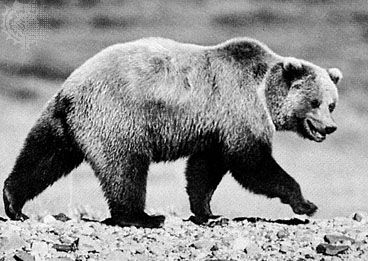
Common misconceptions about grizzly bears often stem from their appearance and their portrayal in human-centric settings. Here are some of the most prevalent myths:
- Bears are tame or harmless: Because bears can be captured when young and trained for circus acts, many people mistakenly believe they are inherently docile. In reality, grizzlies are powerful, potentially dangerous wild animals that deserve respect and caution. Treating them as “tame” has frequently led to tragic outcomes for both humans and the bears themselves.1
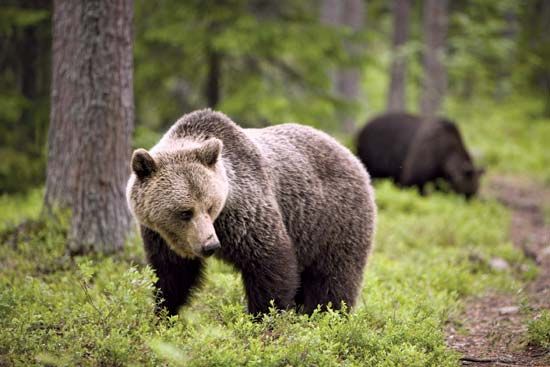
- Color identifies the species: People often assume that any brown-colored bear in North America is a grizzly. However, the American black bear also frequently exhibits brown fur, particularly in the western parts of its range. Relying on color alone is an unreliable way to distinguish between the two species.67
- They are clumsy: While bears may appear lumbering or awkward, they are surprisingly agile. Grizzlies can reach speeds of up to 56 km (35 miles) per hour over short distances and can move quickly through dense cover that would significantly slow down a human.61
How do the diets of grizzly bears and black bears compare?
Both grizzly bears and black bears are classified as carnivores but maintain an omnivorous diet, consuming a wide variety of plant and animal matter to accumulate the fat necessary for winter dormancy.21
While their diets overlap significantly, there are notable differences in their feeding behaviors:
- Shared Food Sources: Both species consume berries, plant roots, shoots, carrion, and the calves of hoofed animals.21
- Grizzly Foraging: Grizzlies are known to dig vigorously in search of rodents and often cache their food in shallow holes to protect it. They also frequently consume fish.1
- Black Bear Foraging: Black bears are highly opportunistic feeders. In addition to mast (such as acorns and beechnuts), they consume ants, honey, and pine cones. Those living near human settlements readily adapt to human food sources like garbage and campsite handouts.2
Sources
- grizzly bear — Encyclopædia Britannica
- black bear — Encyclopædia Britannica
- bear - Natural history — Encyclopædia Britannica
- bear: Top Questions — Encyclopædia Britannica
- Zoos - Con 2: Zoos are detrimental to the animals’ physical health. — Encyclopædia Britannica
- brown bear — Encyclopædia Britannica
- 9 of the World’s Deadliest Mammals - Bears (Family Ursidae) — Encyclopædia Britannica
Published on · 3 min read