Nyctaginaceae
The Nyctaginaceae family, commonly known as the four-o’clock family, includes several well-known plants often cultivated for their ornamental value. Common…
What are some common names for plants in the Nyctaginaceae family?
The Nyctaginaceae family, commonly known as the four-o’clock family, includes several well-known plants often cultivated for their ornamental value. Common names and notable members include:
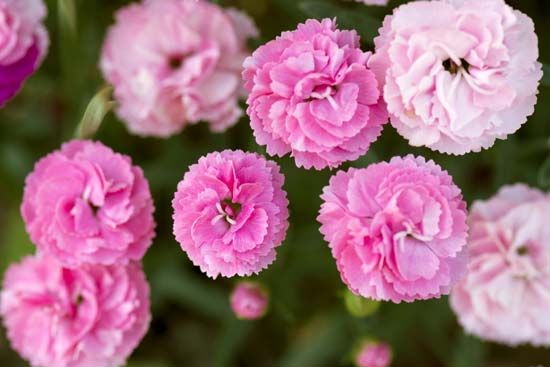
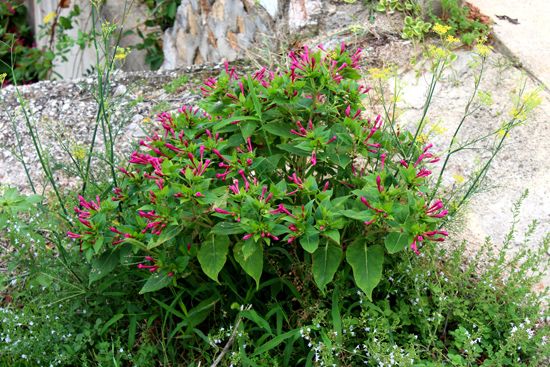
- Four-o’clocks (Mirabilis jalapa): Named for their fragrant flowers that typically open in the late afternoon.12
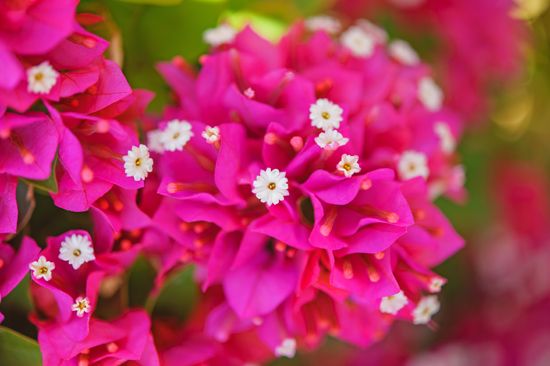
- Bougainvillea: A popular genus of woody vines, shrubs, and small trees known for their showy, papery bracts.13
- Paperflower (Bougainvillea glabra): A specific species of bougainvillea recognized for its vibrant purple or magenta bracts.3
- Sand verbena (Abronia umbellata): A common plant found in arid regions.1
- Devil’s bouquet (Nyctaginia capitata): The sole species within its genus.1
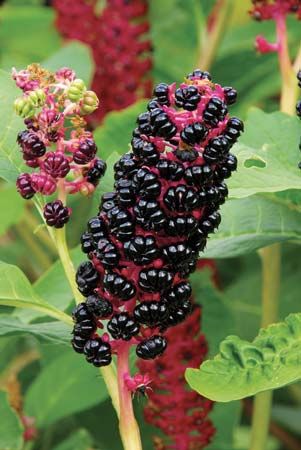
- Birdcatcher trees (Pisonia species): Known for their sticky fruits that can ensnare small birds.1
These plants are diverse, ranging from herbs to trees, and are primarily native to tropical and warm temperate regions of the world.14
Where are Nyctaginaceae plants typically found in nature?
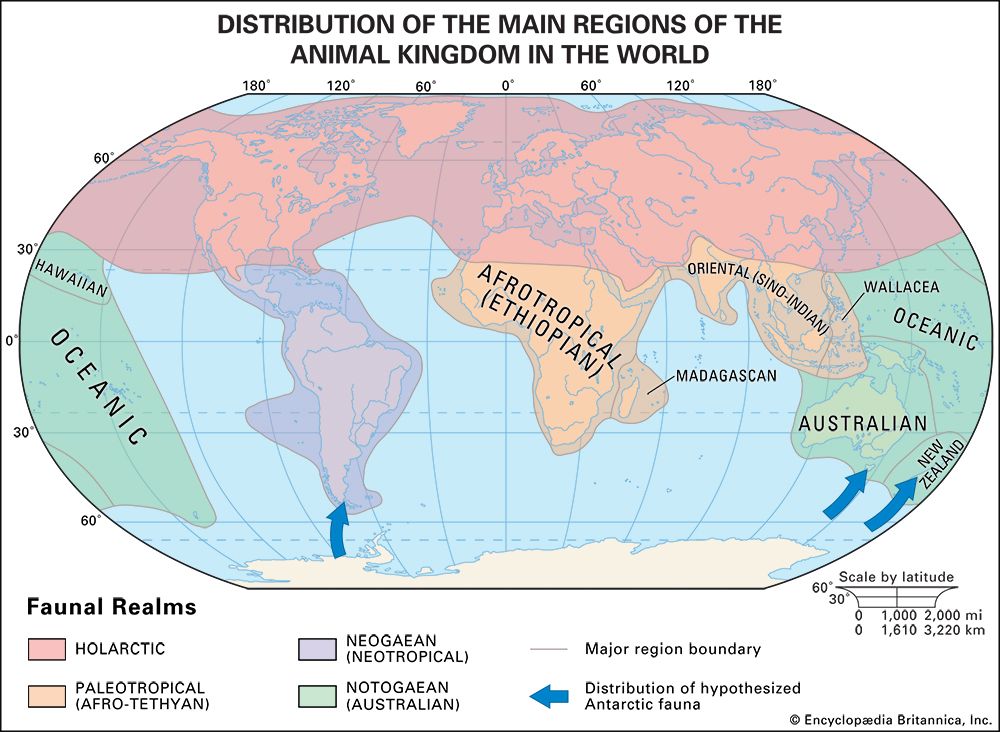
Plants in the Nyctaginaceae family are primarily native to tropical and warm temperate regions across the globe. While they are distributed worldwide in these climates, they exhibit distinct regional concentrations:15
- Arid North America: Several genera, including Boerhavia, Mirabilis, and Abronia, are commonly found in the arid regions of southwestern North America.1
- The New World: Many genera, such as Neea, Guapira, Ceodes, and Pisonia, are pantropical but maintain their primary centres of diversity in the New World.1
- Neotropics: The genus Bougainvillea is native to the Neotropics, specifically South America.46
Generally, the family is characterized by its presence in tropical areas while also extending into warmer temperate zones.5
How have humans utilized plants from the Nyctaginaceae family?
Plants in the Nyctaginaceae family are primarily utilized by humans for their ornamental value, though some species have historical medicinal applications.
Ornamental Use
The most widespread human use of this family is for landscaping and decoration. Several genera are cultivated globally for their aesthetic appeal:
- Bougainvillea: These woody vines, shrubs, and small trees are highly popular in warm climates and conservatories. They are prized for their showy, brightly colored bracts that surround inconspicuous flowers, creating a vibrant display throughout much of the year.162
- Four-o’clocks (Mirabilis jalapa): These night-flowering perennials are common garden plants known for their fragrant, funnel-shaped flowers that open in the late afternoon.167
Medicinal and Traditional Use
Historically, some species have been used in traditional medicine, though caution is required:
- Medicinal Applications: Native Americans historically used the root tea of the wild four-o’clock (M. nyctaginea) to treat burns and fevers, and as an anthelmintic (a treatment to expel parasitic worms).6
- Safety Warning: Despite these traditional uses, it is important to note that M. nyctaginea is considered to be very poisonous.6
What are the main characteristics of plants in the Nyctaginaceae family?
The Nyctaginaceae family, commonly known as the four-o’clock family, consists of approximately 32 genera and 400 species of herbs, shrubs, lianas, and trees within the order Caryophyllales.1
Physical Characteristics
- Leaves and Stems: Plants typically feature smooth-edged leaves arranged oppositely along the stems. Herbaceous species often exhibit swollen stem nodes.1
- Wood: When cut, the wood characteristically oxidizes, turning orange or red-brown upon exposure to air.1
- Flowers: The flowers are petal-less and possess a small, tubular structure called a perianth, which is often surrounded by brightly colored bracts that may resemble petals.13
- Fruit: The fruit is a small, dry achene containing a single seed. These fruits are often winged or grooved, sometimes covered in sticky trichomes, and may be enclosed by the persistent base of the perianth.13
Sources
- Nyctaginaceae — Encyclopædia Britannica
- four-o'clock — Merriam-Webster
- Nyctaginaceae — Merriam-Webster
- bougainvillea — Encyclopædia Britannica
- Caryophyllales - Distribution and abundance — Encyclopædia Britannica
- Caryophyllales - Nyctaginaceae — Encyclopædia Britannica
- 7 Especially Fitting Common Names for Plants | Four O’clock — Merriam-Webster
- bougainvillea — Merriam-Webster
Published on · 3 min read