Neotropical Region
The Neotropical region, also known as the Neogaean realm, is one of the world's six major biogeographic areas, defined primarily by its unique and…
What is Neotropical region?
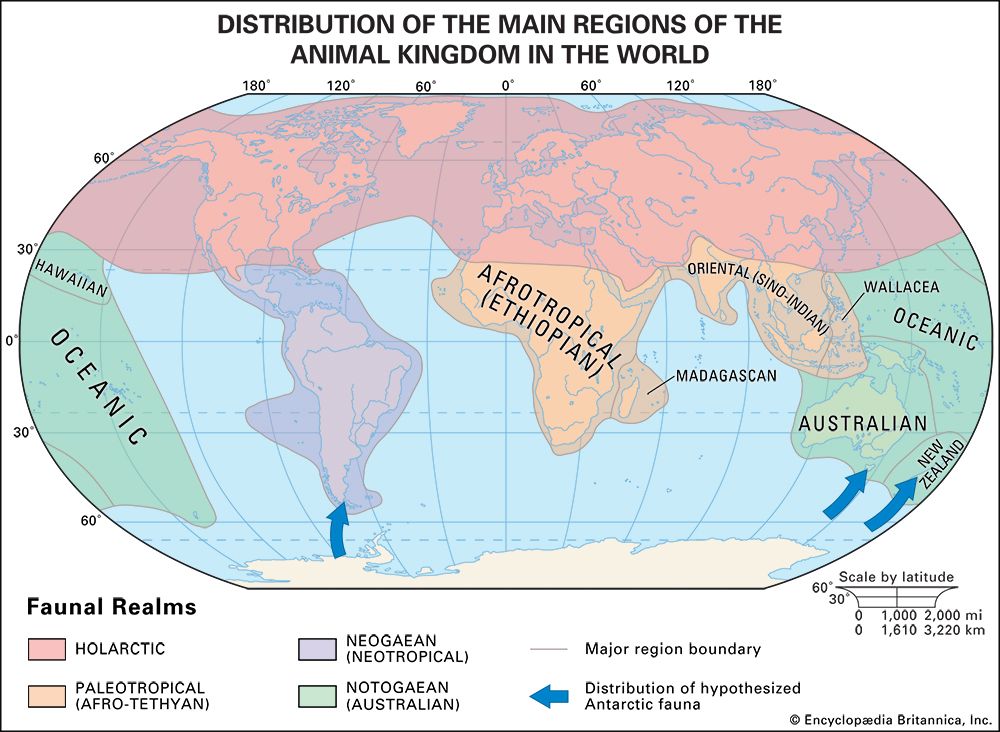
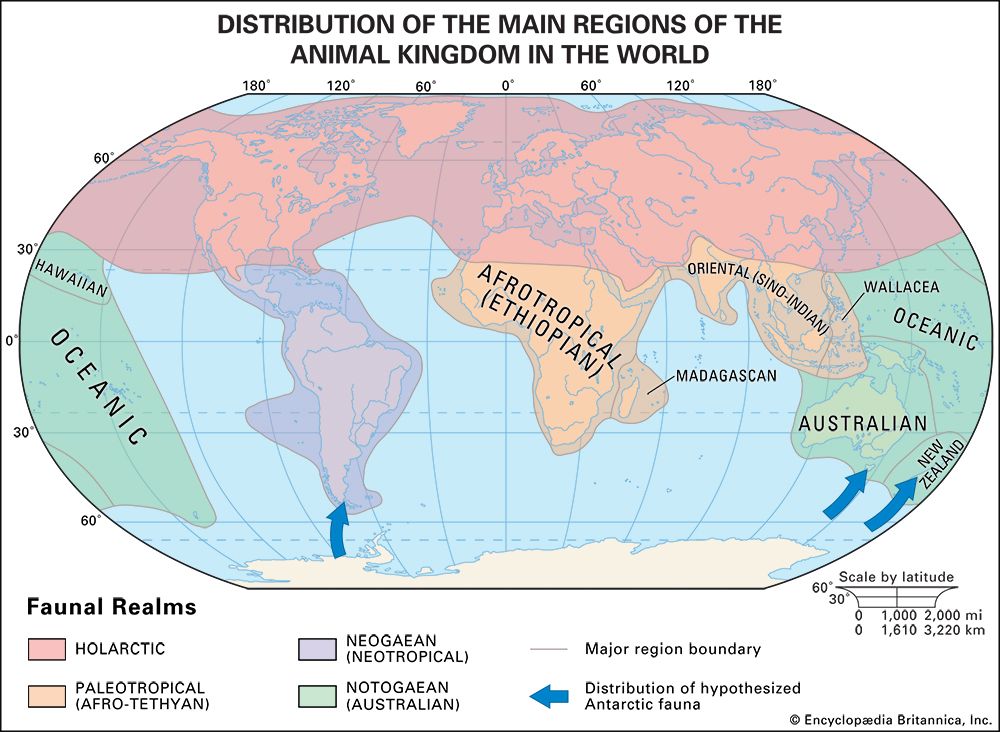
The Neotropical region, also known as the Neogaean realm, is one of the world’s six major biogeographic areas, defined primarily by its unique and characteristic animal life.12
Geographic Scope
The region extends from the tropical lowlands of Mexico, through Central America and the West Indies, into South America, reaching as far south as the subantarctic zone. The corresponding vegetational division is known as the Neotropical kingdom, which encompasses diverse ecosystems ranging from tropical rainforests in the Amazon to the open savannas of the Llanos and the Pampas.123
Biodiversity
The region is renowned for its high level of endemicity. It hosts distinct fauna, including llamas, jaguars, pumas, and various marsupials and New World monkeys. Its flora is equally diverse, with nearly 3,000 genera of flowering plants endemic to the kingdom, including families like Cactaceae. Many of these species are believed to share evolutionary roots dating back to the Gondwanan landmass.123
What are the other five major biogeographic regions of the world?
Biogeographers generally identify six or seven major faunal regions across the globe, defined by their distinct animal life and separated by geographic barriers like oceans, deserts, or mountains. Excluding the Neotropical region, these are:5
- Palaearctic: Encompasses Europe, northern Africa, and northern Asia.5
- Nearctic: Includes North America and Greenland. It is frequently grouped with the Palaearctic as the Holarctic region due to historical faunal interchange.5
- Ethiopian (Afrotropical): Comprises Africa south of the Sahara and southwestern Arabia.56
- Oriental: Covers tropical southern and southeastern Asia, including associated continental islands.56
- Australian: A distinct region often elevated to the status of a realm due to its unique evolutionary history.5
- Antarctic: Also frequently classified as a separate realm because of its highly specialized and isolated fauna.5
These regions serve as useful frameworks for understanding how geologic events, such as continental drift, and climatic factors have shaped the distribution of life on Earth.57
How did the separation of the supercontinent Gondwana influence Neotropical wildlife?
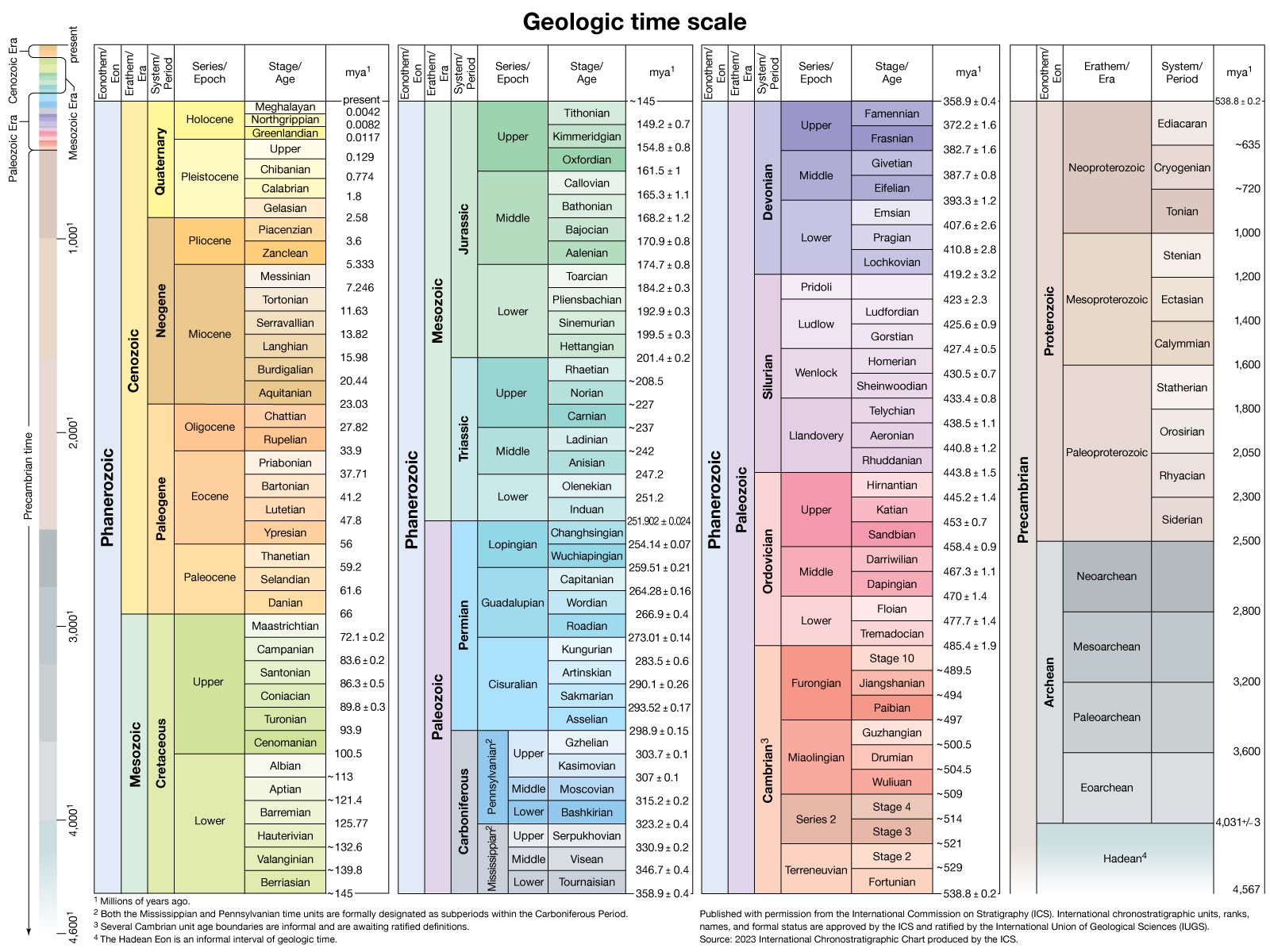
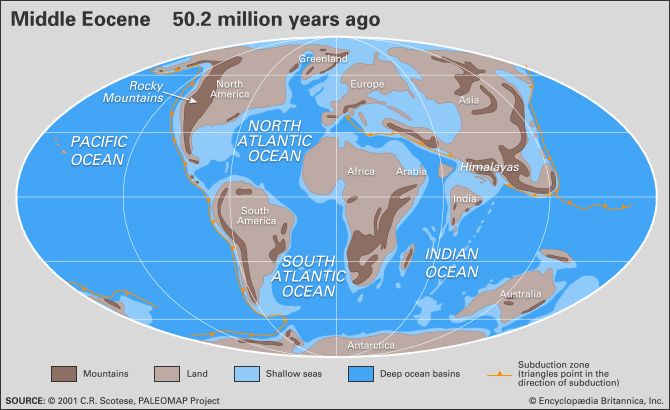
The separation of the supercontinent Gondwana played a foundational role in shaping the unique wildlife of the Neotropical region. As Gondwana broke apart during the Mesozoic Era, South America became an isolated landmass, allowing its flora and fauna to evolve in relative seclusion for millions of years.9310
Evolutionary Isolation
This long-term isolation, particularly during the Paleogene and Neogene periods, fostered high levels of biological originality and endemism. Many groups, such as marsupials (Didelphimorphia) and various placental orders, flourished in the absence of competition from more advanced groups found elsewhere.9111213
Gondwanan Affinities
Evidence of this shared history remains visible today. Certain taxa, including specific bony fish, flightless birds, and invertebrates, show clear evolutionary affinities with the wildlife of other former Gondwanan fragments, such as Africa and Australia. These connections highlight a time when these now-distant continents formed a single, contiguous landmass, facilitating the early dispersal of ancestral species.9123
What makes the Amazon rainforest a critical part of the Neotropical ecosystem?
The Amazon rainforest is a cornerstone of the Neotropical ecosystem, serving as a global biological and environmental powerhouse. Its critical importance is defined by several key factors:
- Unparalleled Biodiversity: As a major biodiversity hot spot, the Amazon harbors roughly 10 percent of the planet’s known species, including tens of thousands of plant species and millions of invertebrates. It acts as a vital refuge for ancient evolutionary lineages and complex ecological interactions.1415
- Carbon Sequestration: The Amazon basin is one of the world’s largest terrestrial carbon reservoirs, containing approximately 20 percent of all forest-stored carbon on Earth. By absorbing atmospheric carbon dioxide, it plays a fundamental role in mitigating anthropogenic climate change.1615
- Hydrological Regulation: The forest is essential for regional and global weather patterns. Through evapotranspiration, the Amazon recycles moisture, providing about half of the rainfall for its own region. This process is vital for maintaining the stability of the Amazon basin and preventing widespread drought of the Amazon basin and preventing widespread drought.15171418
- Ecosystem Services: Beyond its role in the carbon cycle and oxygen production, the forest provides critical services such as water filtration, erosion control, and the provision of natural products, including numerous pharmaceuticals and sustainable resources.15
Sources
- Neotropical region — Encyclopædia Britannica
- biogeographic region - Neotropical kingdom — Encyclopædia Britannica
- biogeographic region - Neogaean realm — Encyclopædia Britannica
- Tropical rainforest - Biota — Encyclopædia Britannica
- faunal region — Encyclopædia Britannica
- biogeographic region - The distribution boundaries of flora and fauna — Encyclopædia Britannica
- biogeographic region — Encyclopædia Britannica
- biogeographic region - Paleotropical realm — Encyclopædia Britannica
- South America - Animal life — Encyclopædia Britannica
- plate tectonics - Evolution — Encyclopædia Britannica
- biogeographic region - The effects of geologic changes on biotic distributions — Encyclopædia Britannica
- Gondwana — Encyclopædia Britannica
- mammal - Diversity — Encyclopædia Britannica
- Why are rainforests so important? — Encyclopædia Britannica
- Amazon basin — Encyclopædia Britannica
- Amazon River - Plant life — Encyclopædia Britannica
- Amazon River - Climate — Encyclopædia Britannica
- South America - Tropical climates — Encyclopædia Britannica
- Biosphere - The carbon cycle — Encyclopædia Britannica
- Status of the world’s tropical forests - Global implications of deforestation — Encyclopædia Britannica
Published on · 3 min read