Portulacaceae
The Portulacaceae family, commonly known as the purslane family, consists of approximately 15 genera and 500 species of herbs or small shrubs. These plants…
Which notable genera and species belong to the Portulacaceae family?
The Portulacaceae family, commonly known as the purslane family, consists of approximately 15 genera and 500 species of herbs or small shrubs. These plants are primarily native to the Pacific coast of North America and southern South America.1
Notable genera and species within this family include:
- Portulaca: This genus includes popular cultivated species such as Portulaca grandiflora.12
- Claytonia: Known for species like Claytonia virginica, commonly called spring beauty.1
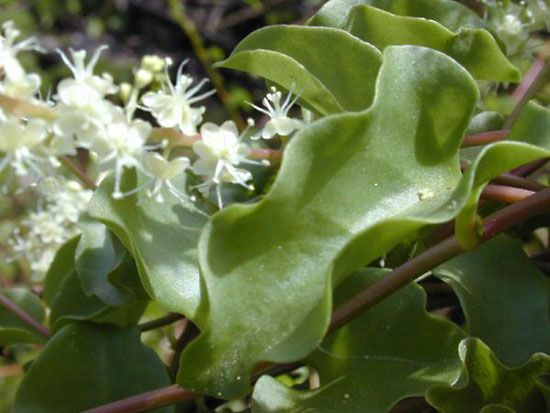
- Montia: Includes Montia perfoliata, known as miner’s lettuce or winter purslane, which is valued as an edible plant.1
- Lewisia: Frequently grown in rock gardens.1
- Talinum: Includes species such as Talinum calycinum, also cultivated in rock gardens.1
- Calandrinia: Another genus commonly utilized in rock garden settings.1
The classification of this family remains a subject of study, as the exact limits of the lineage are currently unclear.1
Are there any conservation concerns or threatened species within the Portulacaceae family?
How have plants from the Portulacaceae family been used by humans historically and in modern times?
Plants in the Portulacaceae family have served various human needs, ranging from nutritional sources to aesthetic cultivation.
Nutritional Uses
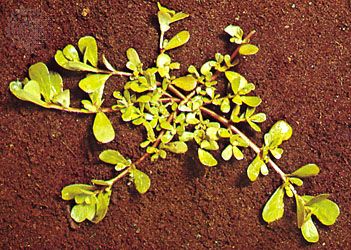
Historically, several species provided essential sustenance. Native Americans consumed the thick, starchy, and nutritious roots of the bitterroot (Lewisia rediviva), a plant famously named after Meriwether Lewis of the Lewis and Clark Expedition. Similarly, the corms of the lanceleaf spring beauty (Claytonia lanceolata) were historically eaten by Native Americans. In modern times, the leaves of miner’s lettuce, or winter purslane (Montia perfoliata), are consumed as an edible green, and Portulaca oleracea sativa (kitchen garden pusley) is grown as a potherb, particularly in Europe.134
Ornamental and Practical Uses
Many species are cultivated for their aesthetic appeal:
- Garden Ornamentals: Portulaca grandiflora (rose moss) is prized for its brightly colored flowers, while Claytonia virginica (spring beauty) and various species of Lewisia, Talinum, and Calandrinia are popular in rock gardens.341
- Specimen Plants: The purslane tree (Portulacaria afra) is grown as an indoor potted plant or a specimen plant for its succulent habit.4
What are the defining characteristics of plants in the Portulacaceae family?
The Portulacaceae family, commonly known as the purslane family, consists of approximately 15 genera and 500 species of flowering plants within the order Caryophyllales. These plants are primarily native to the Pacific coast of North America and southern South America.15
Morphological Characteristics
- Habit: Members are typically annual or perennial herbs or small shrubs, many of which are succulent.12
- Leaves: The leaves are often fleshy and may form rosettes at the base of the plant.1
- Flowers: The floral structure is distinct; while some sources note the presence of two sepals and typically five petals, others describe flowers as having two to six petal-like sepals enclosed by two green, sepal-like bracteoles. The flowers are generally small, though they can be larger in cultivated species such as Portulaca grandiflora.12
- Fruit: The fruit is a capsule that opens by splitting either vertically or horizontally.2
The exact boundaries of the Portulacaceae family remain a subject of botanical study, with potential links to Didieraceae, Basellaceae, Hectorellaceae, and Cactaceae.1
Sources
- Portulacaceae — Encyclopædia Britannica
- Caryophyllales - Other families — Encyclopædia Britannica
- purslane — Encyclopædia Britannica
- Caryophyllales - Portulacaceae — Encyclopædia Britannica
- Caryophyllales — Encyclopædia Britannica
Published on · 2 min read