Oil Plant
Plants produce oils primarily through a complex metabolic process known as fatty acid synthesis. This energy-intensive process begins with the conversion of…
How do oil plants produce and store their oils?
Plants produce oils primarily through a complex metabolic process known as fatty acid synthesis. This energy-intensive process begins with the conversion of acetyl coenzyme A into malonyl coenzyme A, a reaction catalyzed by the enzyme acetyl CoA carboxylase. Through repeated cycles involving an acyl-carrier protein (ACP) and a multienzyme complex called fatty acid synthetase, two-carbon units are added to the growing chain until a 16- or 18-carbon fatty acid is formed. These fatty acids are then combined with glycerol to form lipids, which serve as a concentrated energy reserve.12
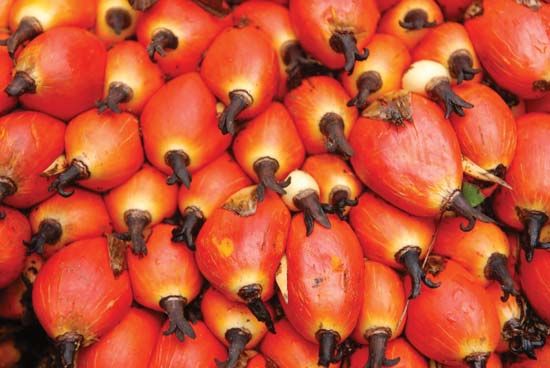
Plants store these oils in large amounts, most commonly within their seeds to provide high-energy food for the germinating plant. In some species, such as the oil palm and the olive, oil is also stored in the fleshy parts of the fruit. Depending on the species, these seeds can contain anywhere from 1 percent to more than 60 percent oil by weight.2
What are some lesser-known oil plants with potential for future commercial use?
While major oil crops like soybeans and oil palms dominate current production, researchers are increasingly looking toward alternative sources to mitigate the “food versus fuel” debate and reduce environmental impacts.
Lesser-known or emerging candidates for future commercial use include:
- Algae: Considered a highly promising source for biodiesel, algae can potentially offer a greater energy gain than traditional crops. Because they do not require arable land, they avoid competing with the human food chain.14
- Cellulosic Biomass: This involves using nonedible plant parts, such as agricultural waste or dedicated energy crops, to produce cellulosic ethanol. This approach is more environmentally beneficial than first-generation biofuels because it utilizes waste rather than food-grade feedstock.14
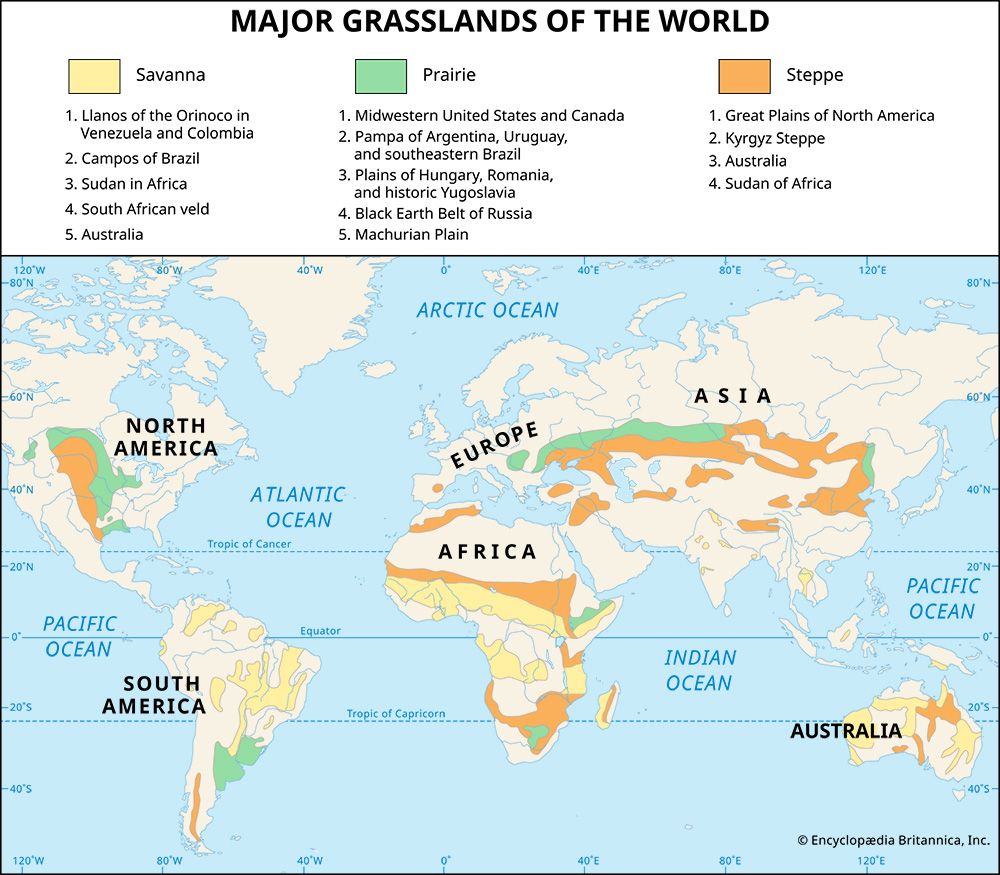
- Diverse Prairie Mixtures: Rather than relying on monocultures, researchers are exploring the use of highly diverse species mixtures, such as North American tallgrass prairie. These can be grown on degraded agricultural land, helping to restore soil fertility, reduce erosion, and sequester carbon.1
- Weed Seeds: Seeds removed from cereal grains in large elevators, such as wild radish and wild mustard, are already being processed for oil, representing an efficient use of agricultural by-products.5
How has the cultivation of oil plants changed throughout history?
The cultivation and use of oil plants have evolved significantly from ancient practices to modern industrial-scale production. Historically, humans have utilized plant oils since the beginning of recorded history for essential needs such as oil-burning lamps, anointing, and cooking. Ancient civilizations, including the Greeks and Romans, relied on oils from sources like olives, sesame, and various nuts for illumination and fuel.16
The scope of these crops expanded alongside industrial and dietary shifts:
- Industrialization: In the 19th century, the development of margarine in France created a new market for vegetable oils as butter substitutes. Simultaneously, the rise of the petroleum industry eventually shifted the primary source of industrial lubricants and fuel away from plant-based oils like castor oil.16
- Technological Advancements: The 20th century saw a massive surge in production, exceeding 100 billion pounds annually. Innovations such as the solvent extraction process significantly increased oil yields from crops like the soybean, transforming it from a rare garden plant into a global commodity.17
- Genetic Improvement: Modern cultivation utilizes hybridization and genetic modification to engineer crops with superior yields, disease resistance, and specific environmental adaptations.7
What are the main types of oil plants used in botany and agriculture?
Oil plants are defined as any plant, whether cultivated or wild, that serves as a source of oil. These plants store oil primarily in their seeds, though some, such as the oil palm and olive, store it in the fleshy parts of their fruit.1
Botanically and agriculturally, these plants are categorized by their growth requirements and primary uses:
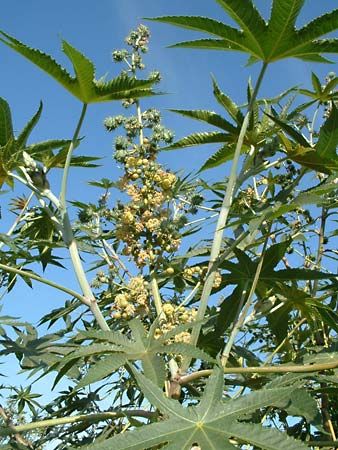
- Tropical and Semitropical Crops: Many major oil-producing plants thrive in warm climates, including the oil palm, coconut palm, and castor bean1.
- Temperate Crops: In cooler regions, common oil crops include the soybean, flax, sunflower, and various members of the mustard family.1
- Industrial By-products: Some oils are obtained as secondary products from other industries, such as corn oil or cottonseed oil. Additionally, weed seeds like wild radish and wild mustard are sometimes processed for their oil content.1
Beyond the oil itself, the residual meal or cake left after extraction is a vital agricultural by-product often used as a protein concentrate for livestock.1
Sources
- Oil plant — Encyclopædia Britannica
- vegetable oil — Encyclopædia Britannica
- Metabolism - Fatty acids — Encyclopædia Britannica
- biofuel - Economic and environmental considerations — Encyclopædia Britannica
- Corn - Biofuel — Encyclopædia Britannica
- petroleum - Extraction from underground reservoirs — Encyclopædia Britannica
- Origins of agriculture - The soybean — Encyclopædia Britannica
- oilseed — Merriam-Webster
- economy of India - Crops — Encyclopædia Britannica
- oil plant — Merriam-Webster
Published on · 3 min read