Oleander
While the common oleander (Nerium oleander) is the most widely recognized species, it is important to note that all parts of these plants are highly toxic if…
What are some of the most popular cultivars of oleander and their distinct features?
While the common oleander (Nerium oleander) is the most widely recognized species, it is important to note that all parts of these plants are highly toxic if ingested and can cause skin irritation upon contact. When handling or selecting these plants for cultivation, one must prioritize safety and exercise extreme caution.1
The genus Nerium includes several varieties developed for their ornamental qualities:
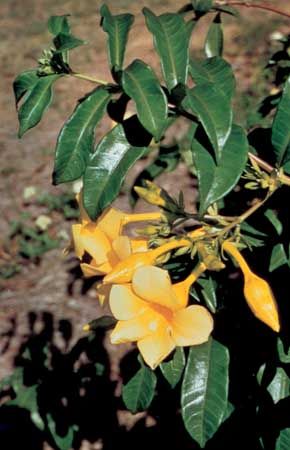
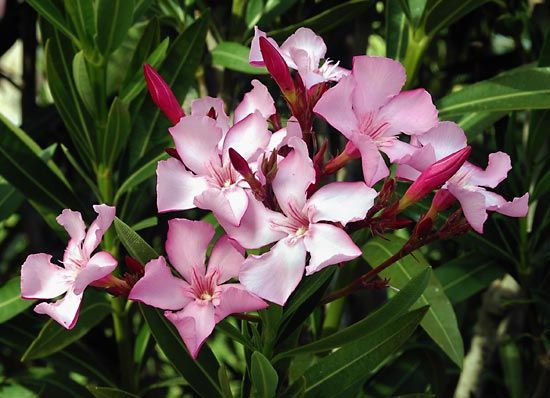
- Common Oleander (N. oleander): Often referred to as rosebay, this tall, evergreen shrub is native to the Mediterranean. It is characterized by thick, lance-shaped leaves and terminal clusters of flowers, which are typically rose-colored but can occasionally be found in white or yellow varieties.1
- Sweet Oleander (N. indicum): This is a smaller plant compared to the common oleander. Its most distinct feature is its fragrant, vanilla-scented flowers.1
Because these plants are widely grown in warm climates, they have been a subject of interest for gardeners for centuries, with numerous varieties introduced through cultivation.1
What are the key characteristics of oleander plants?
Oleander refers to ornamental evergreen shrubs within the dogbane family. These plants are defined by several key characteristics:
- Toxicity: All parts of the plant are highly toxic if ingested, and contact with the plant can cause skin irritation. It is essential to handle these plants with extreme caution.1
- Physical Structure: They are typically tall, shrubby plants with thick, lance-shaped leaves that grow in opposite or whorled arrangements.12
- Flowers: The flowers grow in terminal clusters. While the common oleander is known for its rose-colored blooms, they can also appear in white or yellow. Some varieties, such as the sweet oleander (N. indicum), are noted for their vanilla-scented flowers.12
- Reproduction: The plant produces fruit in the form of two long pods. These pods release seeds that each feature a tuft of silky hairs.1
Historically, these plants have been recognized for their beauty and their dangerous, poisonous qualities since ancient times.1
How has oleander been depicted in art and literature throughout history?
The depiction of the oleander in history is primarily rooted in its dual nature: its aesthetic beauty and its inherent toxicity. Ancient Greek writers, including Pliny the Elder, documented the plant under several names, such as rhododendron, nerion, and rhododaphne. These early accounts consistently highlighted the plant’s roselike flowers alongside its dangerous, poisonous qualities, establishing a literary tradition that emphasizes the contrast between its visual appeal and its lethal potential.1
While the plant has been a subject of botanical and historical interest since antiquity, its specific appearances in broader art and literature are often tied to these established characteristics of beauty and danger. The plant’s long history of cultivation in greenhouses and gardens has ensured its presence in the cultural consciousness, though it remains a symbol of caution due to its toxic milky juice.1
How toxic are oleander plants, and what parts of the plant contain the most toxins?
Oleander (Nerium oleander) is a highly toxic plant, and it is important to treat it with extreme caution. All parts of the plant are considered deadly because they contain potent cardiac glycosides known as oleandrin and neriine.1
These toxins are powerful enough that even small amounts can cause severe health issues if ingested, including vomiting, diarrhea, erratic pulse, seizures, coma, and death. Additionally, the plant’s sap and leaves are known to cause skin irritation upon contact. The toxicity is so significant that individuals have even become ill after consuming honey produced by bees that visited oleander flowers.14
While the plant is lethal, fatalities are relatively rare because the vegetation is very bitter, which typically deters people and animals from consuming it. Because the entire plant—including the leaves, stems, and sap—contains these dangerous compounds, there is no single “most toxic” part; the plant should be viewed as hazardous in its entirety.14
Sources
- Oleander — Encyclopædia Britannica
- Nerium — Merriam-Webster
- oleander — Merriam-Webster
- 7 of the World’s Deadliest Plants — Encyclopædia Britannica
- cardiovascular drug - Contractions — Encyclopædia Britannica
Published on · 3 min read