Oleaceae
Plants in the Oleaceae family, commonly known as the olive family, offer several medicinal and health-related applications.
Are there any medicinal uses for plants in the Oleaceae family?
Plants in the Oleaceae family, commonly known as the olive family, offer several medicinal and health-related applications.
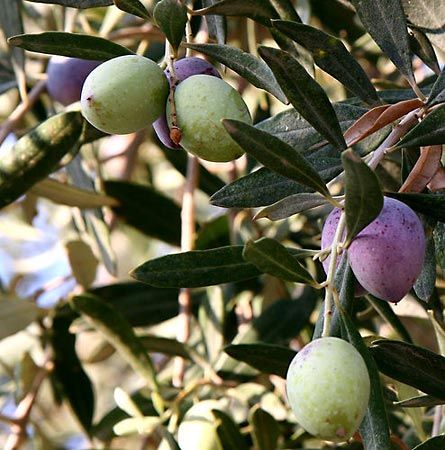
The most prominent example is the olive tree (Olea europaea). Its fruit yields olive oil, which is utilized in the pharmaceutical industry for medicinal purposes4. Furthermore, the consumption of olive oil—particularly extra-virgin olive oil—is a key component of the Mediterranean diet and is associated with significant health benefits, including a reduced risk of cardiovascular disease and type 2 diabetes mellitus. Research also suggests that it may help reduce brain inflammation and protect against memory loss associated with dementia.1
Additionally, the bark of the ash tree (Fraxinus), which also belongs to the Oleaceae family, contains a bitter, crystalline glucoside known as fraxin.2
It is important to note that while some plants in this family have medicinal uses, one should not confuse the olive family with the oleander, which belongs to the dogbane family and is highly toxic.3
What role do Oleaceae plants play in various ecosystems?
Plants in the Oleaceae family, which includes approximately 615 species of woody trees and shrubs, play significant roles in various ecosystems worldwide. Primarily native to forested regions, these plants are essential components of deciduous forests, wetlands, and riparian habitats.18
As foundational species, particularly in the case of ash trees (Fraxinus), they serve as critical members of the food web. Numerous insects, including at least 20 species of moths and butterflies, are specialists that depend on these trees for survival.8
However, the ecological balance provided by these plants can be severely disrupted by invasive species. The emerald ash borer, for instance, has caused the death of hundreds of millions of ash trees in North America. This massive loss of trees alters ecosystems by:
- Opening the forest canopy, which facilitates the spread of invasive plant species that further degrade the environment.8
- Increasing vulnerability to intense wildfire due to the accumulation of heavy fuel loads from dead trees.8
- Disrupting the local food web, as native species dependent on the trees lose their habitat and food source.8
How have Oleaceae plants been used historically in different cultures?
Plants in the Oleaceae family have held significant cultural and economic importance for thousands of years.
The Olive Tree (Olea europaea)
The olive tree is perhaps the most historically significant member of the family. Cultivation of the edible olive dates back to approximately 3500 BCE on the island of Crete, with Semitic peoples cultivating it by 3000 BCE. By 600 BCE, it was a vital crop for the Romans. Historically, olive oil served various functions beyond nutrition, including as a fuel for lamps and as a substance for anointing the body, a practice noted during the time of Homer. Furthermore, the olive branch has been recognized since at least the 14th century as a potent symbol of peace and conciliation.19
Fragrant and Ornamental Uses
Many other Oleaceae species are prized for their aesthetic and aromatic qualities:
- Jasmine: In China and Japan, dried flowers of certain jasmine species and Osmanthus are used to scent teas. In Hawaii, the fragrant flowers of Jasminum sambac are traditionally used to create leis. Additionally, jasmine oil has long been extracted in Spain and southern France for use in the perfume industry.10
- Landscaping: Genera such as Ligustrum (privet) and Phillyrea (mock privet) have been historically utilized for ornamental plantings and hedges.10
What are the unique floral characteristics of Oleaceae plants?
The flowers of plants in the Oleaceae family are characterized by a consistent structural plan that distinguishes them from many other members of the order Lamiales.
Floral Structure
Most Oleaceae flowers exhibit the following features:
- Symmetry: Unlike many other Lamiales that possess bilaterally symmetric flowers, Oleaceae flowers typically display regular, radial symmetry.114
- Perianth: They generally feature four sepals and four petals. The petals are usually joined at the base to form a tube.214
- Androecium: A defining characteristic is the presence of only two stamens, which are attached to the petals (epipetaly).2114
- Gynoecium: The flowers contain two fused carpels that form a single superior ovary, typically with two ovules per locule.214
Aesthetic and Sensory Traits
Many genera within the family are cultivated specifically for their floral appeal:
- Color: While white is the most common flower color, there is notable diversity; for example, lilacs bloom in a range of colors, while forsythia and certain jasmine species are yellow.2
- Fragrance: Genera such as Jasminum, Syringa, and Osmanthus are particularly noted for their sweet, intense fragrance, which has led to their use in perfumes and the scenting of teas.2
Sources
- Oleaceae — Encyclopædia Britannica
- Lamiales - Oleaceae — Encyclopædia Britannica
- jasmine — Encyclopædia Britannica
- olive oil — Encyclopædia Britannica
- oleander — Encyclopædia Britannica
- fraxin — Merriam-Webster
- Oleaceae — Merriam-Webster
- emerald ash borer — Encyclopædia Britannica
- olive branch — Merriam-Webster
- olive tree — Merriam-Webster
- jasmine oil — Merriam-Webster
- Olive — Encyclopædia Britannica
- Arabian jasmine — Merriam-Webster
- Lamiales - Order characteristics — Encyclopædia Britannica
Published on · 3 min read