Frangipani
Frangipani refers to a genus of about 12 species of deciduous shrubs or small trees known as Plumeria, which belong to the dogbane family (Apocynaceae).…
What is frangipani?
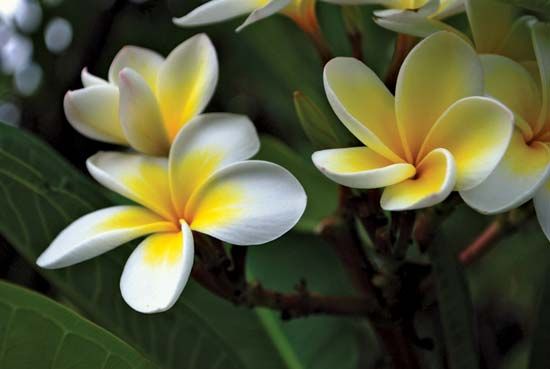
Frangipani refers to a genus of about 12 species of deciduous shrubs or small trees known as Plumeria, which belong to the dogbane family (Apocynaceae). Native to the New World tropics, these plants are widely cultivated in warm climates as ornamentals for their fragrant flowers.12
The term also refers to a perfume that is either derived from or imitates the scent of these blossoms. Notably, the flowers of the Mexican frangipani (Plumeria rubra acutifolia) are frequently used in the creation of the Hawaiian lei. The name itself is a modification of the Italian frangipane, named after the 16th-century nobleman Muzio Frangipane.12
What are some other plants in the dogbane family?
The Apocynaceae family, commonly known as the dogbane family, comprises approximately 400 genera of flowering plants, including trees, shrubs, woody vines, and herbs. Many members are cultivated as ornamentals for their attractive foliage and flowers.3
Notable plants within this family include:
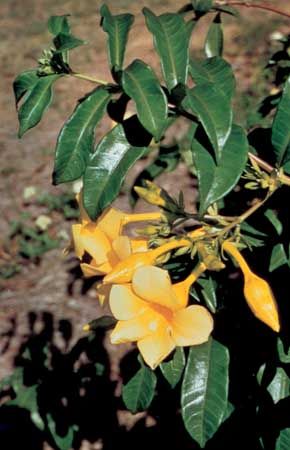
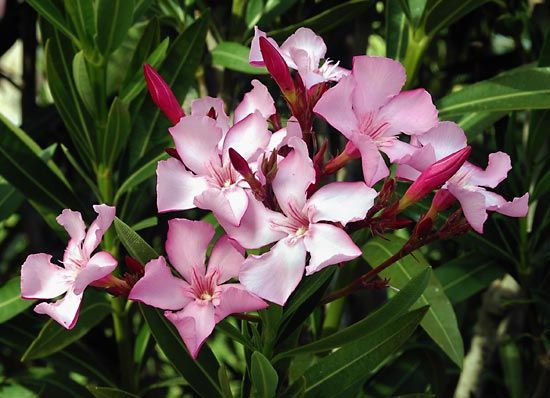
- Ornamental Shrubs and Trees: Oleander, yellow oleander (Thevetia), Natal plum (Carissa), crepe jasmine (Tabernaemontana divaricata), and the impala lily (Adenium multiflorum).3
- Vines: Star jasmine (Trachelospermum jasminoides), Mandevilla, and Allamanda.3
- Herbs and Perennials: Periwinkle (Vinca), dogbane (Apocynum), and bluestar (Amsonia).3
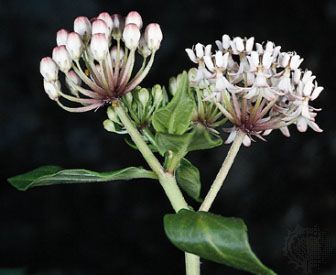
- Milkweeds: Common milkweed (Asclepias syriaca), bloodflower (A. curassavica), and butterfly weed (A. tuberosa).3
- Succulents: Adenium, Pachypodium, Hoodia, Huernia, and the carrion flower (Stapelia).3
- Medicinal Plants: Species of the genera Strophanthus and Rauvolfia are utilized for their alkaloids in medicinal applications.3
How are leis traditionally made in Hawaii?
In Hawaii, the lei is a traditional garland or necklace used as a gesture of welcome or farewell. While modern versions are most commonly crafted from flowers such as carnations, ginger blossoms, jasmine, or orchids, the practice originated with indigenous Hawaiians who created these adornments using a variety of natural materials.5
Traditionally, these necklaces were woven from leaves or ferns. In addition to plant materials, Hawaiians also strung together dried shells, fruits, beads, and bright feathers for personal decoration. Typically measuring about 18 inches (46 cm) in length, the lei is bestowed with a kiss as a symbol of hospitality. The cultural significance of this tradition is celebrated annually on May 1, known as Lei Day, which honors the Hawaiian spirit of friendliness.5
What makes a plant considered a tropical ornamental?
A plant is generally considered a tropical ornamental if it originates from tropical or subtropical regions and is cultivated primarily for its aesthetic value, such as its foliage or flowers. These plants are valued in ornamental horticulture for their decorative appeal, which includes unique leaf patterns, vibrant colors, and distinct forms.78910
Key characteristics that define these plants include:
- Climatic Origin: They are native to environments where temperatures remain consistently warm and rainfall is often abundant, such as tropical rainforests. Because of this, many species require specific environmental controls, such as high humidity, warmth, and protection from cold drafts, when grown outside their native habitats.117910
- Adaptability: While many are native to the forest floor or canopy of tropical regions, a significant number have been introduced as houseplants because they can adapt to the indoor conditions of temperate homes, including lower light intensity and drier air.79
- Aesthetic Features: They are categorized by their visual contributions to a space. Foliage plants are prized for their leathery, variegated, or patterned leaves—such as philodendrons or bromeliads—while flowering ornamentals are kept specifically for their blooms.79
Sources
- frangipani — Encyclopædia Britannica
- frangipani — Merriam-Webster
- Apocynaceae — Encyclopædia Britannica
- Apocynaceae — Merriam-Webster
- Lei — Encyclopædia Britannica
- lei — Merriam-Webster
- houseplant - Types of houseplants — Encyclopædia Britannica
- horticulture - Ornamental horticulture — Encyclopædia Britannica
- Tropical rainforest - Environment — Encyclopædia Britannica
- houseplant - Foliage plants — Encyclopædia Britannica
- houseplant - Trees — Encyclopædia Britannica
- orchid - Ecology — Encyclopædia Britannica
- horticulture - Trees — Encyclopædia Britannica
Published on · 3 min read