Ometepe Island
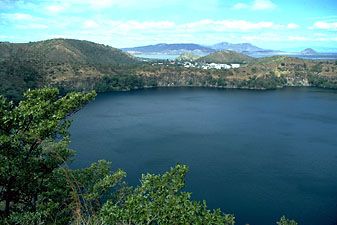
Ometepe Island is located in southwestern Nicaragua, situated within Lake Nicaragua. It lies approximately 8 miles east-northeast of the town of Rivas and 5…
Where is Ometepe Island located and what are its unique geographical features?
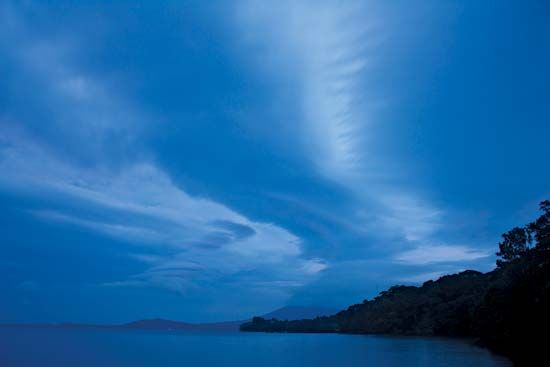
Ometepe Island is located in southwestern Nicaragua, situated within Lake Nicaragua. It lies approximately 8 miles east-northeast of the town of Rivas and 5 miles offshore.1
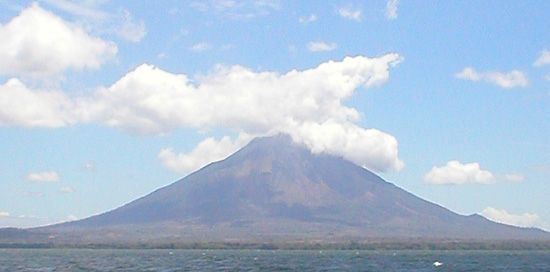
The island is defined by its unique volcanic geography, consisting of two distinct volcanic cones joined by a narrow isthmus known as the Tistian Isthmus. Its primary features include:12
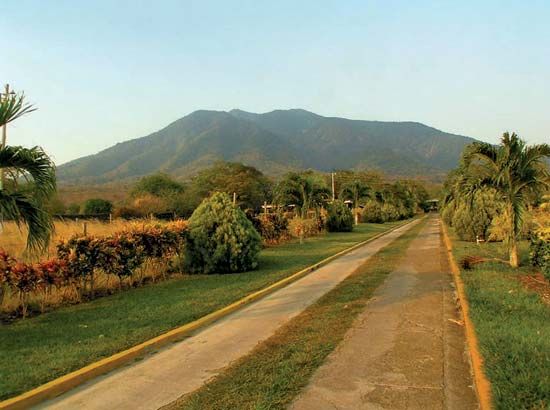
- Volcanic Peaks: The northern half is dominated by the active Concepción Volcano, which rises to 5,282 feet (1,610 metres). The southern half features the Madera Volcano, a perfect cone reaching 4,573 feet (1,394 metres).13
- Terrain and Land Use: The island covers about 107 square miles (276 square km) and is characterized by fertile, largely forested land used for producing coffee and tobacco.1
- Archaeological Significance: Ometepe is a preeminent site for pre-Columbian artifacts, including ceramics and statuary, which provide evidence of ancient North and South American civilizations.2
What is the cultural and historical significance of Ometepe Island to Nicaragua?
Ometepe Island holds significant cultural and historical importance for Nicaragua, primarily as a preeminent archaeological site. It serves as a vital repository for pre-Columbian artifacts, including ceramics and statuary, which provide researchers with evidence of ancient North and South American civilizations that once inhabited the region.12
Beyond its archaeological value, the island is a key feature of the national landscape. Its unique geography—formed by the Concepción and Madera volcanoes joined by the Tistian Isthmus—has made it a focal point for tourism, drawing visitors to experience its natural beauty and historical heritage. While the broader Lake Nicaragua region has a history marked by colonial-era pirate raids and 19th-century transit routes for gold prospectors, Ometepe remains a distinct cultural landmark that reflects the deep indigenous roots of the country. Today, the island continues to be recognized for its fertile land, which supports the production of coffee and tobacco, further cementing its role in the local economy.12
How were the two volcanoes on Ometepe Island formed, and are they still active?
Ometepe Island was formed by two originally separate volcanoes, Concepción and Madera, which were eventually joined by a bridge of lava known as the Tistian Isthmus. The region’s volcanic activity is a result of its location in Central America, where multiple tectonic plates converge and exert pressure on one another.324
Regarding their current status:
- Concepción Volcano: This is one of Nicaragua’s most active volcanoes. It has experienced frequent eruptions since its first recorded activity in 1883.56
- Madera Volcano: In contrast to its northern neighbor, Madera is considered dormant.7
What are some popular tourist attractions and activities on Ometepe Island?
Ometepe Island has become a popular destination for travelers due to its unique combination of natural beauty, archaeological significance, and historical landmarks. Visitors to the island can engage in a variety of activities centered around its distinct geography and cultural heritage:
- Volcano Hiking: Adventurous tourists often hike the Concepción Volcano, which rises to 5,282 feet, or the dormant Madera Volcano, known for its perfect conical shape and elevation of 4,573 feet.1
- Archaeological Exploration: As a significant site for pre-Columbian history, the island offers opportunities to view ancient artifacts and statuary that provide insight into the indigenous civilizations that once inhabited the region.1
- Nature and Agriculture Tours: The island is largely forested and features fertile land used for the production of coffee and tobacco. Visitors can explore these agricultural landscapes and enjoy the island’s diverse natural environment.1
- Town Visits: Travelers frequently visit the main towns of Alta Gracia and Moyogalpa to experience local culture and access services while exploring the island.1
Sources
- Ometepe Island — Encyclopædia Britannica
- Lake Nicaragua — Encyclopædia Britannica
- Concepción Volcano — Encyclopædia Britannica
- world’s major volcanoes — Encyclopædia Britannica
- Madera Volcano — Encyclopædia Britannica
- Central America: Top Questions — Encyclopædia Britannica
- volcanism — Encyclopædia Britannica
Published on · 3 min read