Palawan
The provided search results do not contain specific information regarding traditional customs or festivals that are unique to the island of Palawan.
What traditional customs or festivals are unique to Palawan?
The provided search results do not contain specific information regarding traditional customs or festivals that are unique to the island of Palawan.
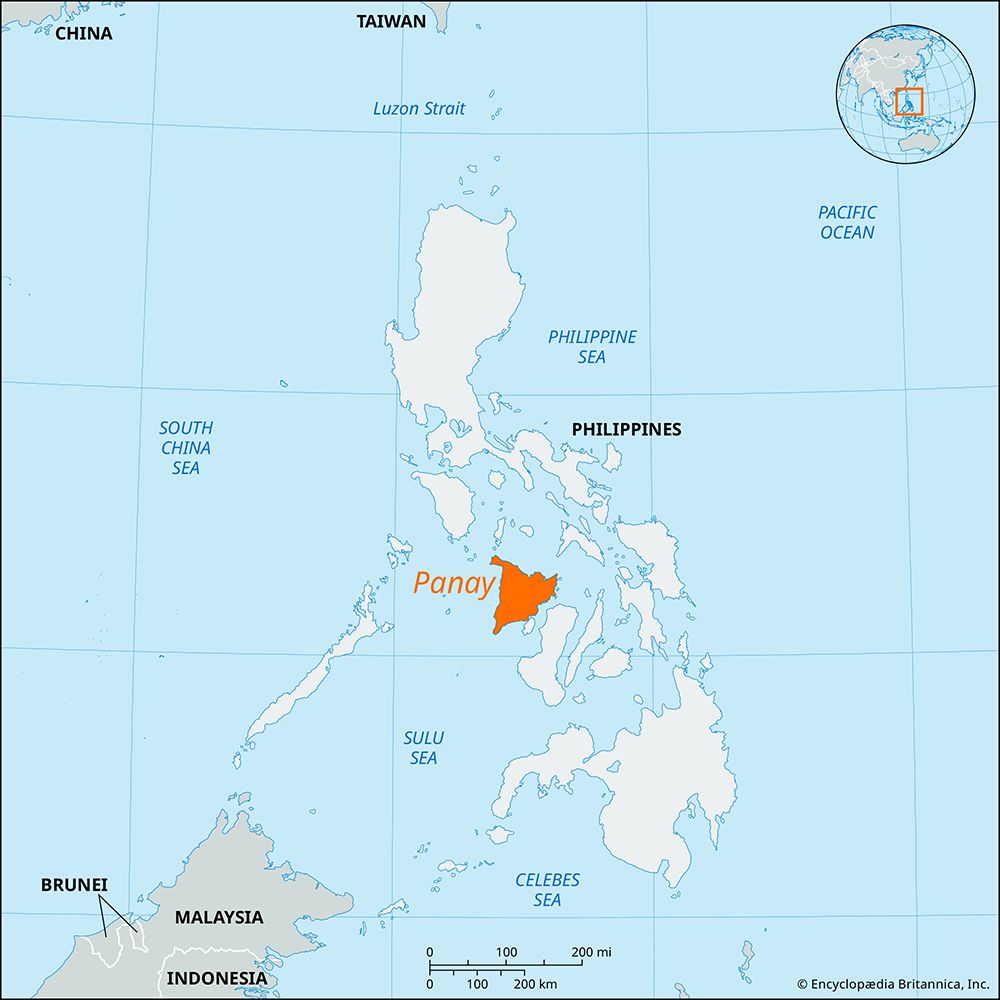
While the search results identify the Batah, Palawan, and Tagbanua as indigenous ethnic groups residing on the island, they do not detail their specific cultural practices or festivals. The information provided about the Ati-Atihan Festival pertains to Panay Island and the Aklan province, rather than Palawan.
How does Palawan’s climate differ from other parts of the Philippines?
Palawan’s climate is defined by its position as a western island facing the South China Sea, which results in a climate characterized by the most marked wet and dry seasons in the Philippines. While the country generally experiences a tropical, monsoonal climate, Palawan’s western orientation ensures a distinct dry season that typically begins in December and lasts until May, followed by a wet season for the remainder of the year.6
Unlike the eastern regions of the archipelago, which face the Pacific Ocean and experience the heaviest rainfall, Palawan benefits from a more defined seasonal shift. Furthermore, while the frequency of tropical cyclones generally increases from south to north across the country, Palawan remains susceptible to these storms, as evidenced by the significant damage caused to the northern Calamian Group by Super Typhoon Haiyan in 2013. Overall, temperatures across the island remain relatively constant throughout the year, consistent with the broader national climate patterns.61
Where is Palawan located and what are its main geographical features?
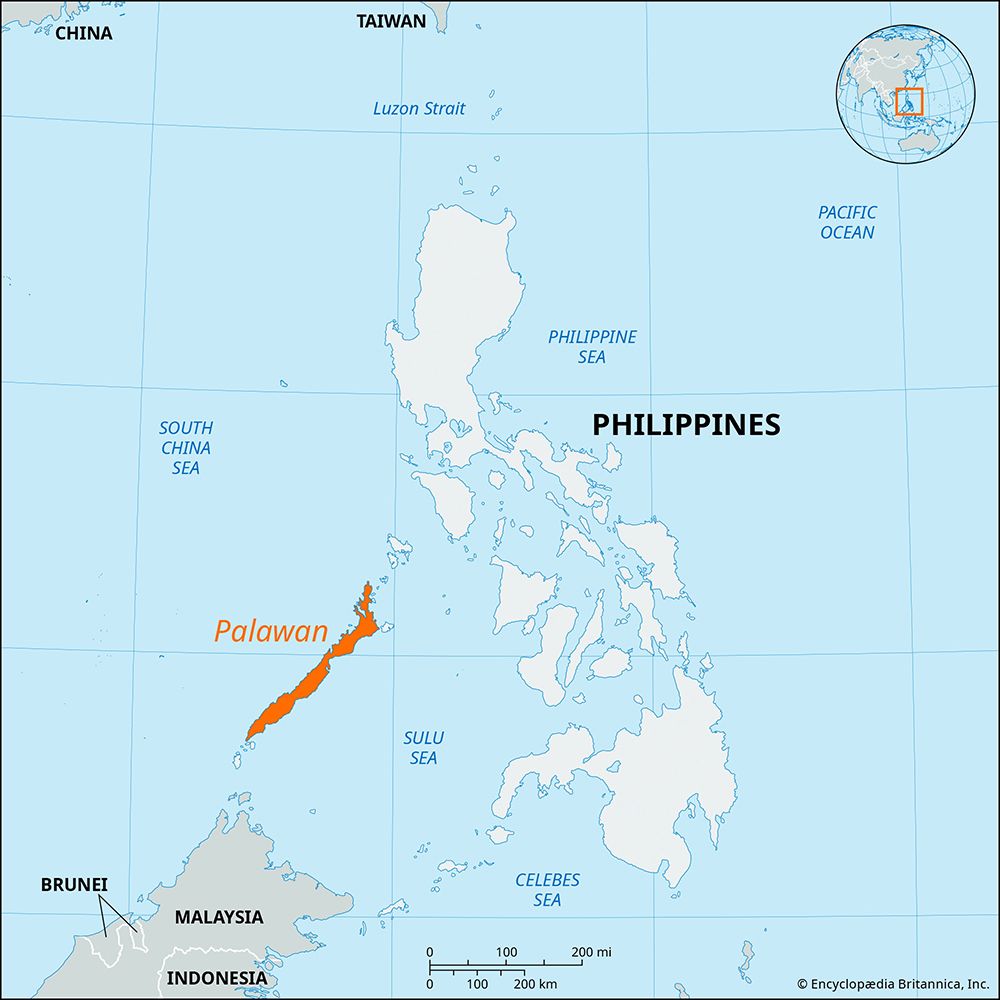
Palawan is the southwesternmost large island of the Philippines. It is a long, narrow island trending northeast-southwest between the South China Sea and the Sulu Sea.
Its primary geographical features include:
- Mountainous Backbone: A range runs the entire 270-mile (434-km) length of the island, with Mount Mantalingajan in the south serving as the highest peak at 6,840 feet (2,085 meters).1
- Coastline and Islands: The island features a long, irregular coastline fringed with coral reefs. It is surrounded by approximately 1,800 smaller islands and islets, including the Calamian, Dumaran-Cuyo, and Balabac-Bugsuk groups.1
- Coastal Plains: A discontinuous coastal plain, which rarely extends more than 5 miles (8 km) inland, supports the majority of the population and serves as the primary agricultural area.1
- Geological History: The southern archipelago is a remnant of a land bridge that connected Palawan to Borneo during the Pleistocene Epoch, which explains why the island’s flora and fauna are more closely related to Borneo than to other Philippine islands.1
What are the major industries that drive Palawan’s economy besides tourism?
Beyond tourism, Palawan’s economy is driven by several key sectors, primarily agriculture, fishing, and resource extraction.
Agriculture and Fishing
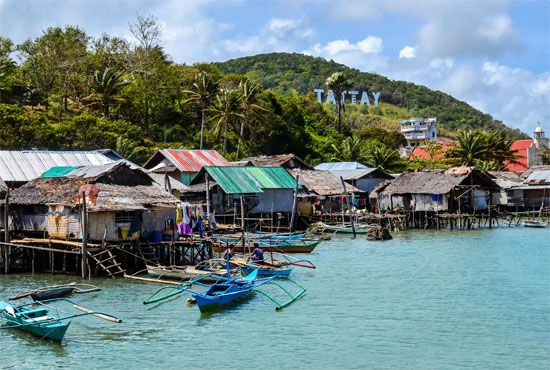
Agriculture is a foundational activity, largely concentrated on the island’s discontinuous coastal plains. Rice serves as the primary food crop, supplemented by the cultivation of corn, coconuts, beans, and sweet potatoes. Additionally, the island is a major hub for commercial fishing, with significant operations based in Puerto Princesa and Taytay that contribute to the national supply of fish.91
Mining and Energy
Palawan possesses diverse mineral resources, including deposits of mercury, silica, and chromite1. Furthermore, the island plays a critical role in the nation’s energy sector; petroleum and natural gas are extracted from offshore fields, which have helped reduce the country’s dependence on foreign oil imports.109
Sources
- Palawan — Encyclopædia Britannica
- Puerto Princesa — Encyclopædia Britannica
- Ati-Atihan Festival — Encyclopædia Britannica
- Ati-Atihan Festival: Top Questions — Encyclopædia Britannica
- Tagbanuwa — Merriam-Webster
- Philippines - Climate — Encyclopædia Britannica
- Philippines - Relief — Encyclopædia Britannica
- Palau - Plant and animal life — Encyclopædia Britannica
- Philippines - Resources and power — Encyclopædia Britannica
- Philippines - Agriculture, forestry, and fishing — Encyclopædia Britannica
Published on · 3 min read