Origins of Birds
The scientific consensus, supported by extensive fossil evidence, is that birds (class Aves) are descendants of small, bipedal carnivorous dinosaurs known as…
What is Origins of Birds?
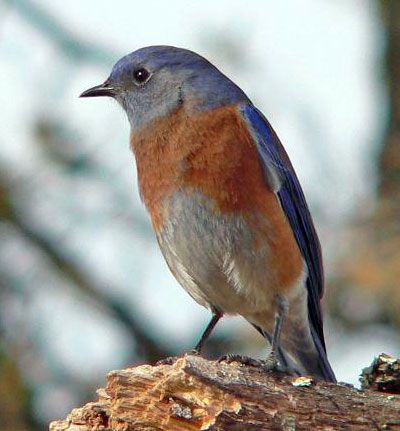
The scientific consensus, supported by extensive fossil evidence, is that birds (class Aves) are descendants of small, bipedal carnivorous dinosaurs known as theropods. In fact, modern ornithologists classify birds as feathered dinosaurs themselves.123
The evolution of birds was not driven by the initial development of flight. Instead, features such as feathers, hollow bones, and wishbones first appeared in non-avian theropods for purposes like insulation, camouflage, or courtship. Over time, these structures were adapted for flight.23
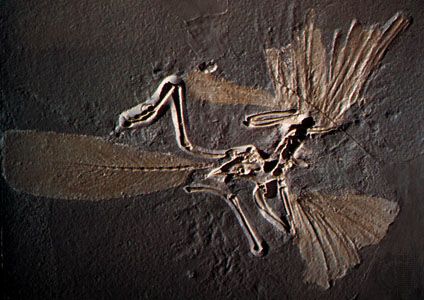
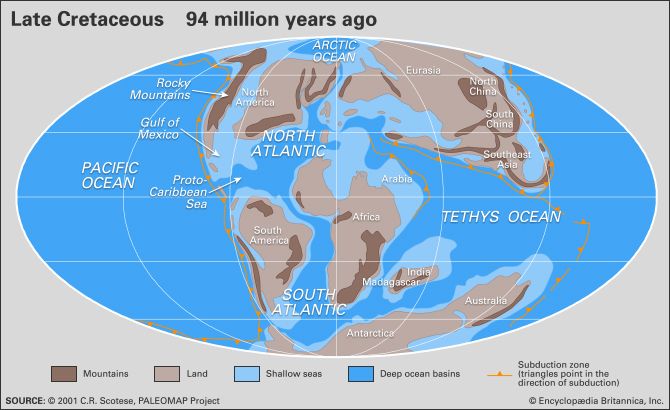
Archaeopteryx, discovered in 1861, has long been considered the earliest known birdlike dinosaur, though recent discoveries of older, similar fossils in China have led to ongoing debates regarding the precise classification of early avian ancestors. By the end of the Cretaceous Period, many groups of birds—including ancestors of modern species—were already well-established.4235
What was the original purpose of feathers before they were used for flight?
Before feathers were adapted for flight, they served several critical biological functions. Scientific evidence indicates that these structures evolved long before the emergence of avian flight, likely originating in a common ancestor of dinosaurs and pterosaurs.67
The primary purposes of early feathers included:
- Thermal Insulation: Simple, filamentous structures provided warmth, helping to regulate and stabilize body temperature, which suggests that many dinosaurs were warm-blooded.879
- Communication and Display: Feathers likely played a role in social signaling, such as courtship or species recognition, and may have been used for camouflage to blend into their environments.879
- Brooding: In some lineages, such as oviraptorosaurs, long feathers helped parents protect and keep their eggs warm while nesting.8
- Water Repellency: Early feathers may have also provided protection against the elements by repelling water.7
While some early hypotheses suggested feathers might have helped dinosaurs balance while running or assisted in beating down insect prey, the consensus is that their initial evolutionary utility was rooted in insulation and social interaction rather than aerodynamics.879
How do scientists distinguish between a primitive bird and a feathered dinosaur?
Distinguishing between a primitive bird and a feathered dinosaur is a complex challenge for paleontologists because birds are biologically classified as a specialized group of theropod dinosaurs.5 Because many traits once considered unique to birds—such as feathers, wishbones, and hollow bones—were already present in non-avian dinosaurs, scientists look for specific anatomical transitions rather than a single defining feature.1025
Key areas of focus include:
- Skeletal Specialization: Scientists examine the fusion of elements, such as the carpometacarpus (fused hand bones) and the development of a pygostyle (fused tail vertebrae), which are characteristic of birds but absent in more primitive feathered dinosaurs.1112
- Flight Adaptations: While some feathered dinosaurs could glide or perform short bursts of movement, researchers look for evidence of powered flight, such as a keeled sternum for muscle attachment and specific wing structures capable of handling flight-related stresses.21112
- Phylogenetic Context: Paleontologists use the Paraves group to categorize these animals, noting that the line between “dinosaur” and “bird” is often a matter of evolutionary degree rather than a sharp biological divide.210
What other physical traits did birds inherit from their theropod ancestors?
Birds inherited a wide array of physical traits from their theropod ancestors, many of which were originally adapted for functions like predation, locomotion, or respiration long before they were repurposed for flight.
Key inherited traits include:
- Skeletal Structure: Birds share a distinctive wishbone (furcula) and a similar pelvis with many theropods. Additionally, the hollow bones found in birds—which reduce weight for flight—were a common feature in the hind limbs of theropod dinosaurs, where they likely served to lighten the skeleton for agility.11123
- Wrist Anatomy: The unique wrist joint that allows birds to fold their wings against their bodies is inherited from theropods. In dinosaurs like Deinonychus and Velociraptor, this joint allowed the hand to flex sideways, a motion originally used for grasping and catching prey.3
- Respiratory System: The efficient, unidirectional respiratory system of birds, which utilizes air sacs to maintain constant airflow, is believed to have roots in the anatomy of theropod dinosaurs.14
- Vocal Structures: While the syrinx is the specialized organ birds use for song, scientists suggest that theropods possessed similar larynx-like structures or transitional organs that allowed them to produce growls, hisses, or other vocalizations.15
- Foot Structure: The basic avian foot, characterized by three forward-facing toes and one hind toe, is a direct inheritance from theropod ancestors, who were obligatory bipeds.1112
Sources
- Bird - The origin of birds — Encyclopædia Britannica
- Archaeopteryx — Encyclopædia Britannica
- dinosaur - Dinosaur descendants — Encyclopædia Britannica
- Bird - Evolution and paleontology — Encyclopædia Britannica
- Origins of Birds — Encyclopædia Britannica
- Did Dinosaurs Really Have Feathers? — Encyclopædia Britannica
- feathered dinosaur — Encyclopædia Britannica
- Bird - The origin of feathers — Encyclopædia Britannica
- dinosaur: Top Questions — Encyclopædia Britannica
- How Do We Know That Dinosaurs May Have Had Feathers? — Encyclopædia Britannica
- Bird - Skeleton — Encyclopædia Britannica
- dinosaur - Theropoda — Encyclopædia Britannica
- Bird - Fossil birds — Encyclopædia Britannica
- Respiratory system - Birds — Encyclopædia Britannica
- How Do We Know What Dinosaurs Sounded Like? — Encyclopædia Britannica
Published on · 3 min read