Owens River
The Los Angeles Aqueduct system interacts with the Owens River by diverting its water to supply the city of Los Angeles. Completed in 1913 under the…
How does the Los Angeles Aqueduct system interact with the Owens River?
The Los Angeles Aqueduct system interacts with the Owens River by diverting its water to supply the city of Los Angeles. Completed in 1913 under the direction of engineer William Mulholland, the system uses gravity to transport water from the eastern slopes of the Sierra Nevada through a network of canals, pipes, and tunnels.1
This diversion has had profound consequences:
- Ecological Impact: The removal of water essentially drained Owens Lake, resulting in severe alkaline dust storms and significant environmental damage.2
- Social Conflict: The project sparked the “water wars,” characterized by intense disputes over water rights and violent resistance from Owens Valley residents, who saw their local water supply depleted.23
- Restoration Efforts: The Lower Owens River Project was later established to facilitate joint management of water rights between Los Angeles and Inyo counties, aiming to restore wetland habitats along approximately 60 miles of the river.2
What is the length of the Owens River and what are its main tributaries?
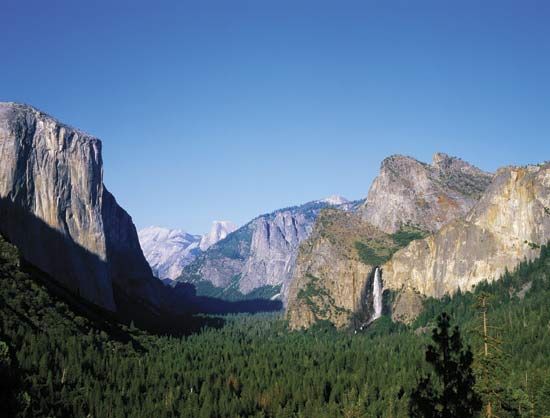
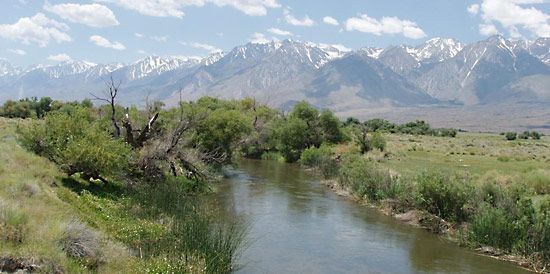
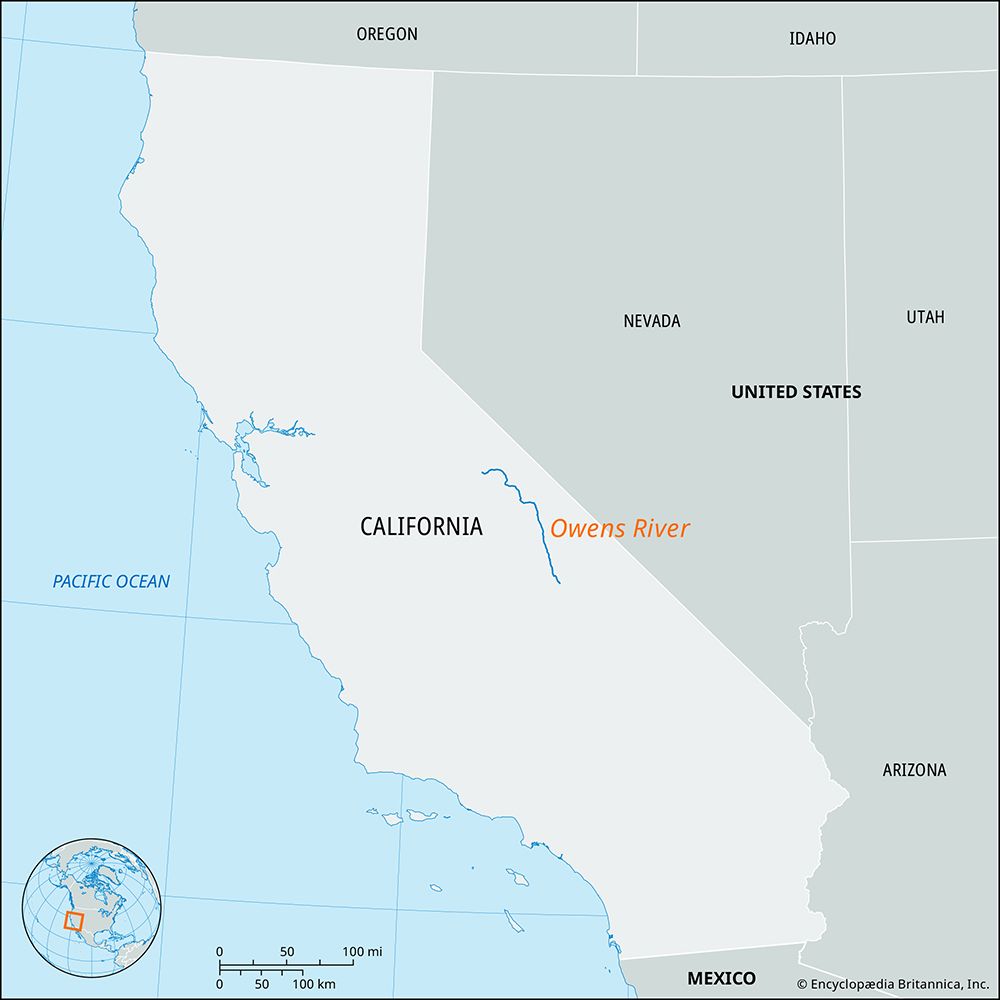
The Owens River flows for approximately 120 miles (200 km) through Mono and Inyo counties in eastern California. It originates in the Sierra Nevada mountains, located southeast of Yosemite National Park, and historically terminated at Owens Lake.1
Regarding your inquiry about the river’s main tributaries, the provided information does not contain data identifying specific tributaries of the Owens River.1
Where is the Owens River located, and what are its major geographical features?
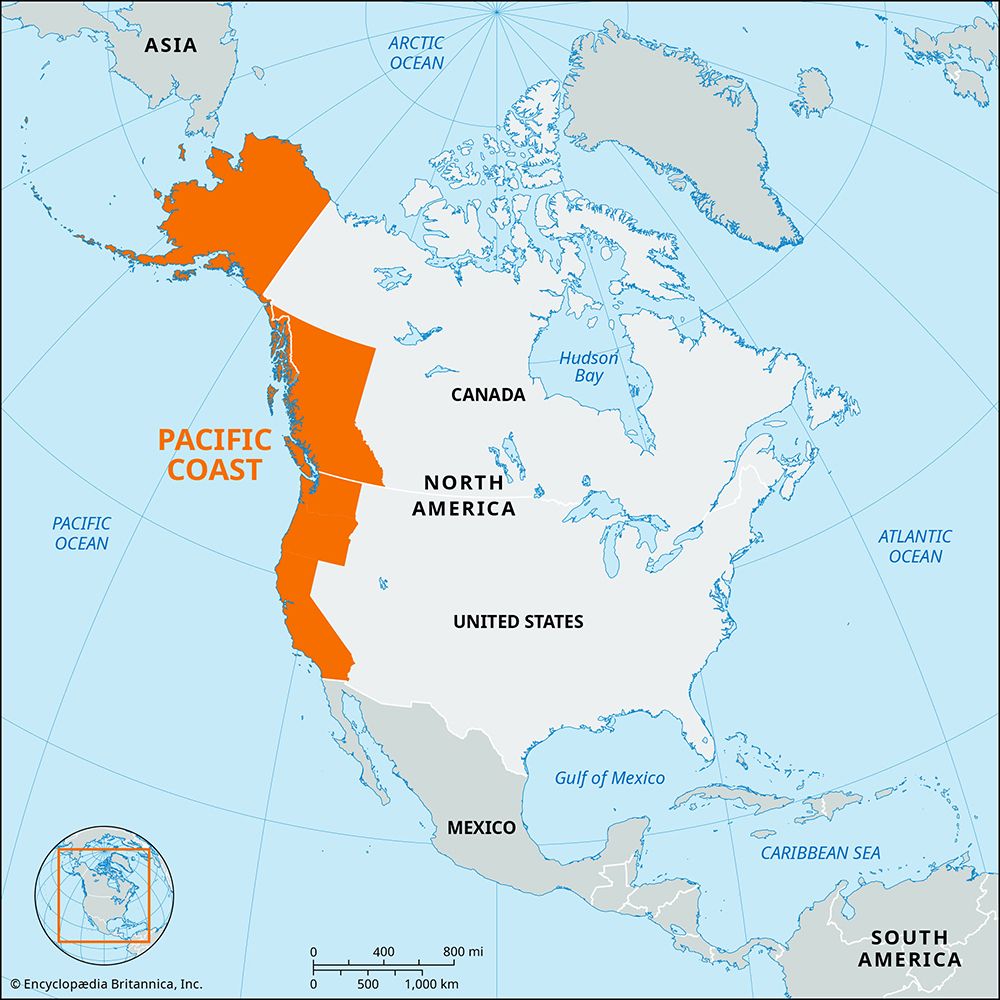
The Owens River is located in Mono and Inyo counties in eastern California, United States. It rises in the Sierra Nevada mountains, specifically southeast of Yosemite National Park, and flows approximately 120 miles (200 km) in a generally west-southwest direction.1
The river’s primary geographical feature is its historical terminus at Owens Lake. Once a significant body of water, the lake was essentially drained following the 1913 diversion of the river to supply water to the city of Los Angeles. This transformation resulted in the lake becoming dry and created an environment prone to severe alkaline dust storms. Additionally, the river flows through the Owens Valley, a region defined by its proximity to the eastern escarpment of the Sierra Nevada, which is characterized by steep-gradient canyons formed by tectonic uplift and erosion.14
What role did the Owens River play in the California Water Wars?
The Owens River was the central focus of the California Water Wars, a period of intense conflict sparked by the city of Los Angeles diverting the river’s water to support its own rapid growth.17
The Conflict
In 1913, civil engineer William Mulholland completed the Los Angeles Aqueduct, which transported water from the Sierra Nevada across the Mojave Desert to the city. The project was kept secret from Owens Valley residents until the city had secured the necessary water rights through clandestine land purchases.7
Consequences and Resistance
The diversion caused severe harm to the local agricultural economy, as farmers and ranchers lost their essential water supply. This led to widespread hostility, with residents viewing the project as water theft. During the 1920s, tensions escalated into violence, including attempts by locals to destroy the aqueduct with dynamite.17
Ecologically, the diversion drained Owens Lake, resulting in toxic alkaline dust storms and significant habitat loss. These events were famously fictionalized in the 1974 film Chinatown.1
Sources
- Owens River — Encyclopædia Britannica
- Los Angeles - From the aqueduct to the 1920s — Encyclopædia Britannica
- Los Angeles - The 1920s and ’30s — Encyclopædia Britannica
- California - Drainage — Encyclopædia Britannica
- Sierra Nevada - The people and economy — Encyclopædia Britannica
- Sierra Nevada - Geology — Encyclopædia Britannica
- William Mulholland — Encyclopædia Britannica
Published on · 3 min read