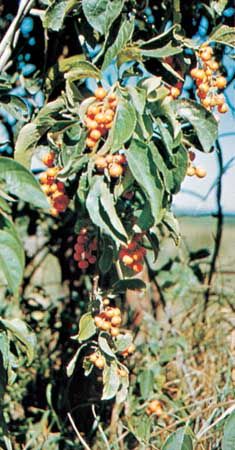
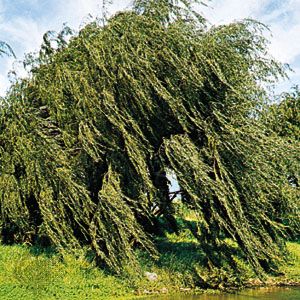
Oxalidales
It is important to clarify that Oxalidales is not classified within the order Geraniales, as some older systems suggested; rather, under the Angiosperm…

What is the evolutionary history and relationships of Oxalidales within the plant kingdom?
It is important to clarify that Oxalidales is not classified within the order Geraniales, as some older systems suggested; rather, under the Angiosperm Phylogeny Group II (APG II) system, it is recognized as a distinct order of dicotyledonous flowering plants.
Oxalidales is placed within the Rosid I group of the core eudicots. Its evolutionary relationships indicate that it is closely related to the orders Celastrales (the bittersweet order) and Malpighiales. The order comprises six families, including Oxalidaceae, Connaraceae, Elaeocarpaceae, Brunelliaceae, Cunoniaceae, and Cephalotaceae.
A notable aspect of the order’s evolution is the occurrence of convergent evolution, particularly in the family Cephalotaceae. The Australian pitcher plant (Cephalotus follicularis) evolved its specialized insect-trapping mechanisms independently of other pitcher plant families, representing an evolutionary adaptation to nutrient-poor soils across different continents.
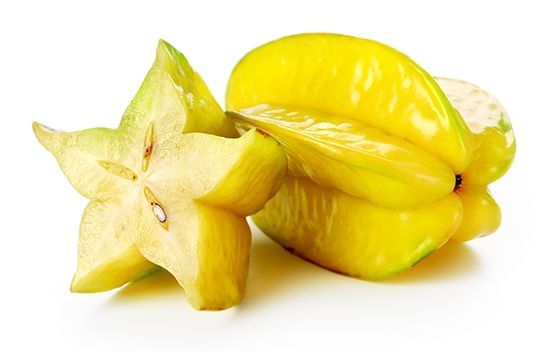
Which plant families are included in the Oxalidales order?
According to the Angiosperm Phylogeny Group IV (APG IV) classification system, the order Oxalidales includes the following seven families:
While earlier classifications sometimes cited six families, current molecular-based systems like APG IV include Huaceae within this order.32
Are there any economically important plants in the Oxalidales order?
While the order Oxalidales is not as widely recognized for major global food crops as other plant groups, it contains several species of economic importance, primarily utilized for food, timber, and medicinal purposes.
Food Crops
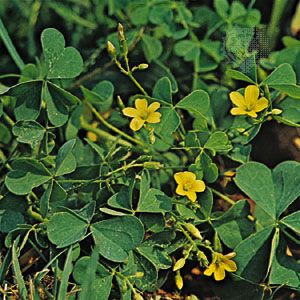
- Star fruit (Averrhoa carambola): A tropical tree in the Oxalidaceae family cultivated for its edible, acidic, and ribbed fruits.4
- Oca (Oxalis tuberosa): Cultivated in the Andes for its edible tubers.54
- Other Edible Species: The roots of Oxalis deppei and the seeds of the Malesian Cnestis platantha are also consumed. Additionally, the Ceylon olive (Elaeocarpus serratus) and maqui berries (Aristotelia chilensis) are harvested for food, with the latter also used to produce Chilean wine.54
Timber and Wood Products
- Timber Trees: Several species within the Elaeocarpaceae family are significant for timber, including Sloanea berteriana (motillo) and S. woollsii (carabeen). In the Cunoniaceae family, Ceratopetalum apetalum (light coachwood) is utilized for timber.4
- Zebra Wood: Connarus guianensis is a source of zebra wood used in commerce.6
Medicinal and Industrial Uses
- Medicinal: Various species, particularly in the Connaraceae family, are used in traditional medicine to treat conditions such as dysentery or to induce vomiting.64
- Industrial: The bark of Rourea glabra is used in tanning, producing a purple color in animal skins.6
What are the main characteristics of plants in the Oxalidales order?
The Oxalidales order comprises a diverse group of dicotyledonous flowering plants, including annuals, perennial herbs, lianas, shrubs, and trees found in both temperate and tropical regions.1
General Characteristics
- Morphology: Many species possess compound leaves. A common floral structure includes five or six sepals and petals, twice as many anthers, and five carpels that may be fused or separate.1
- Seeds: A notable feature for many species is the presence of an aril attached to the seed, which often facilitates dispersal by animals.1
- Chemical Properties: Some members, particularly in the Oxalidaceae family, accumulate oxalic acid, resulting in a characteristic sour or “sorrel” taste.1
- Growth Habits: The order exhibits significant structural variety, ranging from standard trees and shrubs to specialized forms like the Australian pitcher plant (Cephalotus follicularis), which has evolved to trap and digest insects in nutrient-poor soils.1
Family-Specific Traits
- Oxalidaceae: Often characterized by compound leaves with leaflets that feature thickened bases (pulvini), allowing them to fold or close at night or during inclement weather.1
- Cunoniaceae: Typically feature opposite, pinnately compound leaves with well-developed stipules between the leaf bases.1
- Brunelliaceae: Comprised of Neotropical trees that are dioecious (having male and female flowers on separate trees) and lack petals.1
Sources
- Oxalidaceae — Merriam-Webster
- Oxalidales — Encyclopædia Britannica
- angiosperm - Annotated classification — Encyclopædia Britannica
- Oxalis — Encyclopædia Britannica
- list of economically important members of the family Fabaceae — Encyclopædia Britannica
- Connaraceae — Encyclopædia Britannica
- Cunoniaceae — Encyclopædia Britannica
- orchid - Structural diversity — Encyclopædia Britannica
Published on · 3 min read