Paraguay River
The Paraguay River holds profound historical and cultural significance, deeply intertwined with the identity of the Guaraní people. The river’s name itself…
What historical or cultural significance does the Paraguay River hold for the indigenous peoples and early explorers of South America?
The Paraguay River holds profound historical and cultural significance, deeply intertwined with the identity of the Guaraní people. The river’s name itself is derived from the Guaraní language, with interpretations ranging from “river of coloured, plumed birds” to “river that gives birth to the sea,” reflecting the cultural importance of the region’s natural beauty and the river’s role as a vital artery.12
For the Guaraní, who occupied the region between the Paraguay and Paraná rivers long before European arrival, the river served as a strategic defensive and territorial boundary. They were a warlike, seminomadic people who used the river to launch retaliatory strikes against raiders from the Gran Chaco region.34
Early European explorers, such as Alejo García and Sebastian Cabot, viewed the Guaraní as natural allies. These explorers relied on the river as a potential gateway to the mineral wealth of Peru, marking the beginning of the river’s role in colonial mapping and expansion.34
What role did the Paraguay River play in the exploration and colonization of South America?
The Paraguay River served as a critical artery for the exploration and colonization of southeastern South America, acting as both a gateway for European expansion and a foundation for the region’s colonial development.
Exploration and Early Contact
European explorers, including Sebastian Cabot and Alejo García, utilized the river system to penetrate the interior of the continent. Seeking a route to the mineral wealth of Peru, these explorers formed alliances with the Guaraní people, who already occupied the region and used the river as a strategic defensive boundary against raiders from the Gran Chaco.82
Colonial Development
The river was central to the establishment of Asunción in 1537, which became the primary base for Spanish power in the region. Under the leadership of Domingo Martínez de Irala, the river facilitated a policy of colonization that included:
- The construction of forts to defend against Portuguese expansion from Brazil.6
- The integration of the Guaraní into colonial society through labor, agriculture, and extensive intermarriage, creating a distinct, ethnically mixed population.6
- The support of Jesuit missions, which functioned as autonomous economic and political outposts along the river basins until their expulsion in 1767.86
How does the Paraguay River connect to the larger Paraná River system?
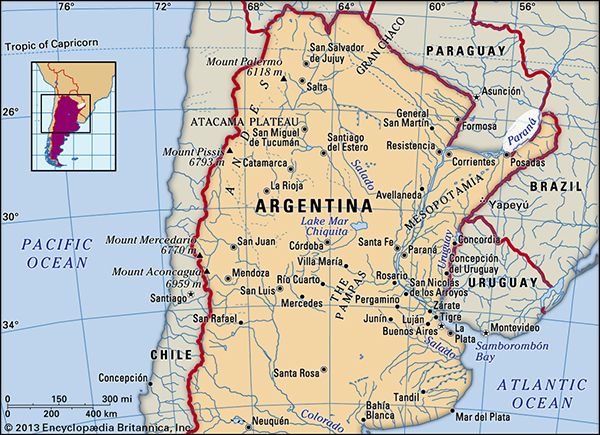
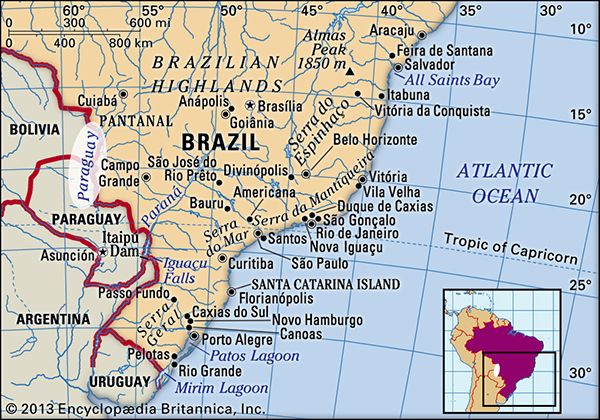
The Paraguay River serves as the principal tributary of the Paraná River system. The connection between these two major waterways is a defining geographical feature of the region:11
- Confluence: The Paraguay River flows southward from its source in Brazil, eventually joining the Alto (Upper) Paraná River near the border between Paraguay and Argentina.11
- System Transition: Before this junction, the Paraná is known as the Alto Paraná. Once it receives the waters of the Paraguay, the river is referred to as the lower Paraná, which then flows exclusively through Argentine territory.1211
- Hydrological Impact: The Paraguay River is a vital component of the system’s hydrology, providing approximately 25 percent of the total volume of the lower Paraná. Because the Paraguay is subject to significant seasonal flooding, its discharge levels directly influence the flow and behavior of the lower Paraná downstream.1211
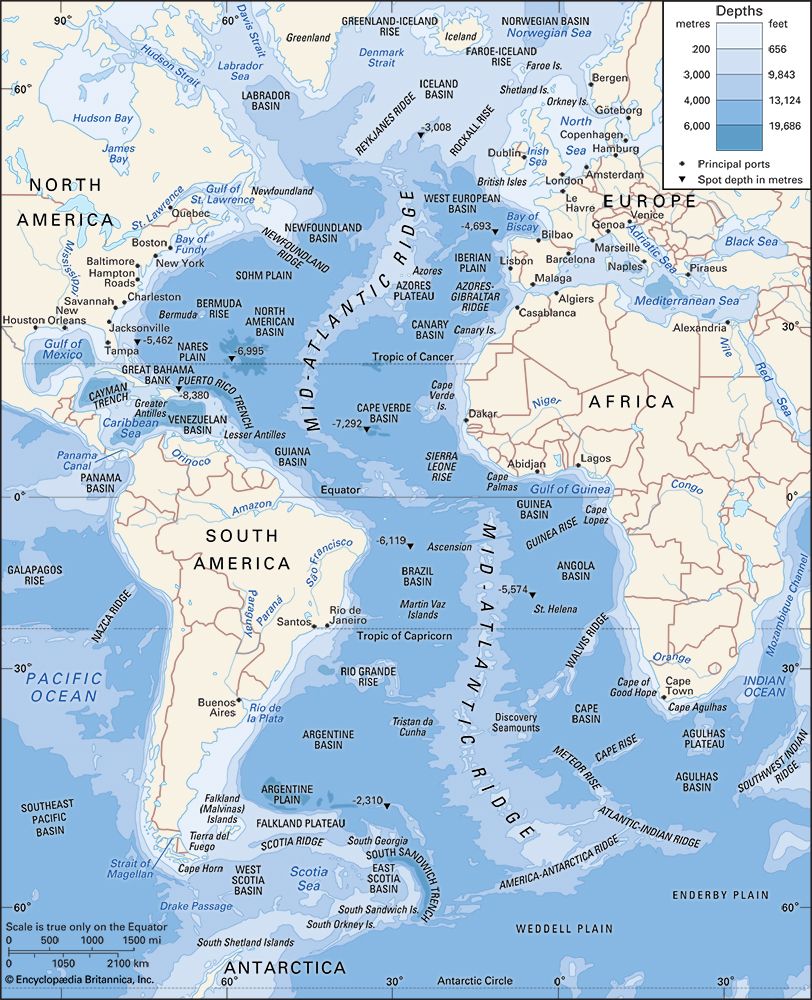
Ultimately, this combined river system drains into the Río de la Plata estuary, which serves as a major outlet to the Atlantic Ocean.126
What are some of the major cities located along the Paraguay River?
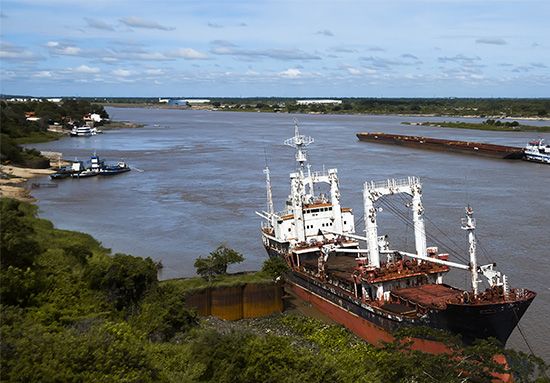
The Paraguay River flows through a sparsely populated basin, but it serves as a vital commercial and historical artery for several key urban centers. Notable cities located along or near the river include:
- Asunción, Paraguay: The capital and largest city of Paraguay, it is the most significant urban center on the river. Historically serving as the headquarters for Spanish colonial activities in the region, it remains the primary distributing center for the country’s agricultural and pastoral hinterland.614
- Corumbá, Brazil: Located in the state of Mato Grosso do Sul, this city is a key point on the upper course of the river. It is accessible to shallow-draft vessels throughout the year and serves as an important regional hub.615
- Concepción, Paraguay: Situated in northern Paraguay, this city is a major urban center along the middle course of the river.616
- Cáceres, Brazil: Located in the state of Mato Grosso, this city is situated near the upper reaches of the river where it first becomes navigable for small craft.1517
- Corrientes, Argentina: While located on the Paraná River, this city is situated just a short distance from the confluence where the Paraguay River empties into the Paraná.17
Sources
- history of Paraguay - Early history of Paraguay — Encyclopædia Britannica
- Río de la Plata - The region since 1800 — Encyclopædia Britannica
- Río de la Plata - Mapping of the basin — Encyclopædia Britannica
- Río de la Plata - Physiography of the Paraguay basin — Encyclopædia Britannica
- Paraguay - Early history — Encyclopædia Britannica
- Paraguay River — Encyclopædia Britannica
- Paraguay — Encyclopædia Britannica
- Río de la Plata - Early European exploration and settlement — Encyclopædia Britannica
- history of Paraguay - Colonial period in Paraguay — Encyclopædia Britannica
- Pilcomayo River — Encyclopædia Britannica
- Río de la Plata - Physical features — Encyclopædia Britannica
- Paraná River — Encyclopædia Britannica
- Río de la Plata — Encyclopædia Britannica
- Asunción — Encyclopædia Britannica
- Paraguay - Transportation — Encyclopædia Britannica
- Paraguay - Settlement patterns — Encyclopædia Britannica
- Río de la Plata - Transportation — Encyclopædia Britannica
Published on · 4 min read