Parakeet
It is important to clarify that a budgerigar is not a separate type of bird from a parakeet; rather, the budgerigar is the most popular species of parakeet…
How do parakeets differ from other types of pet birds like cockatiels or budgies?
It is important to clarify that a budgerigar is not a separate type of bird from a parakeet; rather, the budgerigar is the most popular species of parakeet kept as a pet.1
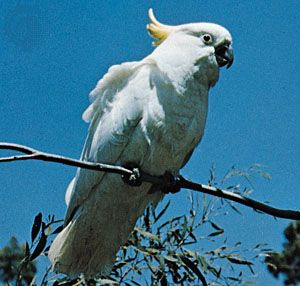
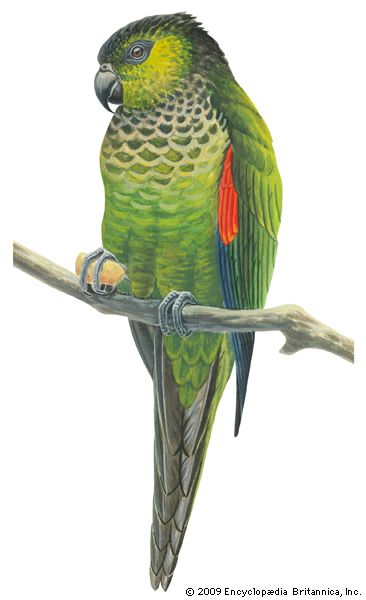
Parakeets are defined as small, slender parrots with long, tapering tails. In contrast, cockatiels belong to a different family, the cockatoo family (Cacatuidae), and are distinguished by their prominent crests and heavy beaks designed for cracking nuts and seeds.12
While parakeets are generally known for being highly active, social birds that often form large flocks, they can be quite pugnacious or quarrelsome, especially when paired or kept with other species. Many parakeets are seed eaters, and while some can learn to mimic sounds, they are typically described as having small voices compared to other, larger parrot species.12
Where are parakeets originally from, and how have they spread around the world?
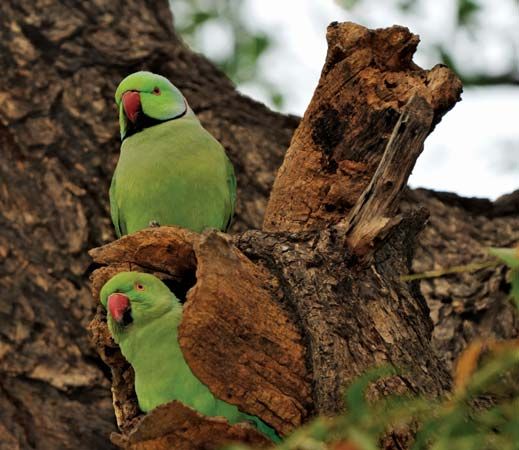
Parakeets are native to warm regions across the globe, with populations naturally occurring from India and Sri Lanka through Southeast Asia to Australia and the Pacific Islands, as well as in tropical America. They are primarily birds of the tropics and southern temperate zones, though their specific habitats range from dense forests to dry, open grasslands.134
The global spread of parakeets beyond their native ranges is largely a result of human activity. Parrots have been transported to zoos, private collections, and homes for centuries; for example, affluent citizens in early Rome kept them as pets. Their popularity as companions—driven by their bright colors, intelligence, and ability to mimic sounds—has led to their widespread distribution in captivity.5
While some species, such as the budgerigar, have been bred extensively for the pet trade, this has not resulted in true domestication. Unfortunately, the high demand for these birds has also led to the depletion of wild populations, causing many species to become threatened with extinction.5
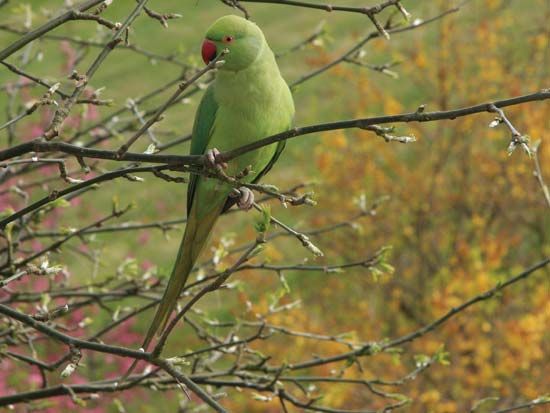
What are the most popular species of parakeets kept as pets?
Several species of parakeets are popular as pets due to their intelligence, vibrant colors, and engaging behaviors. The most prominent include:
- Budgerigar (Melopsittacus undulatus): Often called the “budgie” or shell parakeet, this is the most popular caged parakeet in the world. Native to Australian grasslands, they are hardy, social birds that have been bred into hundreds of color mutations.16
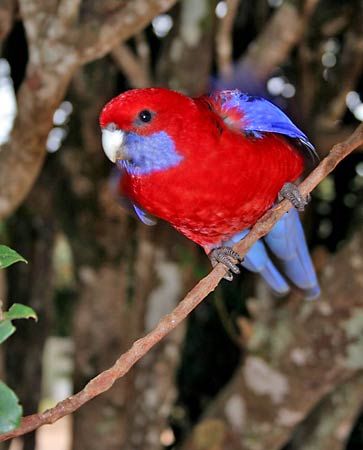
- Rosellas (Platycercus species): These Australian parakeets are known for their striking appearance, featuring scalloped backs, black shoulders, and distinctive cheek and throat markings. While they are popular and prolific in aviaries, they are noted for being particularly quarrelsome toward other bird species.1
- Monk Parakeet (Myiopsitta monachus): A South American species characterized by its green and gray plumage. They are frequently kept as cage birds and have established wild breeding populations in various regions, including the United States, after escaping from captivity.3
- Hanging Parrots (Loriculus species): Sometimes referred to as bat parrotlets, these small, short-tailed birds are popular cage pets within their native range, which spans from India to the Philippines.1
What kind of diet do parakeets typically have in their natural habitat?
In their natural habitats, parakeets are primarily seed-eating birds. As members of the order Psittaciformes, they feed almost exclusively on plant materials, though their specific diet varies based on their environment and size.15
Smaller species, such as the budgerigar found in Australian grasslands, rely heavily on grass seeds. In addition to seeds, many parakeets consume berries, fruits, and the juices of blossoms. Some species also forage for bulbs, tubers, and roots by digging in the ground. While plant matter is their primary food source, some parrots may incidentally consume larval or adult insects while foraging.15
Because of their reliance on seeds, these birds often form large flocks and can become significant pests in agricultural grainfields.1
Sources
- Parakeet — Encyclopædia Britannica
- parrot — Encyclopædia Britannica
- Psittaciform - Importance to humans — Encyclopædia Britannica
- Psittaciform — Encyclopædia Britannica
- Psittaciform - Habitat and food choice — Encyclopædia Britannica
- monk parakeet — Merriam-Webster
Published on · 3 min read