Parsley
Parsley (Petroselinum crispum), a biennial herb native to Mediterranean lands, has been utilized by various cultures for millennia. Historically, ancient…
How has the use of parsley evolved throughout history in different cultures?
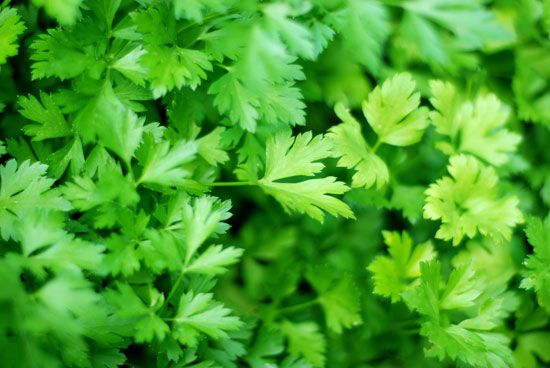
Parsley (Petroselinum crispum), a biennial herb native to Mediterranean lands, has been utilized by various cultures for millennia. Historically, ancient Greeks and Romans employed the leaves as both a flavoring and a garnish for food, a culinary tradition that persists today.1
Beyond the kitchen, parsley has a significant history in traditional and herbal medicine. It has been used to address menstrual pain and as an abortifacient, and it is believed to possess anti-inflammatory properties. However, it is essential to note that consuming large quantities of parsley preparations or seed oil can be dangerous, potentially causing organ damage, hemorrhages, or nerve damage.1
In modern culinary practices, the herb remains a staple in soups, salads, meats, and fish dishes, often serving as a key component in bouquet garni and fines herbes. Additionally, varieties like Hamburg parsley are cultivated in Europe specifically for their edible roots.1
How is parsley used in culinary applications across different cuisines?
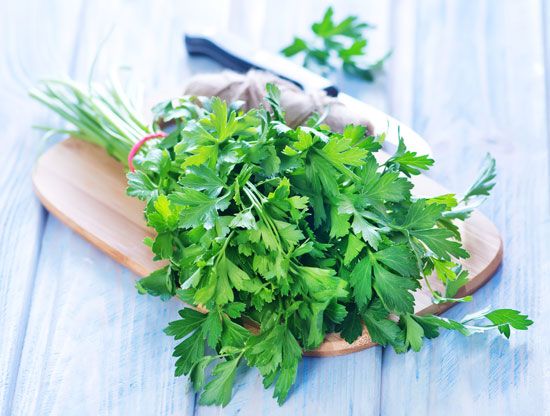
Parsley (Petroselinum crispum) is a versatile herb utilized globally for its mildly aromatic flavor and decorative appeal. Its culinary applications vary significantly across different traditions:
- General Culinary Use: Parsley is a staple in many cuisines, where it is used fresh or dried to enhance fish, meats, soups, sauces, and saladstopic/sauce), and salads. It serves as a fundamental ingredient in classic preparations like bouquet garni and fines herbes.1
- Garnish: Beyond flavoring, parsley is widely employed as a garnish to provide contrast in color, texture, and taste, giving dishes a finished appearance.14
- Middle Eastern Cuisine: In Levantine cultures, particularly in Lebanon and Syria, parsley is the primary ingredient in tabbouleh. This herb salad combines finely chopped parsley with bulgur, tomatoes, mint, onions, olive oil, and lemon juice.25
- Root Varieties: In Europe, Hamburg parsley is specifically cultivated for its large, edible parsnip-like root.1
How long does it take for parsley to grow from seed to harvest?
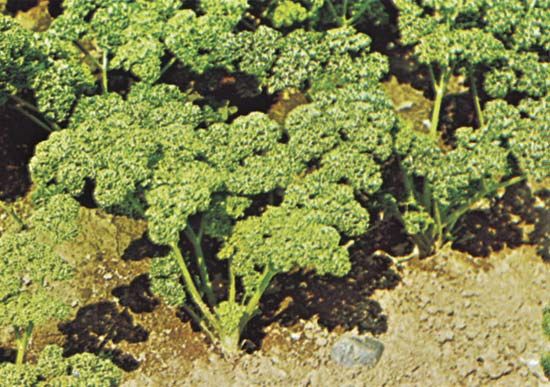
Parsley is a biennial plant, meaning it completes its life cycle over two growing seasons.71
For culinary purposes, the plant is harvested during its first growing season, when it focuses its energy on producing a cluster of tender, deep green leaves. Because the plant is typically not left in the field after this productive leaf stage, the harvest occurs within that initial season of growth.1
If the plant is allowed to remain in the ground for a second season, it shifts its energy toward reproduction, producing tall seed stalks and flowers before eventually dying. While the provided information specifies that the leaves are harvested during the first season, it does not define a precise number of weeks or months from seed to harvest, as this can vary based on environmental conditions.71
Are there any medicinal or traditional uses for parsley?
Parsley has a long history of use in traditional and herbal medicine. Historically, it has been utilized to alleviate menstrual pain and has been employed as an herbal abortifacient. Additionally, the plant is believed to possess anti-inflammatory properties.1
It is critical to exercise extreme caution regarding these applications. The ingestion of parsley seed oil or the consumption of large quantities of other parsley preparations can lead to severe, potentially lethal health consequences. These risks include organ damage, hemorrhages, and damage to peripheral nerves. Due to these significant dangers, one should never attempt to use parsley for medicinal purposes without professional medical guidance.1
Sources
- parsley — Encyclopædia Britannica
- parsley — Merriam-Webster
- parsley family — Merriam-Webster
- tabbouleh — Encyclopædia Britannica
- tabbouleh — Merriam-Webster
- garnish — Encyclopædia Britannica
- Biennial — Encyclopædia Britannica
Published on · 3 min read