Particulate Matter
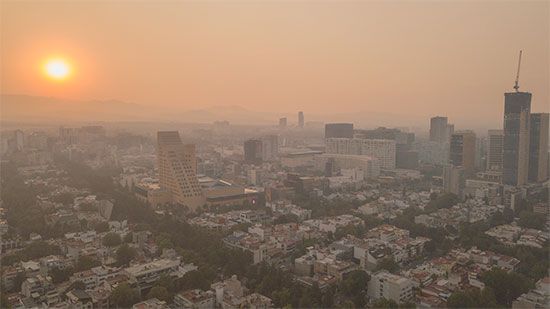
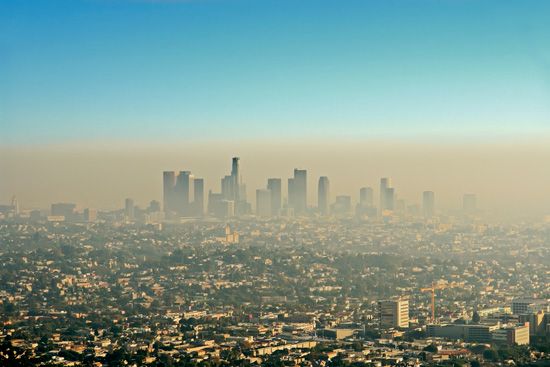
Particulate matter refers to a mixture of extremely small solid particles and liquid droplets suspended in the air. Rather than being defined by chemical…
What is particulate matter in the atmosphere?
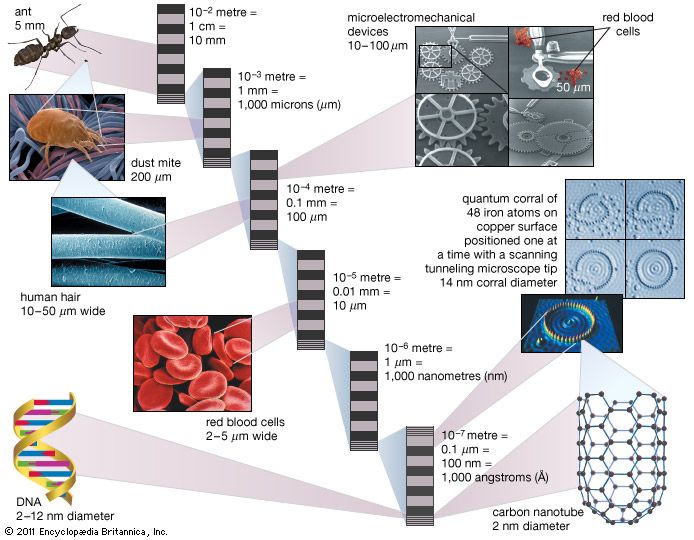
Particulate matter refers to a mixture of extremely small solid particles and liquid droplets suspended in the air. Rather than being defined by chemical composition, these pollutants are classified by their size. Regulatory agencies, such as the U.S. Environmental Protection Agency, categorize them into two primary groups:12
- PM10_{10}: Coarse inhalable particles with a diameter of 10 micrometers (μ\mum) or less.2
- PM2.5_{2.5}: Fine inhalable particles with a diameter of 2.5 μ\mum or less.2
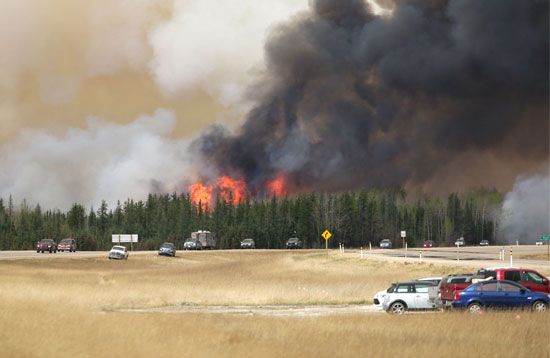
These particles originate from various sources, including fossil-fuel power plants, manufacturing, vehicle emissions, and natural events like wildfires and volcanoes.12
Because particles smaller than 10 μ\mum can be inhaled deep into the lungs, they pose significant risks to human health, including cardiovascular disease, asthma, and cancer. It is a fundamental ethical imperative to protect public health by monitoring and reducing these pollutants, particularly as their impacts are often borne disproportionately by vulnerable populations.12
How does particulate matter relate to air pollution?
Particulate matter is a primary form of air pollution consisting of microscopic solid or liquid particles suspended in the atmosphere, such as soot, dust, and smoke. It is officially designated as one of the six “criteria” air pollutants by the U.S. Environmental Protection Agency, meaning its concentration serves as a key indicator of overall air quality.2
Unlike other pollutants defined by their chemical makeup, particulate matter is classified by size. The two primary categories are:21
- PM10_{10}: Coarse inhalable particles 10 micrometers or less in diameter.21
- PM2.5_{2.5}: Fine inhalable particles 2.5 micrometers or less in diameter.21
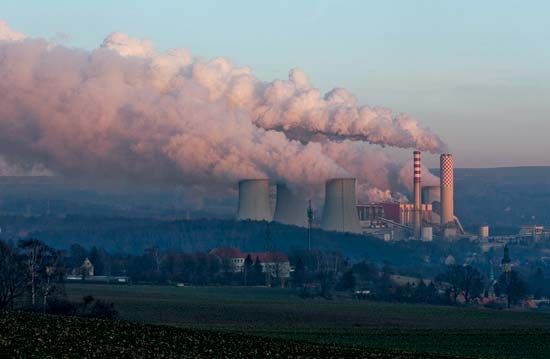
These particles relate to broader air pollution through their sources and impacts. They are emitted directly by fossil-fuel power plants, vehicles, and industrial processes, or formed when other pollutants like nitrogen oxides react in the air. Because they can penetrate deep into the lungs, they pose severe health risks, including cardiovascular disease and cancer. Addressing this pollution is a moral necessity, as its health burdens often fall disproportionately on vulnerable and marginalized communities.21
Where does atmospheric particulate matter come from?
Atmospheric particulate matter originates from a wide variety of human-made and natural sources. These sources are categorized by whether they release particles directly into the air or contribute to their formation through chemical reactions.12
Human-Made Sources
Many industrial and daily activities are significant contributors to particulate emissions:
- Power Generation and Heating: Fossil-fuel power plants—especially coal-fired facilities—are major emitters. Residential heating systems that rely on fossil fuels also contribute to the total load.12
- Transportation: Gasoline-powered vehicles and other combustion engines release fine particulates directly into the atmosphere.12
- Manufacturing: Various industrial and chemical-processing facilities release particulates as a byproduct of their operations.12
- Secondary Formation: Many industrial activities release gases such as nitrogen oxides and volatile organic compounds (VOCs). These chemicals can react with other compounds in the atmosphere to form new, secondary particulate matter.2
Natural Sources
Natural events also introduce significant quantities of particulate matter into the air:
- Geological Activity: Volcanoes eject ash and gases that are heavily laden with particulate matter.24
- Environmental Events: Wildfires are a major source of smoke and ash.2
- Surface Dust: Dust can be generated by wind blowing over unpaved roads, construction sites, and fallow agricultural fields.2
How can particulate matter affect human health?
Particulate matter poses significant risks to human health, primarily because particles smaller than 10 micrometers in diameter can be inhaled deep into the lungs and become trapped in the lower respiratory system in the lower respiratory system. Generally, the smaller the particle, the more severe its potential health impact.21
Primary Health Effects
Inhalable particulates can trigger inflammation in the lungs, heart, and blood vessels, leading to a variety of serious conditions:15
- Respiratory Issues: Exposure is linked to asthma and bronchitis.15
- Cardiovascular Problems: Particulates contribute to irregular heartbeat, heart attack, and stroke.15
- Long-term Risks: Chronic exposure is associated with lung cancer and decreased life expectancy. Certain substances, such as asbestos, are known carcinogens, while others like soot contain complex organic chemicals that are suspected of causing cancer.152
- Reproductive Health: Particulate pollution is also associated with preterm birth and low birth weight.1
Children, older adults, and individuals with pre-existing heart or lung diseases are particularly vulnerable to these effects. Furthermore, the health burden of this pollution is often distributed inequitably, disproportionately affecting historically marginalized communities.15
Sources
- air pollution - Fine particulates — Encyclopædia Britannica
- particulate matter — Encyclopædia Britannica
- air pollution: Top Questions — Encyclopædia Britannica
- volcano - Long-term environmental effects — Encyclopædia Britannica
- phagocytosis — Encyclopædia Britannica
- respiratory disease - Air pollution — Encyclopædia Britannica
Published on · 4 min read