Peacock Worm
The peacock worm (Sabella) derives its name from the distinctive fan of striped, feathery tentacles at its front end, which resembles the elaborate, colorful…
How did peacock worms get their name, and what other common names do they have?
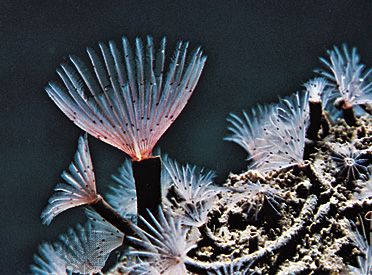
The peacock worm (Sabella) derives its name from the distinctive fan of striped, feathery tentacles at its front end, which resembles the elaborate, colorful plumage of a peacock when extended into the water for feeding and respiration.1
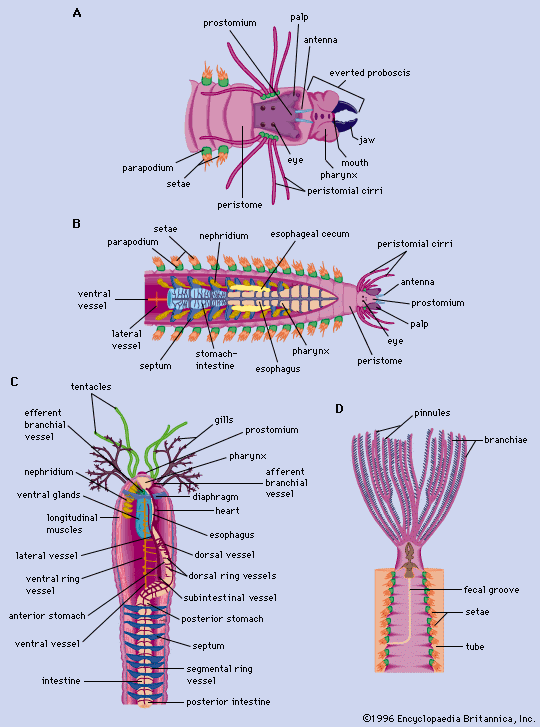
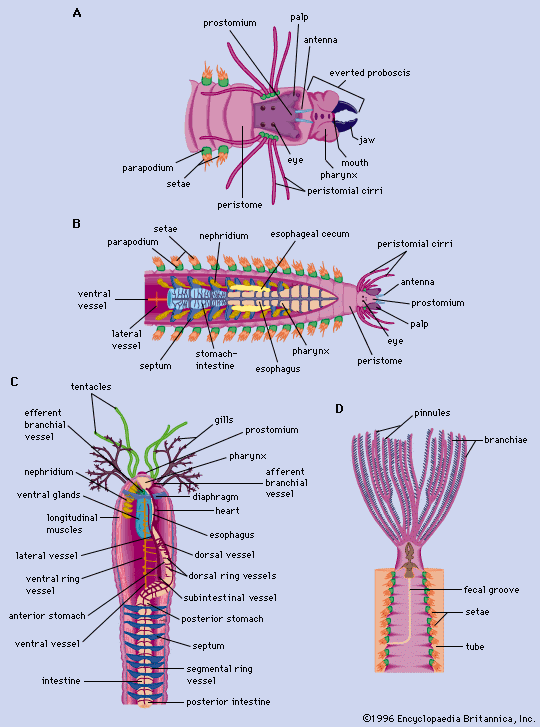
These marine polychaetes are also commonly referred to as fanworms due to the shape of these feeding structures. They are also scientifically classified as sabellids, belonging to the family Sabellidae. These worms live within tubes constructed from mud particles and mucus, which they can rapidly withdraw into for protection when threatened.12
Where are peacock worms typically found in marine ecosystems?
Peacock worms (Sabella) are typically found in marine environments where they inhabit tubes constructed from mud particles and mucus. These tubes are generally 30 to 40 centimeters (12 to 16 inches) long, with the majority of the structure buried within the substratum.
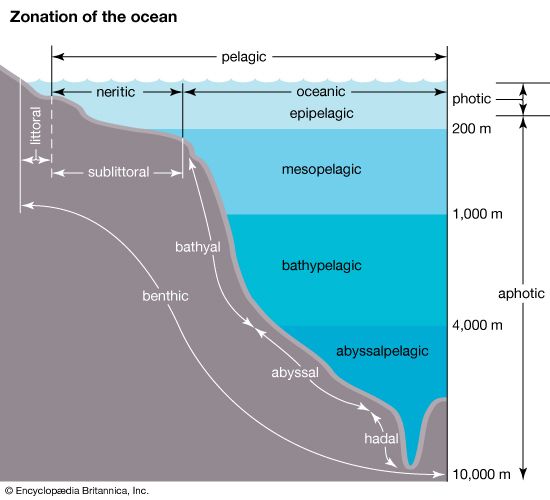
In terms of their specific habitat, these polychaetes occupy both the intertidal zone and shallow subtidal areas. From these locations, the worms extend their feathery tentacles into the overlying seawater to facilitate feeding and respiration.1
What role do peacock worms play in their marine environment?
Peacock worms (Sabella) play a functional role in their marine environment primarily through their feeding and tube-building activities. By extending their feathery tentacles into the water column, they act as filter feeders, trapping suspended organic and inorganic particles from the seawater.1
This process serves two key purposes:
- Nutrition: The trapped organic particles are transported by cilia to the worm’s mouth to serve as a food source.1
- Habitat Engineering: The collected inorganic particles are utilized by the worm to construct and maintain its protective tube, which is composed of mud particles cemented together with mucus.1
By cycling these suspended materials, peacock worms contribute to the movement of nutrients within the intertidal zone and shallow subtidal ecosystems. Furthermore, their presence and tube-building behavior can influence the local substrate composition.1
How do peacock worms defend themselves from predators?
Peacock worms (Sabella) rely on a rapid withdrawal mechanism to protect themselves from potential threats. When a predator approaches, the worm quickly retracts its fan of striped, feathery tentacles into the safety of its tube.1
Because the majority of the tube—which is constructed from mud particles and mucus—is buried within the substratum, this retreat allows the worm to effectively hide from environmental dangers.1
Sources
- peacock worm — Encyclopædia Britannica
- Sabellariidae — Merriam-Webster
- sabellid — Merriam-Webster
- Sabellaria — Merriam-Webster
Published on · 2 min read