Littoral Zone
The littoral zone is a dynamic ecological realm defined by its proximity to the shore, where physical and environmental factors create a highly variable…
What are the main characteristics of the littoral zone in terms of physical and environmental factors?
The littoral zone is a dynamic ecological realm defined by its proximity to the shore, where physical and environmental factors create a highly variable habitat.
Physical Characteristics
- Water Motion and Energy: This zone is characterized by high wave energy and significant water motion, including the effects of tidal and longshore currents.1
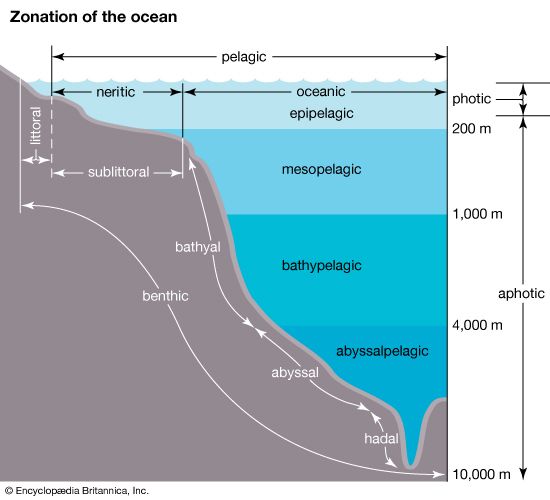
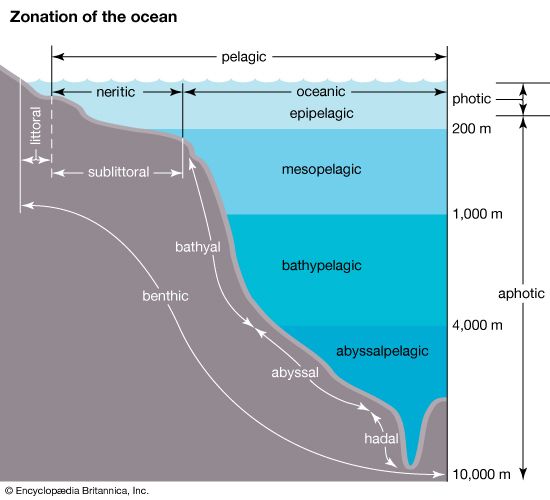
- Depth: In marine environments, the zone typically extends to a depth of 5 to 10 metres below the low-tide level, though this varies based on storm wave intensity.1
- Substrate Diversity: The geological nature of the shoreline is exceedingly varied, ranging from rocky coasts and sandy beaches to sheltered embayments and muddy bottoms.1
- Tidal Influence: The intertidal subzone experiences alternating periods of submergence and exposure, which are dictated by the local tide cycle.1
Environmental Factors
- Resource Availability: The zone is generally rich in dissolved oxygen, sunlight, and nutrients, which support diverse floral and faunal populations.1
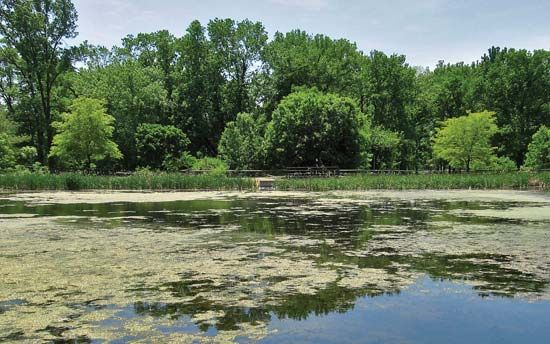
- Light Penetration: In both marine and lacustrine ecosystems, the littoral zone is shallow enough for light to penetrate to the bottom, facilitating the growth of rooted plants.2
How do tides and wave action affect the organisms living in the littoral zone?
Tides and wave action are primary drivers of the physical environment in the littoral zone, profoundly influencing the distribution and survival of resident organisms.
Impact of Wave Action
Wave energy acts as a significant environmental stressor. On exposed rocky shores, organisms must be firmly anchored or cemented to the substrate to avoid being swept away. High-energy waves can also cause physical disturbance, such as overturning boulders or scouring surfaces, which leads to localized mortality. For instance, winter storms can clear large patches of California mussels from rock faces, creating gaps that may take decades to recover. Conversely, in sheltered bays and inlets, reduced wave action allows for the development of rich, diverse communities, including seaweeds, mussels, and various burrowing species.13
Impact of Tides
Tides dictate the rhythm of life in the intertidal subzone through the alternating cycle of submergence and exposure. This cycle forces organisms to adapt to fluctuating conditions, such as changes in moisture and temperature. Furthermore, the rise and fall of the tide redistributes wave energy by shifting the position of the shoreline, which determines the specific area where waves and currents can exert their influence.16
How does the littoral zone contribute to the overall health of marine ecosystems?
The littoral zone plays a vital role in the health and productivity of marine ecosystems by acting as a high-energy interface that facilitates nutrient cycling and supports immense biological diversity.
Nutrient Cycling and Productivity
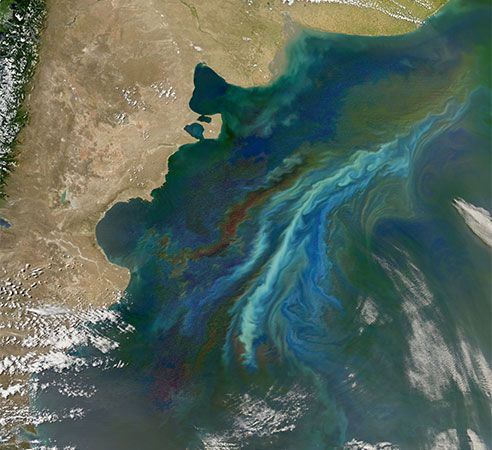
The littoral zone is characterized by an abundance of sunlight, dissolved oxygen, and nutrients, which create a highly productive environment. In many coastal areas, such as estuaries, the movement of water—driven by tides and currents—functions as a pump that circulates nutrients from decomposing organic matter back into the water column. This process stimulates biological production, supporting a wide array of organisms ranging from microscopic phytoplankton to complex benthic communities.127
Habitat and Biodiversity
The structural complexity of the littoral zone provides essential habitats for a vast number of species:
- Primary Producers: Algae and rooted plants, such as seagrasses, mangroves, and salt marshes, serve as the foundation of the food web.87
- Nursery and Shelter: The diverse substrates—including rocky coasts, coral reefs, and muddy bottoms—offer protection and breeding grounds for numerous invertebrates, crustaceans, and fishes.18
- Biological Processing: Meiobenthos and other microorganisms within the sediment act as critical nutrient recyclers and decomposers, maintaining the chemical balance of the ecosystem.8
What are some of the major ecological processes that occur in the littoral zone?
The littoral zone is a highly dynamic environment defined by several major ecological processes driven by its unique physical conditions.
Primary Productivity
Because the littoral zone is shallow and receives abundant sunlight, it supports significant primary productivity. This process involves the conversion of solar energy into organic substances by photoautotrophs, such as algae and rooted aquatic plants. These producers form the foundation of the local food web, providing essential energy for consumers.110
Ecological Disturbance
Disturbance is a commonplace and critical process that shapes biodiversity. Physical forces, such as high-energy waves and tidal currents, can cause localized mortality by scouring surfaces or overturning boulders. These events create gaps in the habitat, which are then colonized by different species. The intensity and frequency of these disturbances influence the spatial patterns and recovery rates of the resident community.16
Nutrient Cycling
The zone acts as a site for active nutrient cycling. The movement of water, driven by tides and currents, facilitates the circulation of nutrients. Additionally, the breakdown of detritus—organic debris from terrestrial and marine sources—by microorganisms is a vital process that maintains the chemical balance and supports the complex food web within the ecosystem.11112
Sources
- littoral zone — Encyclopædia Britannica
- Did you know? — Merriam-Webster
- coastal landforms - Tides — Encyclopædia Britannica
- lacustrine ecosystem — Encyclopædia Britannica
- Marine ecosystem - Physical and chemical properties of seawater — Encyclopædia Britannica
- ecological disturbance - Disturbance and biodiversity in intertidal zones — Encyclopædia Britannica
- Marine ecosystem - Benthos — Encyclopædia Britannica
- estuary - Salt wedge estuaries — Encyclopædia Britannica
- lagoon - Storms and catastrophic events — Encyclopædia Britannica
- detritus — Encyclopædia Britannica
- primary productivity — Encyclopædia Britannica
- Marine ecosystem - The pelagic food chain — Encyclopædia Britannica
- Marine ecosystem - Geography, oceanography, and topography — Encyclopædia Britannica
Published on · 4 min read