Penstemon
Penstemon is a genus of approximately 270 species of herbaceous plants and low shrubs belonging to the Plantaginaceae family. Native primarily to North…
What is Penstemon?
Penstemon is a genus of approximately 270 species of herbaceous plants and low shrubs belonging to the Plantaginaceae family1. Native primarily to North America, particularly the western United States, these plants are widely cultivated in home gardens for their ornamental value.12
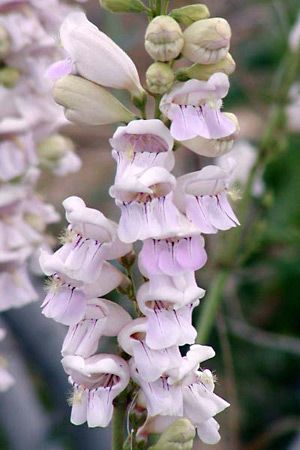
The genus is characterized by showy, tubular, and bilaterally symmetrical flowers that appear in a variety of colors, including white, yellow, blue, purple, and scarlet. A defining botanical feature of the genus is the presence of four fertile stamens and one sterile stamen, known as a staminode, which is why the plant is also commonly referred to as “beardtongue”.21
Why is the plant commonly called beardtongue?
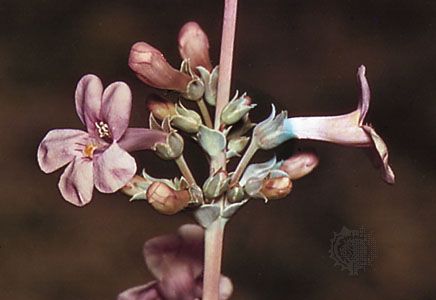
The plant is commonly called “beardtongue” because of its unique floral structure. While most flowers have fertile stamens that produce pollen, the genus Penstemon possesses four fertile stamens and one sterile stamen, known as a staminode.13
In many species, this sterile stamen is elongated and often covered in fine hairs, which gives it the appearance of a bearded tongue protruding from the flower. This distinctive feature serves as a key identifying characteristic for the genus.41
What pollinators are attracted to Penstemon flowers?
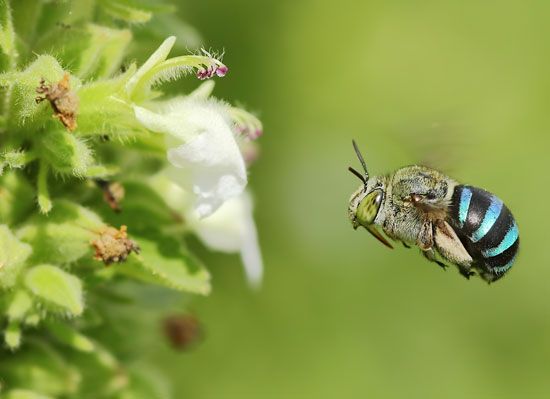
Penstemon flowers are primarily pollinated by bees and birds, particularly hummingbirds.74
The genus has evolved a variety of floral traits to attract these specific visitors:
- Bee Pollination: Many Penstemon species feature bright colors and tubular, bilaterally symmetrical shapes that are characteristic of bee-pollinated flowers. These flowers often provide a landing platform, allowing bees to access the interior where the stamens and pistil are located.71
- Bird Pollination: Species with scarlet or bright red, tubular flowers are frequently adapted for pollination by hummingbirds. These flowers typically lack a landing platform, as hummingbirds feed while hovering, and they often produce copious amounts of nectar to meet the high metabolic needs of these birds.84
The presence of the staminode—the sterile stamen—is a key feature of the genus, though its specific role in guiding these pollinators varies across the different species.91
How do these plants adapt to the climate of the western United States?
The genus Penstemon is exceptionally well-adapted to the diverse environments of the western United States, where it thrives across varying elevations and conditions. While the provided search results confirm their prevalence in this region, they do not explicitly detail the specific physiological mechanisms—such as drought tolerance or root structure—that allow these plants to survive the arid climates of the American West.112
Generally, plants in these regions, including those found in the Rocky Mountains, often adapt to harsh conditions like strong winds, limited water, and extreme temperature fluctuations through specialized growth habits, such as becoming low-growing or developing deep root systems to access moisture. Penstemon species are known for their resilience, often occupying niches ranging from high-altitude meadows to dry, rocky slopes.121
Sources
- penstemon — Encyclopædia Britannica
- penstemon — Merriam-Webster
- beardtongue — Merriam-Webster
- stamen — Encyclopædia Britannica
- pentstemon — Merriam-Webster
- blue beardtongue — Merriam-Webster
- pollination - Bees — Encyclopædia Britannica
- major types of pollinators - Beetles and flies — Encyclopædia Britannica
- major types of pollinators - Mammals — Encyclopædia Britannica
- orchid - Bird pollination — Encyclopædia Britannica
- pollination - Birds — Encyclopædia Britannica
- Rocky Mountains - Plant life — Encyclopædia Britannica
Published on · 2 min read