Pieris
The term pieris refers to two distinct biological classifications:
What is pieris?
The term pieris refers to two distinct biological classifications:
Botanical Genus
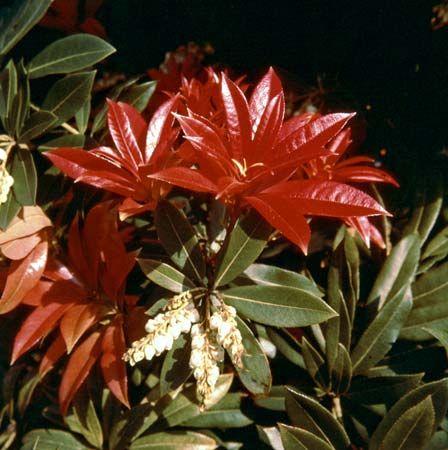
Pieris is a genus comprising approximately seven species of evergreen shrubs and small trees within the heath family (Ericaceae)1. Native to eastern Asia, eastern North America, and Cuba, these plants are often cultivated as ornamentals. Notable examples include the mountain fetterbush (P. floribunda) and the Japanese pieris (P. japonica). They are characterized by leathery leaves—often bright red when young—and urn-shaped flowers.1
Zoological Genus
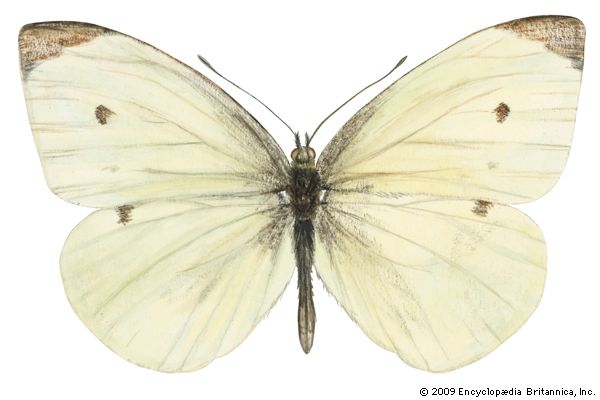
In entomology, Pieris is the type genus of the butterfly family Pieridae. This genus includes the European cabbage butterfly (Pieris rapae), a well-known white butterfly whose larvae are considered significant agricultural pests for cabbage and related crops.23
What are some other plants in the heath family?
The Ericaceae family, commonly known as the heath family, is a diverse group of approximately 4,000 species of flowering plants. Beyond the genus Pieris, the family includes many well-known ornamental plants and food crops.45
Major genera and notable plants within the family include:
- Rhododendron: A large genus containing about 1,000 species, including those formerly classified as azaleas.65
- Erica: The true heaths, consisting of nearly 800 species of evergreen shrubs.75
- Vaccinium: A genus of about 400 species that includes economically important plants such as blueberries and cranberries.45
- Gaultheria: A group of about 235 species, which now incorporates the former genus Pernettya.5
- Kalmia: Known for mountain laurel, these plants are noted for their unique “explosive” pollination mechanism.45
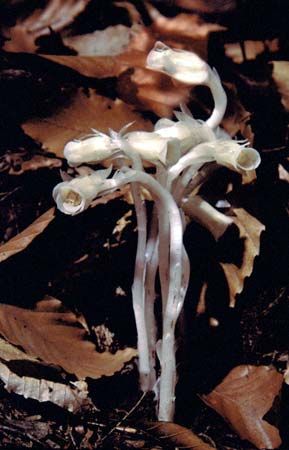
- Monotropa: Also known as Indian pipe, these are distinct for lacking chlorophyll and relying entirely on fungi for nutrients.5
- Leucopogon and Cavendishia: Significant genera containing approximately 230 and 155 species, respectively.5
How do cabbage butterflies affect vegetable gardens?
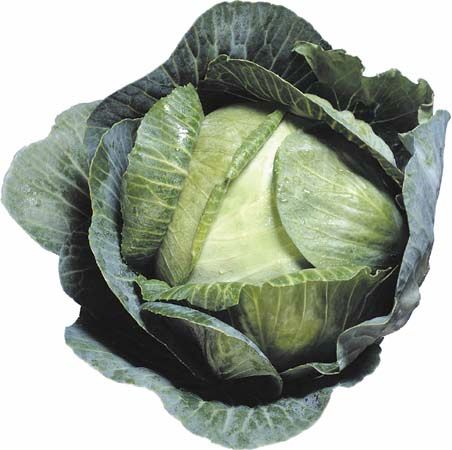
Cabbage butterflies, particularly the cabbage white (Pieris rapae), are considered significant agricultural pests that can cause substantial damage to vegetable gardens. Their impact is primarily driven by their larvae, commonly known as cabbage worms, which feed voraciously on cabbage and other related plants in the mustard family (Brassicaceae).89
In a garden setting, these larvae can locally decimate Brassica crops by consuming the leaves, which can stunt growth or destroy the plant entirely. While insecticides are the primary method used to control these populations, gardeners often face challenges because the insects have displayed increasing resistance to many common agrochemicals.8
What makes evergreen shrubs different from deciduous plants?
The primary distinction between evergreen and deciduous plants lies in their leaf-retention strategies and how they adapt to seasonal changes.
Evergreen Plants
Evergreens are defined by their ability to retain leaves throughout the year and into the following growing season. In cold climates, these plants often possess thick, leathery leaves protected by waxes and resins, which help prevent the leaf cells from freezing and fracturing during winter. Because they keep their foliage, they do not need to regrow an entire canopy each spring, though individual leaves may remain on the plant for two years or longer before falling.101112
Deciduous Plants
Deciduous plants undergo a controlled process of shedding their leaves at the end of every growing season. This is a vital survival mechanism:11
- Protection: Deciduous leaves are typically thin and susceptible to cold; if they remained on the plant, the water within their cells would freeze and expand, causing the cells to rupture.12
- Structural Integrity: Dropping leaves prevents the accumulation of heavy snow and reduces wind resistance, which could otherwise cause major breakage to the plant’s branches during winter storms.12
- Dormancy: By shedding leaves, the plant enters a state of dormancy, conserving energy until spring.12
Sources
- pieris — Encyclopædia Britannica
- Pieris — Merriam-Webster
- white butterfly — Encyclopædia Britannica
- Ericaceae — Encyclopædia Britannica
- heath — Encyclopædia Britannica
- azalea — Encyclopædia Britannica
- Ericales - Ericaceae — Encyclopædia Britannica
- cabbage white — Encyclopædia Britannica
- cabbage butterfly — Merriam-Webster
- evergreen — Encyclopædia Britannica
- Why Do Leaves Fall in Autumn? — Encyclopædia Britannica
- plant - Classification of angiosperms — Encyclopædia Britannica
- leaf — Encyclopædia Britannica
Published on · 3 min read