Philodendron
The provided information does not identify a single "largest" species of Philodendron. However, it highlights several notable large-growing varieties within…
What are some interesting facts about the largest species of philodendron?
The provided information does not identify a single “largest” species of Philodendron. However, it highlights several notable large-growing varieties within the genus Philodendron.
Among the larger types mentioned are:
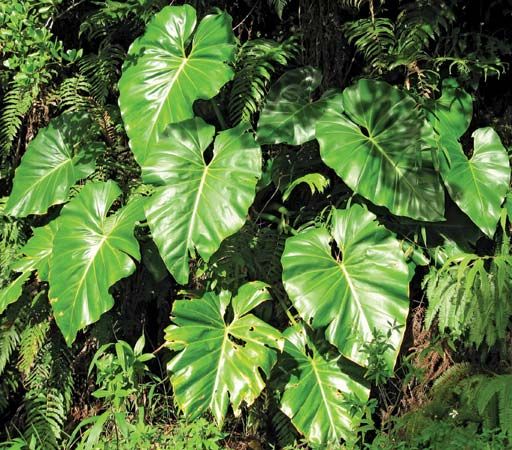
- Spade-leaf philodendron (P. domesticum): This species is noted for its striking triangular leaves, which can reach up to 60 cm (24 inches) in length.1
- Tree philodendron (P. bipinnatifidum): This plant is characterized by its deeply cut, large leaves that can grow up to 1 meter (3 feet) long. Both of these species are considered large and require significant indoor space for cultivation.1
Philodendrons are fascinating for their life strategy as secondary hemiepiphytes. Many begin as vines that climb tree trunks using modified roots, eventually transforming into epiphytes in the canopy. If they fall to the ground, they are resilient enough to begin their climb upward all over again.1
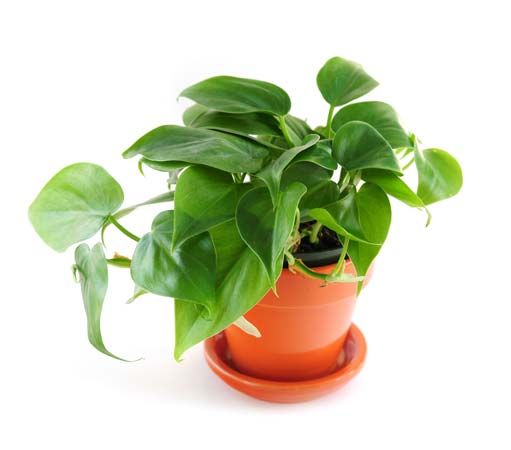
How many species of philodendron exist, and where are they native to?
There are approximately 450 species of philodendron, which are stout-stemmed climbing herbs belonging to the family Araceae.1
These plants are native to tropical America. Many species are well-adapted to the low-light conditions of rainforests, which has contributed to their popularity as potted plants for indoor environments.1
How have philodendrons been used traditionally by indigenous people?
Sorry, the Britannica knowledge base does not contain information regarding the traditional uses of philodendrons by indigenous peoples.
What are the main characteristics of philodendron plants?
Philodendrons are stout-stemmed climbing herbs in the Araceae family, characterized by their diverse foliage and unique growth strategies.1
Physical Characteristics
- Foliage: Leaves vary significantly in size, shape, and texture depending on the species and maturity. While typically green, they can also appear coppery, red, or purplish, with parallel veins that may be green, red, or white.1
- Fruit: The plant produces a berry that ranges in color from white to orange.1
- Growth Phases: Juvenile and adult plants often look so different that identifying specific species while they are small is extremely difficult.1
Life Strategy
Most philodendrons are secondary hemiepiphytes. They begin as vines that climb tree trunks using modified roots. Seedlings exhibit a unique behavior: rather than growing toward the Sun, they grow toward tree trunks. Once they reach the canopy, they often function as epiphytes, eventually severing their connection to the soil. These plants are highly adaptable; if they fall to the ground, they can simply begin climbing again.1
Sources
- philodendron — Encyclopædia Britannica
- houseplant - Foliage plants — Encyclopædia Britannica
Published on · 2 min read