Pentastomid
A pentastomid is any of approximately 100 species of tiny parasites classified within the subclass Pentastomida, which is now generally recognized as part of…
What is pentastomid?
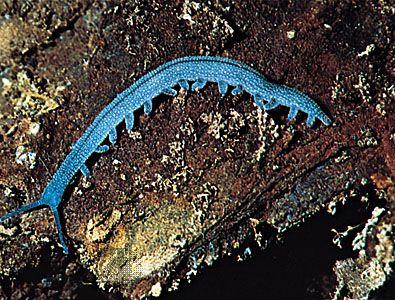
A pentastomid is any of approximately 100 species of tiny parasites classified within the subclass Pentastomida, which is now generally recognized as part of the phylum Arthropoda.1
These organisms typically range from a few millimeters to 14 centimeters (about 6 inches) in length and are notable for lacking respiratory, circulatory, and excretory organs. They reside within the respiratory systems of vertebrate hosts, most commonly infesting reptiles. While they are primarily found in tropical or subtropical environments, species that infect warm-blooded hosts can also inhabit colder regions.1
Common examples include Porocephalus, which parasitizes snakes and rodents, and Lingulata species, which can infest mammals such as dogs. Because a few species are capable of infesting humans, they are also of medical interest.1
How do pentastomids survive without respiratory or circulatory organs?
Pentastomids survive without respiratory, circulatory, or excretory organs primarily because they inhabit the respiratory systems of their vertebrate hosts.1
By living in these environments, they are able to absorb necessary nutrients and exchange gases directly through their body surfaces from the host’s tissues or fluids. This specialized, parasitic lifestyle eliminates the need for complex internal systems to transport oxygen or waste, as the host’s own biological processes provide a stable, nutrient-rich habitat that supports the parasite’s survival.1
What are the common symptoms of pentastomiasis in humans?
Why are reptiles the most frequent hosts for these parasites?
Reptiles are the most frequent hosts for pentastomids primarily due to the long-standing evolutionary relationship between these parasites and their hosts. While pentastomids can infest a variety of vertebrates, including mammals, their life cycles are most commonly associated with reptiles, particularly snakes.
This prevalence is linked to the ecological niches occupied by reptiles, which provide the specific environmental conditions necessary for the parasite’s development and transmission. Because pentastomids are parasites that reside within the respiratory systems of their hosts, the physiological environment of the reptilian respiratory tract is highly conducive to their survival and reproduction. While some species have adapted to homoiothermic (warm-blooded) hosts, the historical and biological alignment with reptilian hosts remains the most common pattern observed in these arthropods.1
Sources
- pentastomid — Encyclopædia Britannica
Published on · 2 min read