Parasitism
Parasites employ a variety of sophisticated mechanisms to locate and identify their hosts, primarily relying on chemical and visual cues.
How do parasites find and identify their hosts?
Parasites employ a variety of sophisticated mechanisms to locate and identify their hosts, primarily relying on chemical and visual cues.
Chemical and Sensory Detection
Many blood-feeding insects, such as mosquitoes and tsetse flies, use specialized receptors on their antennae or mouthparts to detect host-produced chemicals. Common attractants include:
- Carbon dioxide: Acts as a powerful activator and attractant for many bloodsucking species.1
- Body odors: Compounds like lactic acid from human sweat, as well as octenol and acetone from cattle breath, guide these insects toward their targets.1
- Feeding stimulants: Once an insect reaches a host, chemicals such as adenosine diphosphate (ADP) and adenosine triphosphate (ATP) released from red blood cells act as phagostimulants, triggering the parasite to feed.1
Behavioral and Evolutionary Strategies
Beyond direct chemical sensing, parasites have evolved diverse strategies to reach their hosts:
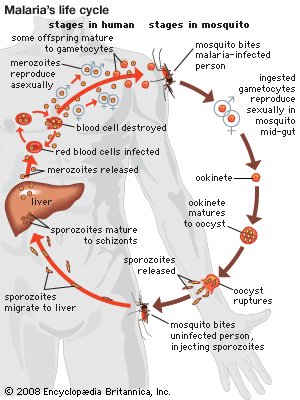
- Host Alternation: Many parasites, including certain nematodes and protozoa, alternate between different host species at various developmental stages, often utilizing vectors like biting flies to transfer between vertebrates.2
- Environmental Exploitation: Some parasites use external forces such as wind, water, or the movement of predators to bridge the gap between hosts. For example, rust fungi are carried by wind, while Schistosoma mansoni moves through water to reach human hosts.2
How do parasites adapt to their host organisms?
Parasites have evolved a wide array of specialized adaptations to survive and thrive within or upon their host organisms. These adaptations are essential for navigating the host’s internal environment, evading immune responses, and ensuring successful transmission.
Structural and Physiological Adaptations
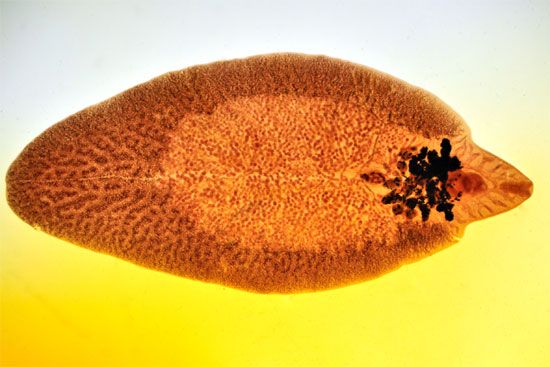
To maintain their position, many parasites have developed specialized attachment organs, such as the suckers and hooks found in tapeworms and flukes, which allow them to anchor securely to host tissues like the gut wall or gill arches. Internally, parasites must also adapt to the host’s unique biochemical and physiological conditions. For instance, some cestodes are triggered to mature sexually by the specific body temperature of their host, a mechanism that ensures they only reproduce when in the correct environment.5
Immune Evasion
A critical adaptation for many endoparasites is the ability to bypass the host’s immune system. Some trypanosomes achieve this through antigenic variation, where they periodically shed and replace their surface glycoprotein coats with new variants. This forces the host to constantly produce new antibodies, effectively staying one step ahead of the immune response.6
Evolutionary Strategies
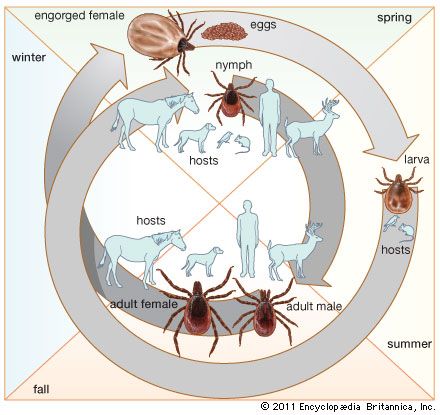
The relationship between a parasite and its host is often described as an evolutionary “arms race.” The degree of virulence in a parasite is frequently influenced by ecological factors such as host population density and transmission rates. When transmission is easy and host density is high, natural selection may favor increased virulence. Conversely, if transmission is difficult, parasites may evolve toward reduced antagonism to keep the host alive long enough for the parasite to spread. Furthermore, many parasites have evolved complex life cycles involving multiple hosts, which helps them exploit different environments and maximize their chances of survival and dispersal.785
How do parasites evolve and develop new strategies for survival?
Parasites evolve and develop survival strategies through a combination of coevolutionary pressures and genetic innovation. These processes allow them to adapt to the specific demands of their hosts and environments.
The Coevolutionary “Arms Race”
Parasites and their hosts are locked in an evolutionary “arms race” where natural selection drives changes in virulence based on ecological factors like host population density and transmission rates.6
- High Density/High Transmission: When hosts are abundant and transmission is easy, natural selection favors increased virulence. Parasites that multiply rapidly and infect new hosts before their current host dies are more successful, leading to the proliferation of highly virulent genotypes.6
- Low Density/Low Transmission: Conversely, if transmission is difficult, highly virulent forms that kill their host too quickly may die out. In these cases, natural selection favors less virulent forms that allow the host to survive longer, increasing the parasite’s window for transmission.6
Genetic Innovation and Adaptation
Beyond coevolution, parasites acquire new survival strategies through genetic variation:
- Horizontal Gene Transfer: This process allows for the transmission of DNA between different species. By acquiring foreign genes—such as those for metabolic enzymes—parasites can gain the ability to survive in new host environments.11
- Recombination: Through recombination, parasites shuffle genetic material, creating new variations that may be better suited to overcome host defenses.12
- Complex Life Cycles: Many parasites have evolved indirect life cycles requiring multiple hosts, such as using vectors like mosquitoes to bypass host barriers and ensure successful dispersal.1314
What is the difference between parasitism and other symbiotic relationships like mutualism and commensalism?
In biology, symbiosis refers to any long-term living arrangement between members of two different species. These relationships are categorized based on how the interaction affects the fitness of the participants:
- Parasitism: A relationship where one organism, the parasite, benefits at the expense of the host. The parasite typically obtains nutrients or shelter from the host, often causing it harm or altering its biological functions, such as reproduction or development.1516
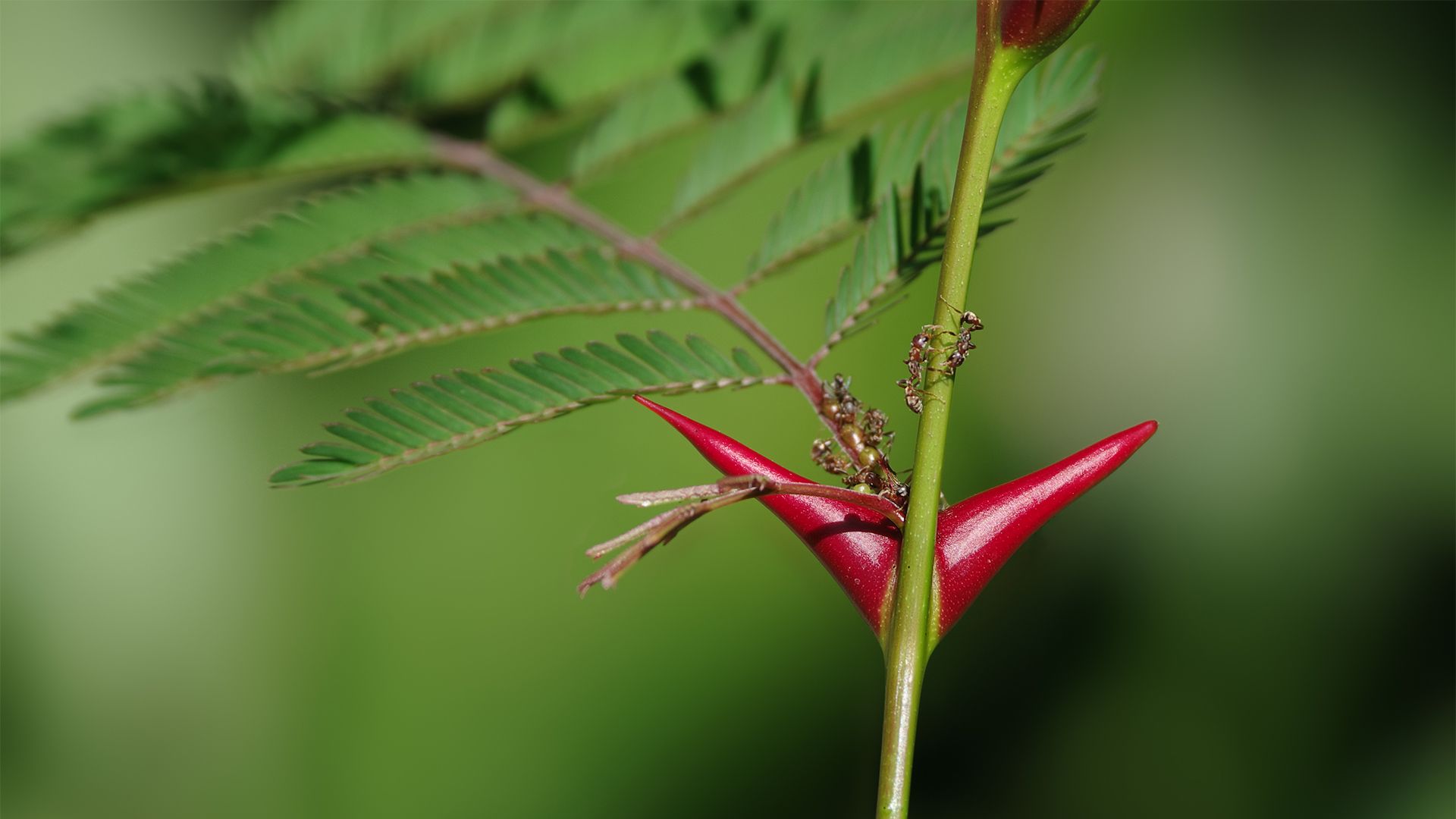
- Mutualism: An association where both species derive a benefit. These relationships are often essential for survival; for example, many plants rely on mycorrhizal fungi for nutrient uptake, and many animals depend on gut microorganisms to metabolize food. In some cases, this becomes an “obligative symbiosis,” where neither organism can survive without the other.17
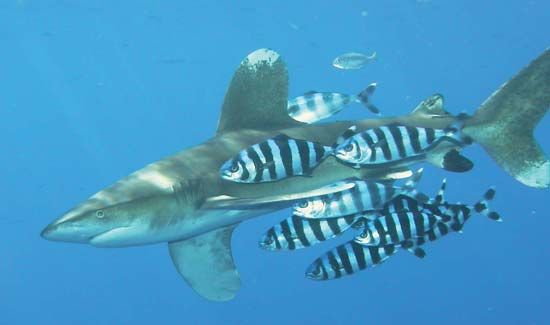
- Commensalism: A relationship where one species benefits while the other is neither helped nor harmed. For instance, remoras attach to sharks to obtain food scraps and transportation, while the shark remains unaffected.18
While these categories provide a framework, the lines can sometimes blur, as seen in endosymbiosis, where an organism lives inside another and the relationship may shift between mutualistic and parasitic depending on the environmental context or the specific strain of the symbiont.16
Sources
- Chemoreception - Blood-feeding insects — Encyclopædia Britannica
- community ecology - Alternation among hosts — Encyclopædia Britannica
- Chemoreception - Pheromones — Encyclopædia Britannica
- disease - Host-parasite relationships — Encyclopædia Britannica
- disease - Parasite specificity — Encyclopædia Britannica
- community ecology - Parasite - host interactions — Encyclopædia Britannica
- Protozoan - Evolution and paleontology — Encyclopædia Britannica
- flatworm - Ecology — Encyclopædia Britannica
- Protozoan - Protozoans and disease — Encyclopædia Britannica
- parasitism — Encyclopædia Britannica
- horizontal gene transfer — Encyclopædia Britannica
- parasitic disease - Parasite life cycles — Encyclopædia Britannica
- Protozoan - Parasitic protozoan life cycles — Encyclopædia Britannica
- Nucleic acid - Recombination — Encyclopædia Britannica
- commensalism — Encyclopædia Britannica
- symbiosis — Encyclopædia Britannica
- community ecology - The pervasiveness of mutualism — Encyclopædia Britannica
- Endosymbiosis — Encyclopædia Britannica
Published on · 5 min read