Horseshoe Crab: A Key Player in Ecology, Medicine, and More
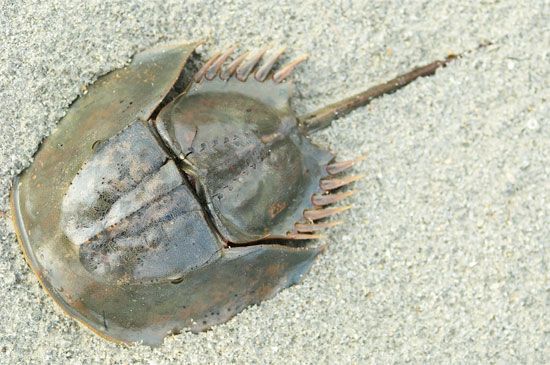
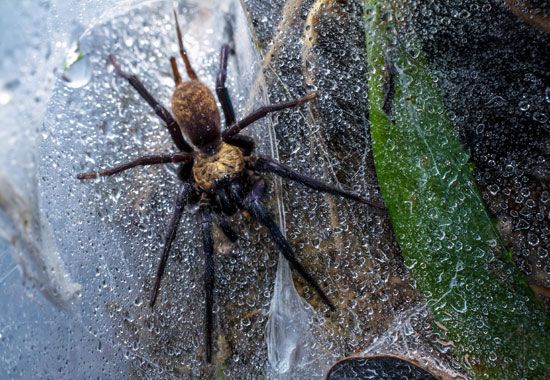
Despite their name, horseshoe crabs are not true crabs; they are marine arthropods more closely related to spiders and scorpions. Often called "living…
What is Horseshoe Crab: A Key Player in Ecology, Medicine, and More?
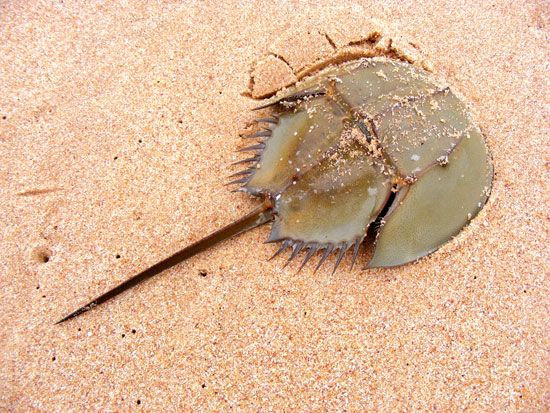
Despite their name, horseshoe crabs are not true crabs; they are marine arthropods more closely related to spiders and scorpions. Often called “living fossils,” their lineage dates back to the Ordovician Period.12
Ecological and Biomedical Importance
Horseshoe crabs are vital to coastal ecosystems. During spring and summer, they spawn on sandy beaches, where their eggs serve as a critical food source for various species, including the American red knot.12
In medicine, they are indispensable. Their blood contains coagulogen, a protein that clots in the presence of gram-negative bacteria. This discovery led to the Limulus amoebocyte lysate (LAL) test, which ensures the safety of medical injections and instruments.12
Conservation Challenges
Populations face significant threats from overfishing, habitat loss due to coastal development, and the biomedical bleeding process, which carries a mortality rate of nearly 30%. Protecting these animals is an ethical imperative to maintain ecological balance and public health.12
Why are horseshoe crabs more closely related to spiders than to actual crabs?
Horseshoe crabs are classified as chelicerates, a subphylum of arthropods that includes spiders, scorpions, and ticks, rather than crustaceans like true crabs.21
The distinction is based on fundamental anatomical differences:
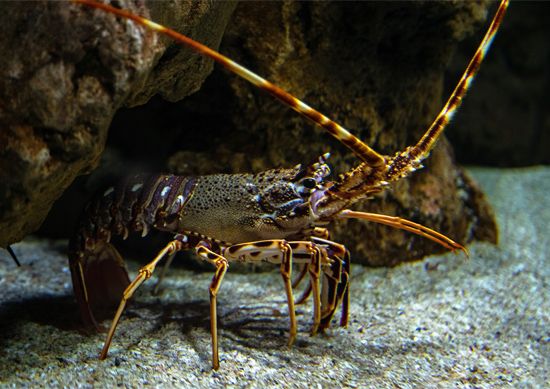
- Body Structure: Chelicerates, including horseshoe crabs and arachnids, have bodies divided into two main regions: the prosoma (cephalothorax) and the opisthosoma (abdomen). In contrast, crustaceans typically possess a head, thorax, and abdomen, often covered by a carapace.1
- Appendages: A defining characteristic of the subphylum Chelicerata is the absence of antennae. Instead, their first pair of appendages consists of chelicerae—specialized mouthparts used for seizing and tearing food. Crustaceans, by comparison, are characterized by having two pairs of antennae.12
- Evolutionary Lineage: Horseshoe crabs belong to the class Merostomata, which shares a common evolutionary history with the class Arachnida within the subphylum Chelicerata. While they share a phylum with crabs, they occupy a distinct evolutionary branch that diverged from the lineage leading to modern crustaceans.14
How do American red knots rely on horseshoe crab eggs for their migration?
The American red knot (Calidris canutus rufa) relies heavily on horseshoe crab eggs as a vital food source during its long-distance migration. As these birds travel from the southern tip of South America to their Arctic breeding grounds, they stop at estuaries along the Atlantic coast—most notably Delaware Bay—to forage exclusively for the eggs deposited by spawning horseshoe crabs.3
The availability of these eggs is a critical factor in the birds’ survival and reproductive success. Because the red knot’s population decline has historically mirrored the decrease in horseshoe crab numbers, researchers believe the birds’ fate is directly tied to their ability to locate and consume these nutrient-rich egg clusters. When horseshoe crab populations are disrupted by commercial fishing or habitat loss, the red knots face significant challenges in refueling for the remainder of their journey, which has contributed to a dramatic crash in their population since the late 1980s.3
What are some alternative methods scientists are developing to replace the use of horseshoe crab blood?
The provided search results do not contain information regarding specific alternative methods currently being developed to replace the use of horseshoe crab blood in the Limulus amoebocyte lysate (LAL) test. The available text focuses on the history, biology, and current biomedical application of the LAL test, as well as the conservation challenges faced by horseshoe crab populations due to harvesting and habitat loss.1
Sources
- horseshoe crab — Encyclopædia Britannica
- horseshoe crab — Merriam-Webster
- Horseshoe Crab: A Key Player in Ecology, Medicine, and More — Encyclopædia Britannica
- arthropod - Annotated classification — Encyclopædia Britannica
- arthropod - Critical appraisal — Encyclopædia Britannica
- Knot — Encyclopædia Britannica
Published on · 3 min read