Petrel
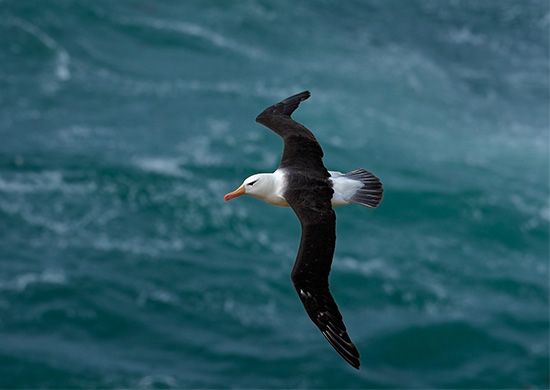
Petrels, which belong to the order Procellariiformes, are primarily found across the world's unfrozen oceans, though they are most abundant in the Southern…
Where are petrels typically found, and what types of habitats do they prefer?
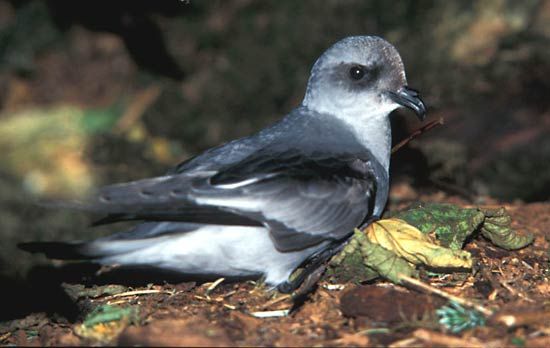
Petrels, which belong to the order Procellariiformes, are primarily found across the world’s unfrozen oceans, though they are most abundant in the Southern Hemisphere. While some species are highly migratory, crossing the Equator to follow seasonal food sources, others are more sedentary and remain in tropical, subtropical, or subantarctic latitudes.1
Regarding their preferred habitats, petrels are largely pelagic (open-ocean) birds that rely on marine environments for food, such as crustaceans and small fish. Their distribution is often dictated by wind patterns, as many species require wind to support their flight, and by the availability of food in upwelling zones.12
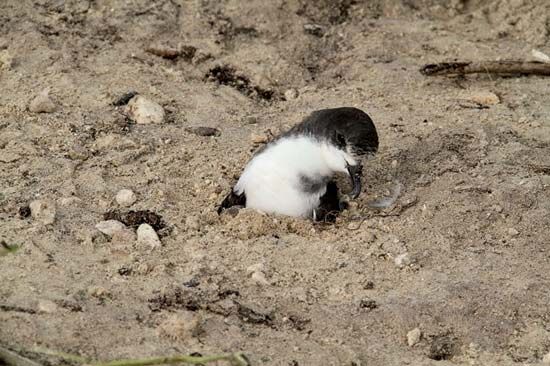
For nesting, petrels are colonial breeders that typically prefer islands and coastal areas. They often nest in burrows dug into soft soil or within rock crevices. While many species nest on islands, some larger petrels and shearwaters breed far inland on mountain crags. Certain species, such as the giant petrel and Wilson’s petrel, are even found breeding on the shores of the Antarctic continent.31
How do petrels feed, and what are their primary food sources?
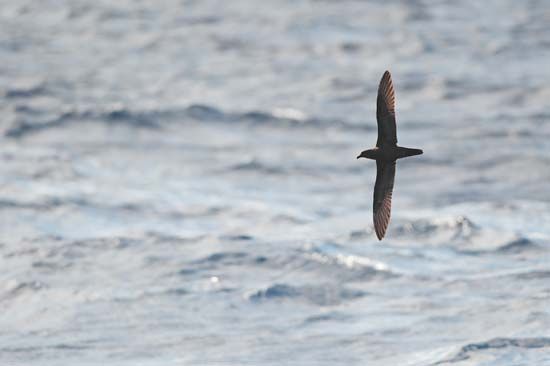
Petrels employ a variety of feeding strategies depending on their size and species, primarily focusing on marine resources found in the open ocean.
Feeding Methods
- Surface Feeding: Many larger procellariids, such as fulmars and giant petrels, are surface feeders. They often settle on the water to consume prey, diving very little.3
- Diving: Shearwaters, storm petrels, and diving petrels feed by capturing prey near the surface, occasionally making short dives to reach their targets.3
- Scavenging and Predation: These birds are opportunistic feeders. They consume garbage from ships, carrion—including the remains of whales and other cetaceans—and wounded or dead birds. The giant petrel is notably agile on land and may even attack young penguins at nesting grounds.3
Primary Food Sources
Their diet consists largely of:
- Marine Life: Small fish and crustaceans, such as shrimplike krill, which are abundant in upwelling zones.31
- Squid: A significant food source for many larger species, particularly those that feed at night when squid rise to the surface.3
What are some of the different species of petrels, and how do they differ?
Petrels are a diverse group of seabirds within the order Procellariiformes, characterized by their tubular nostrils and webbed feet. They are generally categorized into several distinct families and types, each with unique physical and behavioral traits:
Major Petrel Groups
- Procellariidae (Larger Petrels): This family includes a wide range of species.
- Gadfly Petrels (Pterodroma and Bulweria): Known for their fluttering flight, these birds typically nest in tropical and subtropical colonies. They are often difficult to distinguish due to their similar appearances.1
- Giant Petrels (Macronectes): These are the largest members of the family, acting as albatross-like scavengers with a wingspan of up to 2.4 meters (8 feet). They are uniquely agile on land and can prey on other birds.412
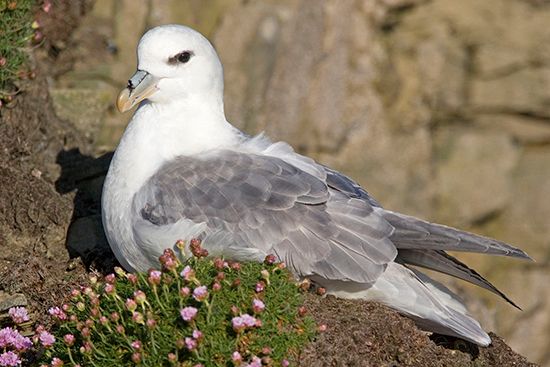
- Fulmars: Heavy-bodied petrels that are primarily surface feeders.12
- Prions: Small, stocky “whalebirds” with broad bills, restricted to cold-water ranges in the Southern Hemisphere.4
- Hydrobatidae (Storm Petrels): These are the smallest procellariiforms, ranging from 13 to 25 cm. They are named for their habit of “walking” on the water’s surface while foraging. They are divided into two groups: southern species (long-legged, square-tailed) and northern species (longer wings, forked or wedge-shaped tails).45
- Pelecanoididae (Diving Petrels): These small, sedentary birds exhibit convergent evolution with the Northern Hemisphere’s auks. Unlike other petrels, they are short-winged and use their wings to propel themselves underwater.46
What is unique about the petrel’s breeding habits and nesting sites?
Petrels exhibit several unique breeding and nesting behaviors, largely shaped by their need to avoid predators and their reliance on the open ocean.
Nesting Sites and Strategies
- Colonial Burrowing: Many petrels are colonial breeders, nesting in burrows they excavate in soft soil or within natural rock crevices. These sites are often located on remote islands or, in the case of some shearwaters and larger petrels, far inland on mountain crags.128
- Nocturnal Activity: To minimize exposure to predators, many burrowing species are strictly nocturnal when on land. They arrive and depart from their colonies under the cover of darkness, relying on voice, touch, and smell rather than sight to recognize their mates.12
- Site Fidelity: Pairs are typically monogamous and return to the same nest site annually, often maintaining these partnerships for life.2
Unique Reproductive Cycle
- Parental Desertion: A distinctive feature of their development is that parents desert their chicks a week or more before the young are fully fledged. The chicks, which are often heavier than adults due to fat reserves, undergo a “starvation period” to thin down and exercise their wings before their first flight.12
- Independent Migration: Once the fledgling leaves the nest, it sets off on its migration alone, guided by innate instinct rather than by its parents.2
Sources
- Procellariiform - Distribution — Encyclopædia Britannica
- Storm petrel — Encyclopædia Britannica
- Procellariiform - Feeding habits — Encyclopædia Britannica
- Procellariiform — Encyclopædia Britannica
- Diving petrel — Encyclopædia Britannica
- giant petrel — Merriam-Webster
- Petrel — Encyclopædia Britannica
- Procellariiform - Reproduction and growth — Encyclopædia Britannica
Published on · 4 min read