Petunia
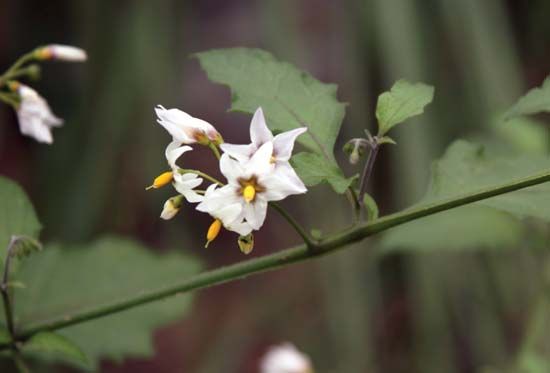
Petunia is a genus of approximately 35 species of flowering plants within the Solanaceae family, native to South America.
What are the key characteristics of petunia plants?
Petunia is a genus of approximately 35 species of flowering plants within the Solanaceae family, native to South America.1
Key characteristics include:
- Growth Habit: Primarily annual herbs, though they are technically perennial. They thrive in temperate climates and require full sun.1
- Foliage: The leaves are sessile (lacking a stem), typically oval-shaped with smooth margins, and sometimes covered in fine, sticky hairs.1
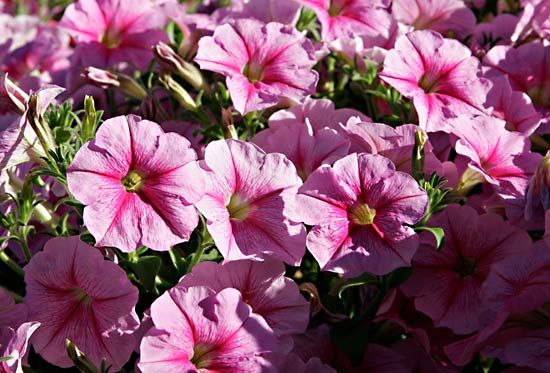
- Flowers: Known for showy, funnel-shaped blooms consisting of five fused or partially fused petals. They appear in colors ranging from white to deep crimson or purple, often featuring veins or speckles.1
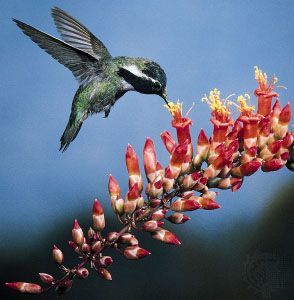
- Pollination: Most species are insect-pollinated, though some are pollinated by hummingbirds.1
- Varieties: Horticultural types include compact, erect plants for garden beds and sprawling, long-stemmed varieties suitable for hanging baskets.1
Where do petunias originally come from, and how were they introduced to different parts of the world?
Petunias are native to South America, where they belong to the Solanaceae family, a group that also includes tobacco. The name “petunia” is derived from the Tupi word peti-ma, meaning “tobacco,” reflecting the botanical relationship between the two plants.123
While the provided information confirms their South American origins and their classification as a genus of tropical herbs, the available data does not detail the specific historical timeline or methods by which these plants were introduced to other parts of the world. We know that they were first documented in Western records around 1825, but the specific mechanisms of their global dispersal remain outside the scope of the current knowledge base.12
What are the main types or varieties of petunias available for gardening?
Horticultural varieties of the common garden petunia (Petunia ×atkinsiana) are generally categorized into two primary types based on their growth habit and intended use:1
- Compact Erect Type: These plants typically reach heights of 15–25 cm (6–10 inches). Their sturdy, upright structure makes them well-suited for summer garden beds.1
- Sprawling Balcony Petunia: These varieties feature long stems that can grow to approximately 46 cm (18 inches). Due to their trailing nature, they are frequently used in hanging baskets and window boxes.1
Beyond these structural categories, petunias are also classified by their floral characteristics, including both single- and double-bloom varieties. These flowers appear in a wide spectrum of colors—ranging from pure white to deep crimson or purple—and are often enhanced by contrasting veins or speckles.1
While the common garden petunia is the most widely recognized, it is worth noting that molecular research has led to the reclassification of some former species into the related genus Calibrachoa, which includes the popular ornamental known as “million bells.”1
What are some popular petunia hybrids and their unique features?
The common garden petunia, scientifically known as Petunia ×atkinsiana, is a popular hybrid developed for its showy, trumpet-shaped flowers. While there are many horticultural varieties, they are primarily categorized by their growth habits rather than specific named hybrid lines in general botanical records:1
- Compact Erect Type: These varieties grow to a height of 15–25 cm (6–10 inches). They are specifically bred for their sturdy, upright structure, making them ideal for traditional summer garden beds.1
- Sprawling Balcony Petunia: These hybrids feature long stems that reach approximately 46 cm (18 inches). Their trailing growth habit makes them a preferred choice for hanging baskets and window boxes.1
In addition to these structural forms, breeders have developed both single- and double-bloom varieties that display a wide range of colors, including white, crimson, and purple, often featuring unique contrasting veins or speckles. Furthermore, molecular research has reclassified some plants previously considered petunias into the related genus Calibrachoa, which includes the popular “million bells” (C. ×hybrida), known for its prolific blooming habit.1
Sources
- Petunia — Encyclopædia Britannica
- Flower Etymologies For Your Spring Garden | Petunia — Merriam-Webster
- petunia — Merriam-Webster
- petunia violet — Merriam-Webster
Published on · 3 min read