Zinnia
Most popular garden zinnias are derived from the species Zinnia elegans (also known as Z. violacea). These varieties are prized for their showy, long-lasting…
What are the most popular varieties of zinnias for gardening?
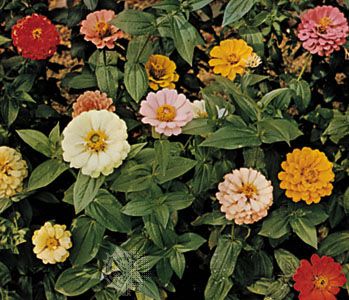
Most popular garden zinnias are derived from the species Zinnia elegans (also known as Z. violacea). These varieties are prized for their showy, long-lasting flowers that thrive in full sun and tolerate drought conditions.1
Gardeners typically choose from a wide range of sizes and forms:
- Dwarf Varieties: These compact plants grow less than 0.3 meters (1 foot) tall and produce smaller flowers, roughly 2.5 cm (1 inch) in diameter.1
- Giant Forms: These can reach up to 1 meter in height and feature impressive, large flower heads measuring up to 15 cm (6 inches) across.1
While Z. elegans dominates the garden market, another notable species is Z. angustifolia, which is recognized for its smaller yellow or orange blossoms and a height of approximately 0.5 meters. Zinnias are available in nearly every color except blue, making them a versatile choice for many landscapes.1
How many species of zinnia exist, and where are they native to?
The genus Zinnia consists of approximately 22 species of herbs and shrubs within the Asteraceae family.1
These plants are native primarily to North America, with a range extending from the southern United States down to Chile. They are particularly abundant in Mexico and are considered tropical American plants. While they are perennial in their native habitats, they are typically grown as annuals in other regions.12
How do zinnia plants compare to other popular garden flowers in terms of care and appearance?
Zinnias and other popular garden flowers, such as petunias, offer distinct aesthetic and maintenance profiles for gardeners.
Appearance
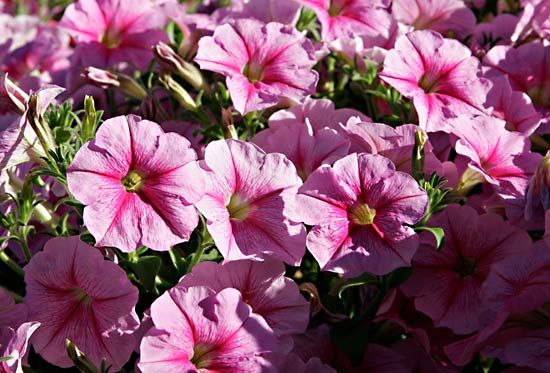
Zinnias are characterized by their stiff, hairy stems and solitary flower heads that come in a vast array of colors, excluding blue. They range from compact dwarf varieties under 0.3 meters to giant forms reaching 1 meter in height. In contrast, petunias are known for their funnel-shaped, trumpet-like blooms that often feature speckled or veined patterns in colors ranging from white to deep crimson or purple. While zinnias can sometimes appear coarse or ungainly in their growth habit, their showy, long-lasting flowers make them a staple for summer beds.13
Care and Resilience
Zinnias are exceptionally hardy, standing out for their ability to thrive in full sun and withstand drought and neglect better than many other garden plants. They flower freely and consistently throughout the season. Petunias, while also popular for summer beds and window boxes, require specific conditions to bloom profusely until frost and generally do not tolerate shade.13
What are the key characteristics of zinnia plants?
Zinnia plants are a genus of approximately 22 species of herbs and shrubs belonging to the Asteraceae family. Native primarily to North America, they are perennial in their natural range—extending from the southern United States to Chile—but are typically grown as annuals in other climates.1
Key characteristics include:
- Physical Structure: They feature stiff, hairy stems with oval or lance-shaped leaves that are arranged opposite one another and often clasp the stem.1
- Flowers: The solitary flower heads are borne at the ends of branches. They bloom in a wide variety of colors, though blue is notably absent.1
- Diversity: Garden varieties, largely derived from Zinnia elegans, vary significantly in size. They range from compact dwarf plants under 0.3 meters tall to giant forms reaching 1 meter in height with large, 15-centimeter blooms.1
- Resilience: While some varieties may appear coarse or ungainly, they are highly valued for their ability to thrive in full sun and endure drought and neglect better than most garden plants.1
Sources
- Zinnia — Encyclopædia Britannica
- zinnia — Merriam-Webster
- creeping zinnia — Merriam-Webster
- Petunia — Encyclopædia Britannica
Published on · 3 min read