Are Green Potatoes Dangerous to Eat?
Yes, green potatoes can be dangerous to eat and should be handled with caution. While the green color itself is caused by harmless chlorophyll, its presence…
Are Green Potatoes Dangerous to Eat?
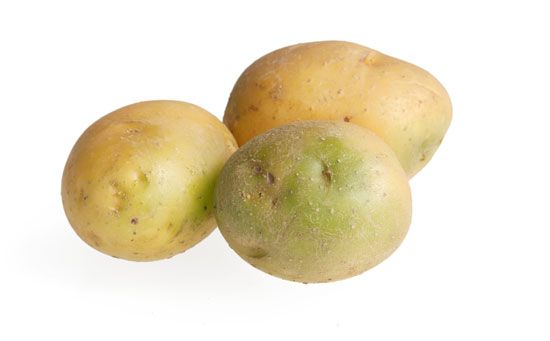
Yes, green potatoes can be dangerous to eat and should be handled with caution. While the green color itself is caused by harmless chlorophyll, its presence signals that the potato has increased its production of solanine, a toxic neurotoxin found in the Solanaceae family.1
Solanine is not destroyed by cooking. Ingesting it can lead to symptoms such as nausea and headaches, and in sufficient quantities, it may cause serious neurological issues or even death. Because children are more susceptible to poisoning due to their smaller body size, green potatoes should never be served to them.1
To ensure safety, you should remove all green parts entirely before consumption. If you are ever in doubt about the safety of a potato, it is best to discard it or plant it in your garden. To prevent this issue, store your potatoes in a cool, dark place to avoid triggering the production of chlorophyll and solanine.1
What other plants belong to the Solanaceae family?
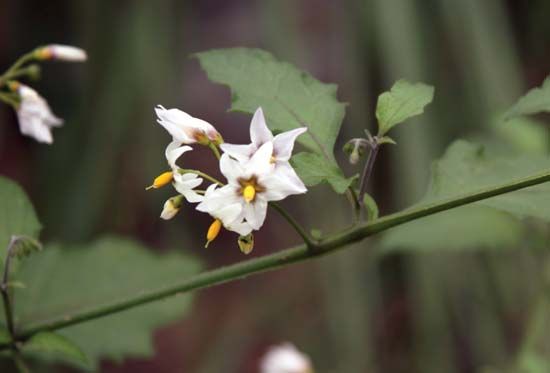
The Solanaceae family, commonly known as the nightshade or potato family, is a diverse group comprising more than 100 genera and approximately 2,280 species. While many members are known for their economic importance as food crops, others are valued as ornamentals or recognized for their potent medicinal and toxic properties.234
Common Food Crops
Several staples of the human diet belong to this family, primarily within the genus Solanum and the genus Capsicum:24
- Potatoes (Solanum tuberosum)24
- Tomatoes (Solanum lycopersicum)24
- Eggplants (Solanum melongena)24
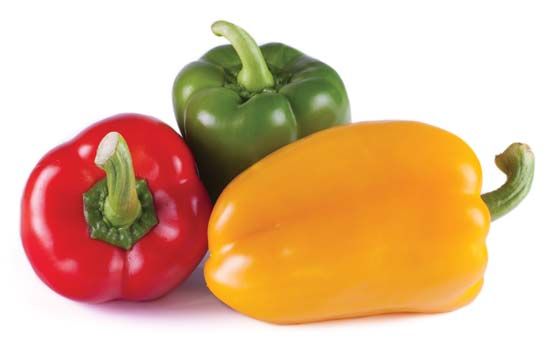
- Peppers (genus Capsicum), including bell peppers, chili peppers, cayenne, tabasco, and pimiento24
- Tomatillos (Physalis philadelphica) and ground cherries (Physalis genus)23
Ornamental and Medicinal Plants
The family also includes various plants grown for their aesthetic appeal or utilized for their chemical compounds:34
- Ornamentals: Petunias, angel’s trumpets (Brugmansia), and various species of Cestrum and Solandra.234
- Medicinal and Toxic Plants: Tobacco (Nicotiana), belladonna, jimsonweed, henbane, mandrake, and ashwagandha.234
Many of these plants contain toxic alkaloids, which have historically linked certain species to both medicinal use and dangerous poisoning.234
How should potatoes be stored to prevent them from turning green?
To prevent potatoes from turning green, they should be stored in a cool, dark area.1
Potatoes produce chlorophyll and the toxic neurotoxin solanine when they are exposed to light and warmth, as these conditions signal to the tubers that they are in a suitable environment to begin sprouting. By keeping them away from light and heat, you inhibit this biological response and maintain the safety of the potatoes. If you find that your potatoes have already turned green, it is important to remove all green parts entirely before consumption, or discard them if you are in doubt.1
What are some other common food toxins found in nature?
Nature provides a variety of substances that can be toxic to humans when ingested. These natural food toxins are often categorized by their biological origin or the specific chemical compounds they contain.67
Plant-Based Toxins
Many plants contain naturally occurring chemical defenses that can be harmful or fatal if consumed:7
- Alkaloids: These nitrogen-containing compounds are found in many species. For example, solanine is a toxic alkaloid present in potatoes and tomatoes, particularly when they are green or damaged. Other potent alkaloids include atropine found in belladonna and jimsonweed, and coniine in poison hemlock.897
- Cyanogenic Glycosides: Found in plants like cassava, these compounds are cyanogenic, meaning they can release hydrogen cyanide during digestion.710
- Toxalbumins: These highly toxic protein molecules include ricin, found in castor beans, and abrin, found in the rosary pea.7
- Other Plant Toxins: Certain common foods can be dangerous if not prepared correctly, such as rhubarb greens, fava beans, and akee nuts.67
Fungal and Animal Toxins
- Mycotoxins: These are toxic metabolites produced by molds that can contaminate crops like corn, wheat, and rice. Aflatoxins, produced by Aspergillus fungi, are particularly dangerous as they are potent carcinogens.4
- Mushroom Poisons: Distinct from mycotoxins, these are produced by large fungi and can cause severe illness or death.64
- Marine Toxins: Certain shellfish and various fish species can accumulate toxins that cause food poisoning in humans.6
Sources
- Are Green Potatoes Dangerous to Eat? — Encyclopædia Britannica
- list of plants in the family Solanaceae — Encyclopædia Britannica
- Solanales - Family characteristics — Encyclopædia Britannica
- Solanales - Solanaceae — Encyclopædia Britannica
- Solanaceae — Encyclopædia Britannica
- food poisoning — Encyclopædia Britannica
- mycotoxin — Encyclopædia Britannica
- poison - Plant poisons (phytotoxins) — Encyclopædia Britannica
- solanine — Merriam-Webster
- cyanogenic — Merriam-Webster
Published on · 3 min read