Pili Nut
The pili nut (Canarium ovatum) is a tropical seed native to the Philippines. While the tree produces a drupe fruit containing a hard, triangular pit, the…
How are pili nuts harvested and processed?
The pili nut (Canarium ovatum) is a tropical seed native to the Philippines. While the tree produces a drupe fruit containing a hard, triangular pit, the process for extracting the edible seed is relatively straightforward.1
To harvest and process the nuts:
- Extraction: The hard, thick-shelled pit, which houses the single seed, is removed from the surrounding edible pulp by dipping the fruit in hot water.1
- Preparation: Once extracted, the nuts are typically cooked to ensure they are easily digestible, as raw nuts can act as a laxative.1
- Usage: The resulting nuts are often roasted or powdered for use in confections and chocolate products, or their oil is extracted for culinary applications.1
What are the characteristics of the pili nut tree?
The pili nut tree (Canarium ovatum) is a tropical plant belonging to the Burseraceae family, native to the Philippines. It is characterized by its dense foliage and can reach heights of up to 20 meters (65 feet).1
Key characteristics of the tree and its fruit include:
- Yield: A single tree is capable of producing up to 32 kilograms (70 pounds) of nuts annually.1
- Fruit Structure: The tree produces a drupe fruit that measures approximately 6–7 centimeters (2–3 inches) in length.1
- The Pit: Within the fruit is a hard, thick-shelled, triangular pit that contains a single seed. This pit is surrounded by a small amount of edible pulp.1
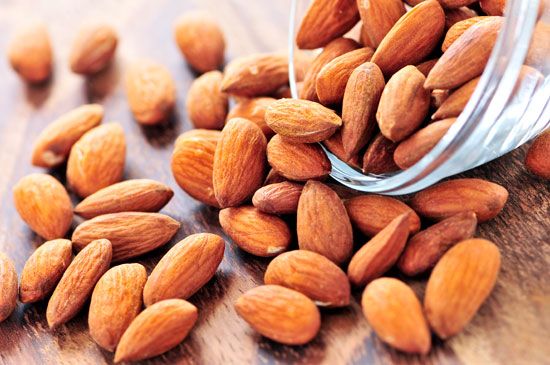
- Botanical Classification: Despite the name, the pili nut is not a true botanical nut; it is often compared to the almond in terms of both its taste and shape.1
What are the nutritional benefits of pili nuts?
Pili nuts are a nutrient-dense food source, traditionally valued in the Philippines as a significant dietary staple. Their primary nutritional contributions include:
- Healthy Fats: They serve as a major source of fat in the diet, providing energy and essential lipids.1
- Protein: The seeds are a notable source of protein, which is vital for bodily maintenance and growth.1
It is important to note that while these nuts are highly nutritious when prepared correctly, they must be cooked before consumption. Uncooked pili nuts act as a laxative, whereas cooking them makes the seeds easily digestible. Beyond their direct nutritional value, their oil is frequently utilized in the production of various confectionaries.1
How long does it take for a pili nut tree to mature and produce nuts?
Sorry, the Britannica knowledge base does not contain information regarding the specific maturation time required for a pili nut tree to begin producing nuts. While the tree is known for its annual yield of up to 32 kilograms of fruit, the duration from planting to the first harvest is not specified in the provided records.
Sources
- pili nut — Encyclopædia Britannica
- nutmeg: Top Questions — Encyclopædia Britannica
Published on · 2 min read